

Why upgrade to eco-friendly HVAC for better efficiency
TL;DR:
- Many homeowners and business owners in Suffolk, Norfolk, and Essex mistakenly believe that eco-friendly HVAC systems are merely marketing labels on standard equipment.
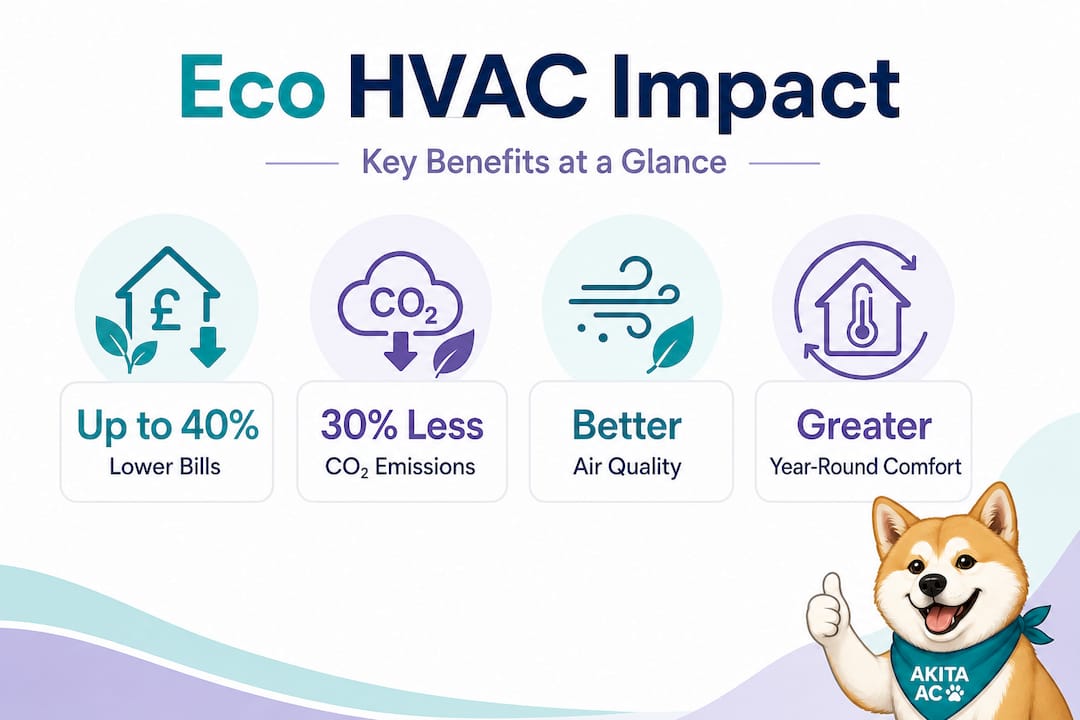
- Properly specified and installed eco-friendly systems reduce energy consumption, lower costs, and minimize environmental impact significantly.
- Ensuring correct sizing, insulation, and choosing advanced technologies like heat pumps and low-GWP refrigerants are essential for optimal performance and savings.
Many homeowners and business owners in Suffolk, Norfolk, and Essex still believe that “eco-friendly HVAC” is little more than a marketing label slapped onto otherwise ordinary heating and cooling equipment. It is a widespread misconception, and it costs people real money every winter and summer. Modern eco-friendly systems, when correctly specified and installed, deliver measurable reductions in energy consumption, lower running costs, and a genuinely smaller carbon footprint. This article cuts through the noise, explains what actually makes a system eco-friendly, and gives you practical guidance on how to upgrade your property confidently and cost-effectively.
Table of Contents
- What makes an HVAC system eco-friendly
- Key benefits of eco-friendly HVAC systems
- Common pitfalls and crucial nuances for UK properties
- Practical steps for upgrading to eco-friendly HVAC
- Why the conventional approach often falls short in Suffolk, Norfolk, and Essex
- Explore eco-friendly air conditioning solutions with Akita AC
- Frequently asked questions
Key Takeaways
| Point | Details |
|---|---|
| Installation matters most | Efficiency and savings rely on expert installation and correct sizing, not just system choice. |
| Insulation first | Upgrading insulation is often more important than the system itself for maximising eco-friendly HVAC benefits. |
| Long-term ROI | Though upfront costs can be high, most owners recoup investment through energy savings and government incentives. |
| Holistic upgrades | For UK homes and businesses, blending modern technology, insulation, and maintenance yields the best outcomes. |
| Local expertise | Choosing a trusted regional provider ensures solutions are tailored to Suffolk, Norfolk, and Essex property needs. |
What makes an HVAC system eco-friendly
The term “eco-friendly HVAC” covers a specific set of technologies and design principles, not just a green logo on a brochure. At its core, an eco-friendly system does three things: it uses energy more efficiently than a conventional unit, it minimises harmful emissions, and it operates on refrigerants with a lower environmental impact.
Here is what separates a genuinely efficient system from a standard one:
- Inverter-driven compressors: Unlike fixed-speed compressors that switch fully on or off, inverter units modulate their output continuously. This means they consume only the energy needed at any given moment, avoiding the wasteful power spikes of traditional systems.
- Heat pump technology: Heat pumps move thermal energy rather than generate it, making them far more efficient than conventional electric heaters or older gas boilers.
- Low-GWP refrigerants: GWP stands for global warming potential. Older refrigerants like R-22 had extremely high GWP values. Modern alternatives such as R-32 or R-454B have significantly lower environmental impact. Advanced cycles with low-GWP blends and waste-heat recovery improve energy, exergy, economic, and environmental performance, though they do add modest upfront cost.
- Waste-heat recovery: Some commercial systems capture heat that would otherwise be expelled and redirect it to warm water or other building zones, squeezing more value from every unit of energy consumed.
- Smart controls and advanced thermostats: Programmable and learning thermostats reduce unnecessary runtime by matching system output to actual occupancy patterns.
Proper system sizing is just as important as the technology itself. An oversized unit short-cycles (switches on and off too frequently), wasting energy and wearing out components prematurely. An undersized unit runs constantly and never quite reaches the desired temperature. Reviewing energy efficient HVAC options for UK homes is a good starting point when comparing technologies for your specific property type.
Pro Tip: Before committing to any system, ask your installer to carry out a formal heat loss calculation for your property. This single step prevents the vast majority of sizing mistakes.
Key benefits of eco-friendly HVAC systems
Once you understand what makes a system eco-friendly, the real question is what advantages these systems actually deliver for properties in Suffolk, Norfolk, and Essex.
Energy bill reductions
The most immediate and tangible benefit is lower running costs. Modern heat pumps and inverter-driven air conditioning units consistently outperform conventional systems on efficiency. The table below illustrates typical annual running cost comparisons for a mid-sized UK home:
| System type | Estimated annual energy cost | Seasonal efficiency rating |
|---|---|---|
| Conventional electric heating | £1,800 to £2,400 | Low (100% efficiency) |
| Gas boiler (modern condensing) | £900 to £1,400 | Medium (up to 94% efficiency) |
| Air source heat pump | £600 to £1,000 | High (250 to 400% efficiency) |
| Inverter split air conditioning | £300 to £700 (cooling only) | Very high (SCOP 4.0 to 5.5) |
These figures vary based on property size, insulation levels, and usage patterns, but the directional difference is consistent. Understanding how HVAC systems shape energy savings is important when evaluating the true cost of ownership over a ten to fifteen year lifespan.
Reduced carbon footprint
For properties across Suffolk, Norfolk, and Essex, reducing carbon output is becoming increasingly relevant, both for environmental responsibility and for compliance with evolving building regulations. Modern eco-friendly systems paired with renewable electricity produce a fraction of the emissions of fossil fuel equivalents.
Long-term return on investment
“Upfront costs are undeniably higher, but ROI via savings and rebates is real, though poorly insulated homes may not benefit without upgrades first.”
Government schemes such as the Boiler Upgrade Scheme have provided grants of up to £7,500 for eligible heat pump installations. When you factor in reduced energy bills over a ten-year period, the payback calculation often looks far more attractive than many homeowners initially expect.
Enhanced indoor comfort and air quality
Eco-friendly HVAC systems, particularly modern split and multi-split units, maintain more consistent indoor temperatures than older on/off systems. Many models also include built-in filtration that removes airborne particles, pollen, and dust, which is genuinely valuable for allergy sufferers. The case for energy efficient cooling goes well beyond the energy bill.
Suitability for modern building standards
New builds and properties undergoing significant renovation in the UK are increasingly required to meet higher energy performance standards. Installing eco-friendly HVAC now positions your property ahead of incoming requirements rather than scrambling to retrofit later. Exploring HVAC retrofitting options can help you plan a phased upgrade if a full replacement is not yet feasible.
Common pitfalls and crucial nuances for UK properties
After exploring the benefits, it is vital to highlight the risks and nuances unique to UK property upgrades. Eco-friendly HVAC is not a plug-and-play solution. Without the right preparation, even the most advanced system will underperform.
The insulation problem
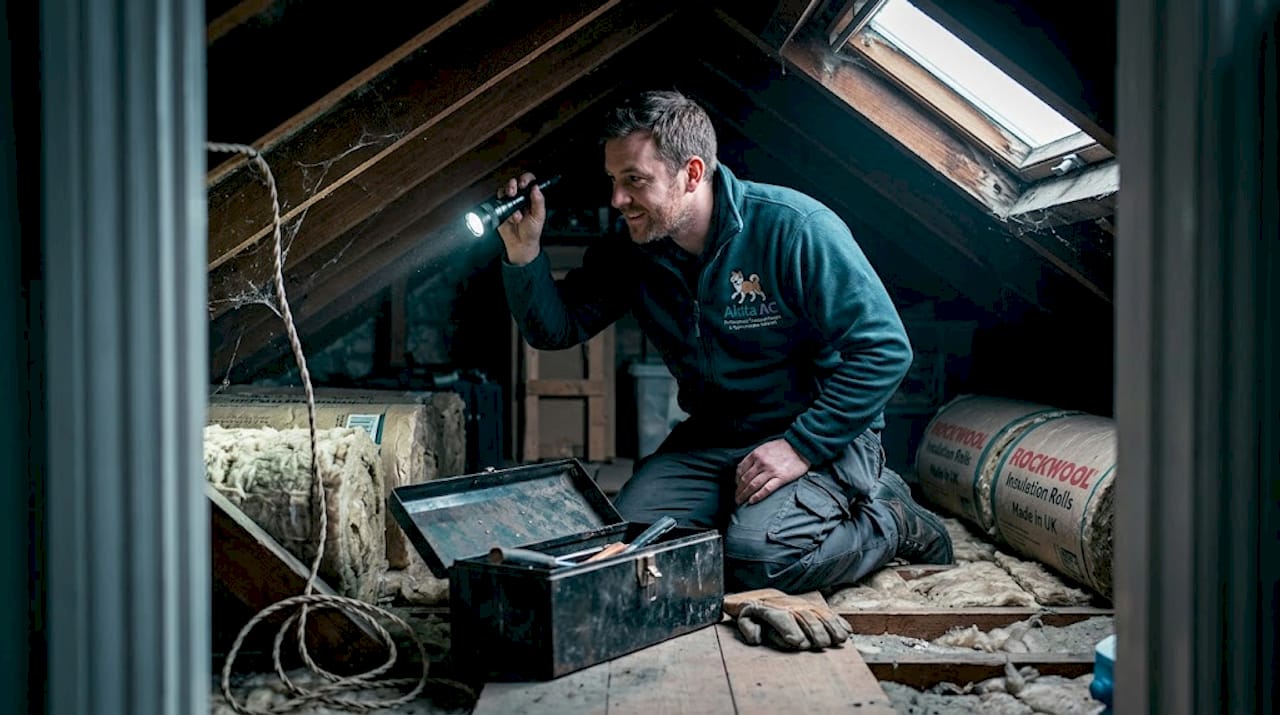
This is the single biggest issue in the region. Many properties across Suffolk, Norfolk, and Essex are period buildings with solid walls, single-glazed windows, or inadequate loft insulation. A heat pump installed in a poorly insulated property will work much harder than it should, driving up electricity consumption and erasing any efficiency gains. Performance depends heavily on insulation quality, proper sizing, and achieving low flow temperatures through good system design.
Sizing matters enormously
Here is a comparison of what happens when sizing is handled correctly versus incorrectly:
| Factor | Professionally sized system | Incorrectly sized system |
|---|---|---|
| Runtime efficiency | Optimised, steady operation | Short-cycling or constant running |
| Energy bills | Predictably lower | Higher than expected |
| Lifespan | Longer, less wear | Shorter, more breakdowns |
| Indoor comfort | Consistent temperatures | Fluctuating, drafts, or cold spots |
| Maintenance frequency | Standard intervals | More frequent callouts |
Getting correct HVAC system sizing right from the outset is non-negotiable if you want the system to deliver its rated efficiency.
Avoiding the most common upgrade mistakes
Follow these steps to steer clear of the errors that catch many property owners out:
- Audit your insulation first. Before specifying any new system, understand your property’s current heat loss profile. A draught-proofed, well-insulated building will get far more from an eco-friendly system.
- Insist on a formal load calculation. Any reputable installer should perform this before recommending equipment. If they skip this step, treat it as a red flag.
- Check installer qualifications. For heat pumps, installers should hold MCS (Microgeneration Certification Scheme) accreditation. This is also required to access government grants.
- Do not underestimate the local climate. East Anglia experiences cold snaps and significant temperature swings. The system you choose must be rated to perform effectively at the lowest temperatures your property is likely to encounter.
- Plan for ongoing maintenance. An eco-friendly system that is never serviced will gradually lose efficiency and can develop costly faults.
Pro Tip: Ask your installer for the system’s SCOP (seasonal coefficient of performance) rating at your specific design temperature, not just the headline figure quoted in marketing materials.
Reviewing a detailed guide to choosing an efficient HVAC system before you start gathering quotes will help you ask the right questions and evaluate proposals with confidence.
Practical steps for upgrading to eco-friendly HVAC
With pitfalls understood, you are ready for a practical action plan to upgrade your system confidently and without expensive missteps.
Step-by-step upgrade plan
- Assess your current setup. Note the age and condition of your existing heating and cooling equipment. Identify how much of its inefficiency stems from the system itself versus the building envelope.
- Commission an energy audit. A professional assessment will identify where heat is escaping, whether that is through the roof, walls, windows, or floors, and give you a prioritised list of improvements.
- Address insulation before or alongside the new system. Even relatively modest insulation improvements, such as loft insulation top-up or secondary glazing, can substantially improve the efficiency of whatever system you install.
- Select the right system type for your property. Air source heat pumps suit most residential properties in Suffolk, Norfolk, and Essex. Larger commercial premises may benefit from multi-zone VRF (variable refrigerant flow) systems. Understanding how to choose energy efficient AC for your specific situation will save considerable time and money.
- Obtain at least three quotes from qualified installers. Compare not just the price but the system specifications, warranty terms, and what the installation includes.
- Check eligibility for financial incentives. The Boiler Upgrade Scheme, ECO4, and various local authority schemes may reduce your upfront cost. Your installer should be able to advise, but independent research is always worthwhile.
- Plan your maintenance schedule from day one. Regular servicing protects your warranty and keeps the system running at peak efficiency. The benefits of HVAC maintenance for UK homeowners are well documented and consistently underestimated.
Key things to keep in mind as you plan your upgrade:
- Do not delay insulation improvements in the hope of saving money upfront; they are almost always cost-effective on their own merits.
- Prioritise systems with manufacturer warranties of five years or more.
- Ask whether the installer offers ongoing service plans, as this simplifies future maintenance.
- Consider smart controls from the outset rather than retrofitting them later.
Exploring your options for upgrading air conditioning for better home energy efficiency will help you frame the total project scope clearly before you engage installers.
Why the conventional approach often falls short in Suffolk, Norfolk, and Essex
Most guides to eco-friendly HVAC read as though every property is a well-insulated, modern new build with straightforward access and a simple floor plan. The reality of property in this region is quite different. Suffolk, Norfolk, and Essex have a high proportion of older housing stock: Victorian terraces, Edwardian semis, converted farm buildings, and rural properties that have seen decades of piecemeal improvements and compromises.
The hard truth is that a heat pump or inverter system installed without accounting for these realities will not deliver the promised savings. We see this regularly. A property owner invests in a premium eco-friendly system, the bills do not drop as expected, and the technology gets blamed. In almost every case, the real issue was poor installation planning, inadequate insulation, or incorrect sizing.
The ROI from savings and rebates is genuinely achievable, but it requires a holistic approach rather than simply swapping one box for another. Homeowners who see the best outcomes are those who treat the upgrade as a whole-property project, not just an equipment purchase.
Do not underestimate the value of choosing an experienced local installer who knows the region’s building stock. Someone who has worked extensively in East Anglia understands the quirks of older construction, the local planning considerations, and the specific climate demands. A national installer who visits once and sends a generic quote may not account for any of these factors.
Our strongest advice: before you commit to any system, review your options for a comprehensive HVAC retrofitting approach that takes the full property picture into account. Piecemeal changes are almost always more expensive over ten years than a well-planned holistic upgrade carried out correctly from the start.
Explore eco-friendly air conditioning solutions with Akita AC
If this article has clarified your thinking and you are ready to take the next step, Akita Air Conditioning is here to help. We work with homeowners and businesses across Suffolk, Norfolk, and Essex, providing expert assessment, transparent pricing, and professional installation of modern, energy-efficient HVAC systems.
Whether you are looking at a single room air conditioning unit, a whole-property heat pump installation, or a multi-zone commercial system, our team carries out proper heat loss calculations and recommends systems matched to your specific property. We also offer flexible finance options and ongoing maintenance memberships to protect your investment long after installation day. Speak to Akita AC and find out how straightforward an eco-friendly upgrade can be when it is planned and installed by people who know what they are doing.
Frequently asked questions
Do eco-friendly HVAC systems really lower energy bills?
Yes, when properly installed and sized, eco-friendly HVAC systems can significantly reduce energy usage and bills, though the scale of savings depends on insulation quality and system sizing being done correctly.
Is it worth upgrading an older home with poor insulation?
Upgrading may not deliver full benefits unless insulation is improved first, as poorly insulated homes reduce HVAC efficiency considerably regardless of how advanced the system is.
What is a low-GWP refrigerant and why does it matter?
Low-GWP refrigerants have a significantly reduced impact on global warming compared to older alternatives, and advanced cycles using them improve both environmental performance and overall system efficiency.
How can I maximise the ROI from an eco-friendly HVAC upgrade?
Work with a qualified local installer, improve your property’s insulation beforehand, and take full advantage of available government rebates and schemes to reduce the upfront cost and accelerate payback.