

Why Energy Efficient Cooling Matters for UK Homes
Every summer, soaring temperatures can turn your Suffolk, Norfolk, or Essex home into an uncomfortable retreat with rising energy bills. Choosing to upgrade to an energy efficient air conditioning system means embracing smarter cooling that uses less electricity and creates a healthier indoor environment. This guide explains how energy efficient cooling systems deliver real savings and reduce environmental impact, making your home more resilient, comfortable, and futureproof against changing weather.
Table of Contents
- Defining Energy Efficient Cooling Systems
- Why This Matters For Your Home
- The UK Context
- Real Performance Differences
- How Modern Cooling Technologies Reduce Consumption
- Types Of Energy Efficient Air Conditioning Explained
- Cost Savings And Environmental Impact Considerations
- Choosing And Maintaining Eco-Friendly Cooling Solutions
Key Takeaways
| Point | Details |
|---|---|
| Energy Efficiency Innovations | Modern cooling systems use advanced technologies, such as inverter compressors, to significantly reduce electricity consumption by 30-50%. |
| Environmental Benefits | Upgrading to energy efficient cooling not only lowers operational costs but also reduces your carbon footprint by about 40-50%. |
| Importance of Maintenance | Regular maintenance is essential to ensure long-term efficiency and performance; neglect can lead to significant energy waste. |
| Smart System Selection | Focus on energy efficiency ratings and refrigerant type when choosing cooling systems to ensure optimal performance and environmental compliance. |
Defining Energy Efficient Cooling Systems
Energy efficient cooling systems aren’t just about keeping your home cool. They’re designed to do that job while using significantly less electricity than conventional air conditioning units.
At their core, energy efficient cooling systems use advanced technologies and strategies to reduce energy consumption whilst maintaining comfortable temperatures in your Suffolk, Norfolk, or Essex home. Rather than fighting against poor insulation or inefficient design, these systems work smarter by optimising how cooling is delivered and managed.
What Makes a System Energy Efficient?
Several key features distinguish energy efficient cooling from standard units:
- Advanced compressor technology that adjusts cooling output based on actual demand
- Enhanced insulation and building design that reduces heat gain in the first place
- Smart thermostat controls that prevent unnecessary running and waste
- Low-impact refrigerants that reduce environmental harm whilst performing effectively
- Proper ventilation strategies that work with natural air movement when possible
Inefficient cooling often stems from outdated technologies, poorly insulated buildings, and inadequate maintenance—all driving up operational costs and greenhouse gas emissions.
Why This Matters for Your Home
Your home likely loses energy through multiple routes: windows, walls, and roofs that lack proper insulation. A standard air conditioning system fights against all this wasted energy by running constantly. Energy efficient systems reduce the battle by addressing these underlying problems.
Energy efficient cooling reduces operational costs whilst improving thermal comfort and minimising environmental impact through reduced greenhouse gas emissions.
When you upgrade to an efficient system, you’re investing in technology that responds intelligently to your actual cooling needs rather than defaulting to maximum output.
The UK Context
The UK is experiencing increased cooling demand due to warmer summers. Government research highlights the critical importance of improving cooling efficiency in both domestic and non-domestic buildings to manage this trend sustainably. This isn’t about luxury—it’s about practical, cost-effective climate control as weather patterns shift.
Energy efficient cooling addresses three major concerns simultaneously: your household bills, energy grid strain, and environmental responsibility. You solve the problem at multiple levels.
Real Performance Differences
Energy efficient systems typically deliver 30-50% lower electricity consumption compared to older models, depending on your starting point and home condition. Some systems include inverter technology that continuously adjusts compressor speed rather than switching on and off—much like cruise control in a car maintains consistent speed without sudden acceleration.
The combination of better components, intelligent controls, and strategic building improvements creates measurable savings you’ll notice on your energy bills within months.
Pro tip: When comparing systems, ask about SEER ratings (Seasonal Energy Efficiency Ratio) and request an energy assessment of your home—this reveals insulation gaps that an efficient system alone cannot overcome, helping you make fully informed investment decisions.
How Modern Cooling Technologies Reduce Consumption
Modern cooling isn’t just about older systems running more efficiently. Today’s technologies work fundamentally differently, adjusting their output moment-by-moment rather than running at full blast.
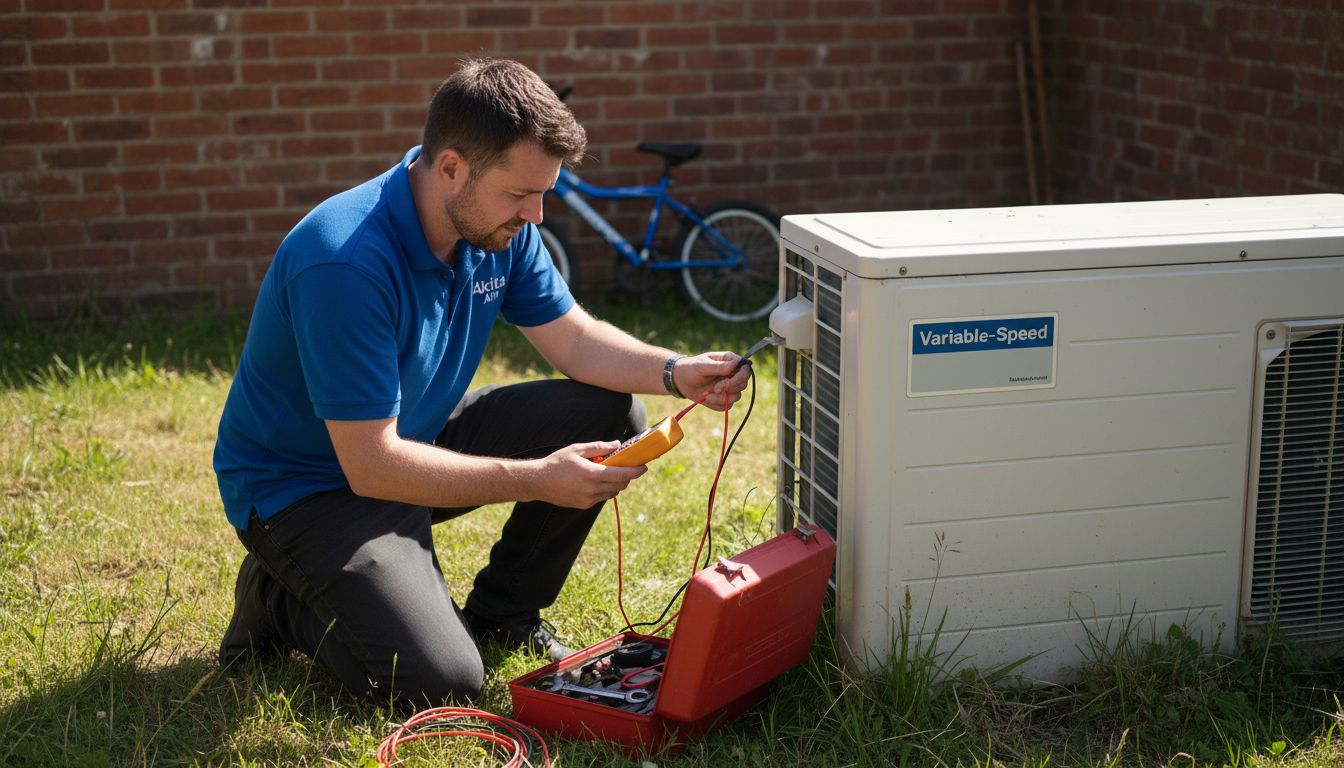
The key innovation is variable-speed compressor technology. Instead of switching on and off like a light switch, modern inverter-driven air conditioners continuously adjust cooling output to match your actual needs. When your home reaches the target temperature, the system doesn’t stop—it slows down, using a fraction of the energy a traditional system would waste during this holding phase.
Key Technologies Making a Difference
Several breakthrough approaches are transforming how we cool UK homes:
- Inverter compressors adjust speed fluidly based on temperature demand
- Evaporative cooling systems use water evaporation to cool air naturally with minimal electricity
- Absorption cooling harnesses waste heat or renewable energy instead of relying solely on electrical input
- Solid-state cooling eliminates moving parts, reducing maintenance and energy loss
- Smart controls learn your patterns and anticipate cooling needs before they become urgent
Each of these technologies addresses the same problem: wasted energy from oversized systems running when they don’t need to.
The Inverter Advantage
Think of a traditional air conditioner as a car with only two gears—stationary or wide open. An inverter system is like modern cruise control, constantly fine-tuning speed to maintain exactly what you need.
Variable-speed compressors reduce energy consumption by 30-50% because they operate at partial capacity during moderate weather rather than cycling on and off repeatedly.
This continuous adjustment prevents the energy spikes that occur every time a conventional compressor restarts. Your electricity use drops significantly because the system isn’t constantly ramping up from rest.
Renewable Energy Integration
Modern cooling technologies increasingly work alongside renewable sources. Indirect evaporative coolers and renewable-powered chillers can substantially lower operational costs whilst supporting grid stability. In Suffolk, Norfolk, and Essex homes with solar panels, these systems integrate seamlessly, using daytime solar generation when cooling demand peaks.
The combination of demand-responsive technology and renewable integration creates a multiplier effect on your savings.
Real-World Impact
When you upgrade from a 15-year-old system to modern cooling technology, you’re typically looking at measurable reductions within the first summer. The efficiency gains compound because better technology requires less frequent operation overall.
Your energy bills reflect this immediately. Cooling cycles become shorter, and your compressor rarely works at maximum capacity during typical weather conditions.
Pro tip: Ask your installer about your system’s EER (Energy Efficiency Ratio) and whether it includes inverter technology—this single feature typically delivers the largest energy reduction for your investment.
Types of Energy Efficient Air Conditioning Explained
Not all air conditioning systems are the same. Understanding which type suits your Suffolk, Norfolk, or Essex home helps you make the right investment for long-term savings and comfort.
The most common energy efficient systems fall into a few distinct categories, each with different advantages depending on your home layout, budget, and cooling needs.
Wall-Mounted Split Systems
Wall-mounted split systems are the most popular choice for UK homes. They consist of an indoor unit mounted on your wall and an outdoor compressor unit connected by refrigerant pipes.
These systems offer several compelling benefits:
- Quiet operation compared to window units or portable alternatives
- Individual room control with inverter technology for energy efficiency
- Relatively straightforward installation without extensive ductwork
- Ability to cool single rooms or open-plan spaces effectively
- Lower installation costs than whole-home systems
Inverter split-systems modulate compressor speed dynamically, which improves efficiency and reduces energy consumption compared to fixed-speed units.
Multi-Split and Ducted Systems
Multi-split systems use a single outdoor unit to serve multiple indoor units throughout your home. This approach works well if you want cooling in several rooms without installing separate outdoor units.
Ducted systems hide piping and vents within your walls and ceilings, delivering cooled air throughout your entire home. However, they require more complex installation and higher upfront costs.
Wall-mounted split systems balance efficiency, affordability, and ease of installation—making them the most practical choice for most UK homeowners.
Alternative Cooling Technologies
Beyond traditional refrigerant systems, modern alternatives are gaining ground:
- Evaporative cooling uses water evaporation rather than electricity-intensive compression
- Absorption cooling harnesses heat sources or renewable energy instead of relying solely on electrical input
- Hybrid systems combine traditional AC with smart controls and eco-friendly refrigerants
- Portable units offer mobility but sacrifice efficiency for convenience
These alternatives work best when integrated into your overall home strategy, particularly if you’re already using renewable energy sources.
Here’s how the main types of energy efficient cooling systems compare for UK homes:
| System Type | Ideal Application | Installation Complexity | Typical Cost Range |
|---|---|---|---|
| Wall-mounted split | Single rooms, small flats | Low – minimal disruption | £900–£2,500 per room |
| Multi-split | Multiple rooms, medium homes | Medium – more piping needed | £2,500–£7,000 per system |
| Ducted/central | Whole house, new builds | High – extensive works | £6,000–£15,000 whole property |
| Evaporative/alternative | Dry climates, eco homes | Varies – can be simple or complex | £750–£3,000 per unit |
Smart and Hybrid Systems
Modern air conditioning increasingly includes smart features. WiFi-enabled thermostats let you control temperature remotely, whilst smart learning systems adjust based on your patterns and weather forecasts.
Hybrid systems combine efficient cooling with eco-friendly refrigerants and automated energy management, optimising your usage automatically without constant manual adjustment.
Pro tip: When comparing systems, prioritise models with inverter technology and A+ energy ratings—these deliver the biggest operational savings, and installation quality matters as much as the system itself, so choose installers with proven track records.
Cost Savings and Environmental Impact Considerations
Upgrading to energy efficient cooling delivers benefits that extend beyond your monthly energy bills. The financial and environmental gains compound over time, making this one of the most practical home improvements you can make.
Your Household Savings
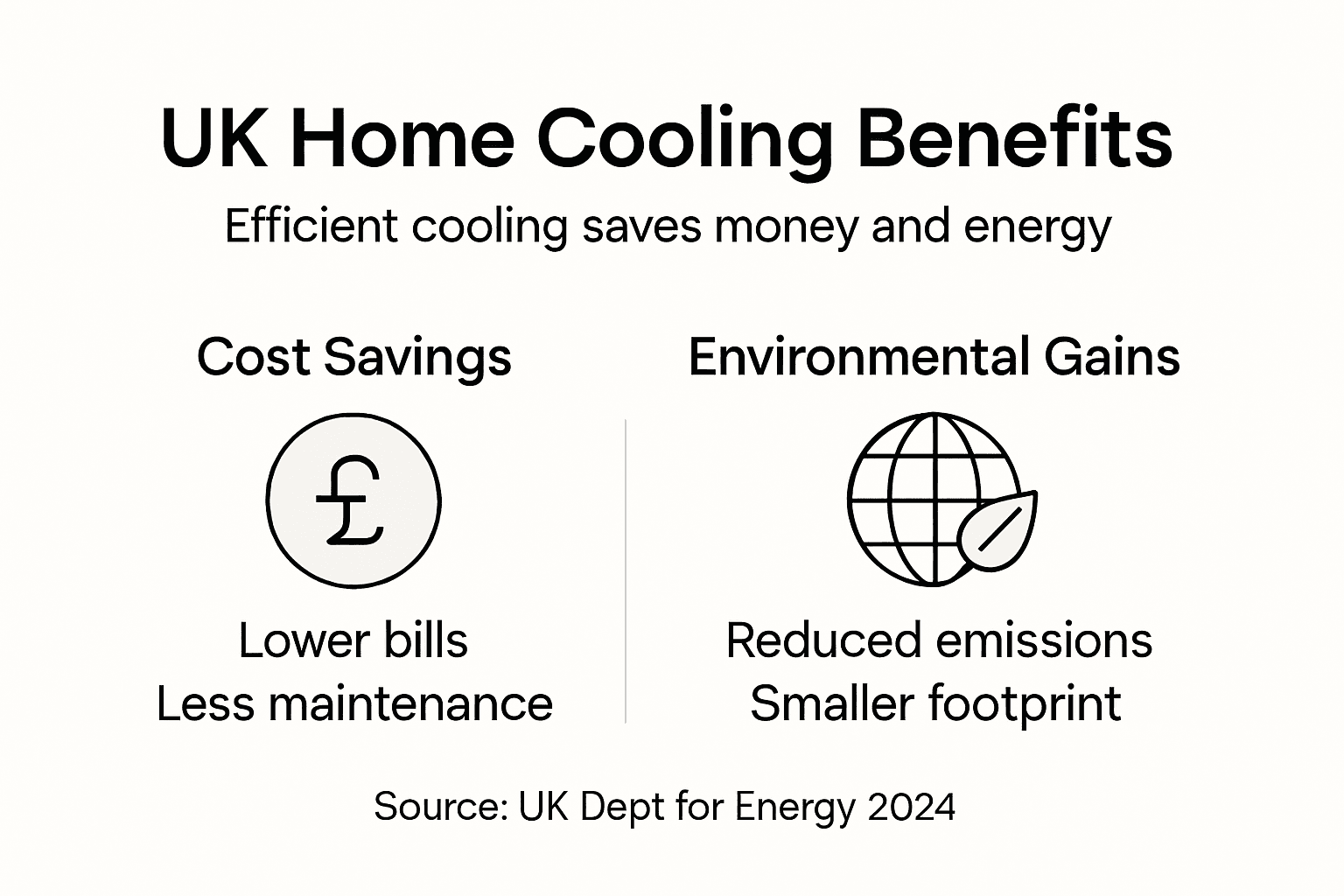
Energy efficient air conditioning directly reduces electricity consumption. A modern inverter system uses 30-50% less energy than older fixed-speed units, translating into immediate savings on your energy bills.
Consider the maths:
- Average UK home cooling costs: £400-600 annually
- Savings with efficient system: £120-300 per year
- Payback period: typically 5-8 years depending on system and usage
- Continued savings: decades of lower bills after payback
These figures assume modest cooling usage. Homes in Suffolk, Norfolk, and Essex experiencing increasingly warm summers see even greater returns.
Peak Demand and Grid Benefits
Energy efficient cooling eases peak electricity demand on the national grid. When thousands of homes run inefficient units simultaneously during hot weather, it strains infrastructure and drives up wholesale electricity prices.
By adopting efficient systems, you’re not just saving money—you’re reducing the need for additional power generation capacity, which typically relies on fossil fuels. Your choice contributes to grid stability and lower overall energy costs across the network.
Environmental Impact of Your Choice
Cooling systems account for around 7% of global greenhouse gas emissions, and this figure is rising as cooling demand increases worldwide. Your home’s contribution matters.
Energy efficient cooling reduces emissions in two ways:
- Lower electricity consumption means less fossil fuel burning for power generation
- Eco-friendly refrigerants prevent high-impact chemicals from entering the atmosphere
Switching to energy efficient cooling cuts your cooling-related carbon footprint by approximately 40-50%, equivalent to offsetting several tonnes of CO2 annually.
Refrigerant Considerations
Older systems often use refrigerants with high global warming potential. Modern systems use low-impact alternatives that deliver the same cooling performance without contributing to ozone depletion or climate change.
When choosing a system, verify it uses eco-friendly refrigerants. This becomes increasingly important as regulations tighten and environmental standards evolve.
Long-Term Value Beyond Energy
Beyond direct savings, efficient systems offer additional advantages:
- Reduced maintenance costs due to less wear on components
- Better home comfort and temperature stability
- Improved property value and appeal to future buyers
- Lower risk of system failure during peak summer demand
- Alignment with upcoming UK building regulations and standards
Your investment protects you against rising energy costs and tightening environmental requirements.
The following table highlights long-term benefits of investing in energy efficient cooling:
| Benefit | Short-Term Impact | Long-Term Value |
|---|---|---|
| Energy savings | Lower initial utility bills | Decades of compound savings |
| Reduced maintenance | Fewer repairs, smoother running | Extended system lifespan |
| Environmental impact | Less electricity used | Significant carbon reduction |
| Home comfort | Immediate temperature stability | Higher resale property value |
Pro tip: Calculate your personal payback timeline by multiplying annual energy cost savings (typically £120-300) by your system’s lifespan (15-20 years), then divide by the installation cost—this reveals true value beyond initial investment.
Choosing and Maintaining Eco-Friendly Cooling Solutions
Selecting the right energy efficient system is just the start. How you maintain it determines whether you actually achieve those promised savings and environmental benefits over the system’s lifetime.
Key Selection Criteria
When choosing an eco-friendly cooling solution, focus on three critical factors:
- Energy efficiency ratings (look for A+ or higher SEER ratings)
- Refrigerant type (prioritise systems using low global warming potential chemicals)
- System lifecycle emissions (consider manufacturing, operation, and end-of-life impact)
Selection criteria should include compatibility with renewable energy sources and technologies designed for durability with minimal maintenance requirements. This forward-thinking approach maximises your investment’s environmental benefit.
Refrigerant Selection Matters
Low global warming potential refrigerants are essential for modern systems. Older refrigerants like R22 have been phased out because they damage the ozone layer and contribute significantly to climate change.
Modern alternatives deliver identical cooling performance without environmental harm. When comparing systems, ask your installer specifically about refrigerant type—never assume all modern units use eco-friendly options.
The Maintenance Factor
Proper maintenance directly protects both your efficiency and the environment. Refrigerant leaks waste energy and release potent greenhouse gases into the atmosphere.
Regular servicing prevents leaks, preserves efficiency, and ensures your system delivers the environmental and financial benefits you invested in.
Maintenance isn’t optional—it’s the difference between theoretical savings and actual results. A well-maintained system operates at peak efficiency for 15-20 years. A neglected system degrades quickly and eventually fails.
Essential Maintenance Steps
Keep your system performing efficiently with these routines:
- Annual professional inspections before the cooling season starts
- Filter changes every 1-3 months depending on usage and dust levels
- Coil cleaning to remove debris that restricts airflow
- Refrigerant checks to detect leaks before they become significant
- Thermostat calibration to ensure accurate temperature control
These steps are straightforward and relatively inexpensive. Skipping them leads to expensive repairs and wasted energy.
Working with Professional Installers
Not all installers provide equal quality. Choose professionals who understand energy efficient systems thoroughly and can explain maintenance requirements clearly.
Verify that installers are qualified to work with modern refrigerants and can provide ongoing servicing. A proper installation sets the foundation for years of reliable, efficient operation.
Integration with Your Home
System selection should consider your home’s overall design. Better insulation, appropriate shading, and ventilation reduce the cooling load your system must handle.
Think holistically. A high-efficiency system in a poorly insulated home underperforms compared to a good system in a well-designed home.
Pro tip: Schedule maintenance in spring before peak cooling season begins, document all service visits, and ask your installer for a maintenance plan that covers regular inspections—this protects your warranty and ensures sustained efficiency.
Upgrade to Energy Efficient Cooling with Akita Air Conditioning
The article highlights the rising importance of energy efficient cooling to reduce household energy bills, minimise environmental impact, and improve long-term comfort for homes in the UK. If your Suffolk, Norfolk, or Essex property struggles with high cooling costs or outdated systems that waste energy, Akita Air Conditioning is here to help you seamlessly transition to modern, smart, and eco-friendly air conditioning solutions. Our expertise ensures you get the best efficiency through inverter technology, low-impact refrigerants, and expert installation tailored to your home’s needs.
Discover why thousands of UK homeowners are choosing Akita for trusted installations, reliable maintenance memberships, and flexible financing that makes upgrading stress-free. Beat rising energy prices and enhance your home comfort with sustainable systems designed for peak performance. Visit Akita Air Conditioning now and explore our energy efficient installation services and ongoing maintenance plans crafted to protect your investment and the environment. Take the smart step today and experience the difference efficient cooling can make in your life.
Frequently Asked Questions
What are the benefits of energy efficient cooling systems?
Energy efficient cooling systems reduce electricity consumption by 30-50%, helping to lower energy bills while maintaining comfortable temperatures. They also contribute to an environmentally responsible choice by minimising greenhouse gas emissions.
How do inverter compressors work in energy efficient cooling systems?
Inverter compressors adjust their speed based on the actual cooling demand rather than cycling on and off. This constant adjustment leads to significant energy savings and improves the system’s overall efficiency compared to traditional fixed-speed units.
What should I consider when choosing an energy efficient cooling system?
When selecting an energy efficient cooling system, consider factors such as energy efficiency ratings (look for A+ or higher), the type of refrigerant used (prioritise low global warming potential options), and the overall lifecycle emissions of the system.
How can I maintain my energy efficient cooling system for optimal performance?
Regular maintenance is crucial for efficiency. Key steps include annual professional inspections, changing filters every 1-3 months, keeping coils clean, checking refrigerant levels for leaks, and ensuring your thermostat is calibrated accurately.