

Why Energy Efficient HVAC Matters for UK Homes
Finding reliable ways to keep your Suffolk, Norfolk, or Essex home comfortable through changing seasons can be a real concern for homeowners. With the focus on lower bills and a smaller environmental footprint, understanding how energy efficiency works in modern heating and cooling systems has never been more important. This guide explains which HVAC options work best for British homes, how they cut running costs, and what benefits come with switching to smarter, greener technology.
Table of Contents
- Energy Efficient HVAC Explained for UK Homes
- Types of Energy Efficient HVAC Systems
- How Modern HVAC Systems Improve Efficiency
- Financial Benefits and Government Incentives
- Environmental Impact and Regulatory Compliance
- Choosing and Maintaining Your Efficient HVAC
Key Takeaways
| Point | Details |
|---|---|
| Energy Efficiency Is Crucial | The UK’s Standard Assessment Procedure rates homes’ energy performance, guiding homeowners to enhance heating and cooling systems. |
| Choose Advanced HVAC Technologies | Modern systems like Air Source Heat Pumps and Smart Control HVAC can drastically reduce energy consumption and costs. |
| Government Incentives Are Available | Various schemes, such as the Boiler Upgrade Scheme, provide financial support for upgrading HVAC systems. |
| Regular Maintenance Is Essential | Scheduling maintenance twice a year helps maintain system efficiency and prevent costly repairs. |
Energy Efficient HVAC Explained for UK Homes
Understanding energy efficiency in home heating and cooling systems has become increasingly crucial for UK homeowners. The UK government’s Standard Assessment Procedure provides a comprehensive framework for evaluating home energy performance, rating dwellings from 1 to 100 based on their efficiency levels.
Modern HVAC systems represent a significant opportunity for reducing household energy consumption. These advanced climate control technologies offer multiple benefits beyond simple temperature regulation:
- Dramatically lower energy bills
- Reduced carbon footprint
- Enhanced home comfort
- Smart technology integration
- Improved environmental sustainability
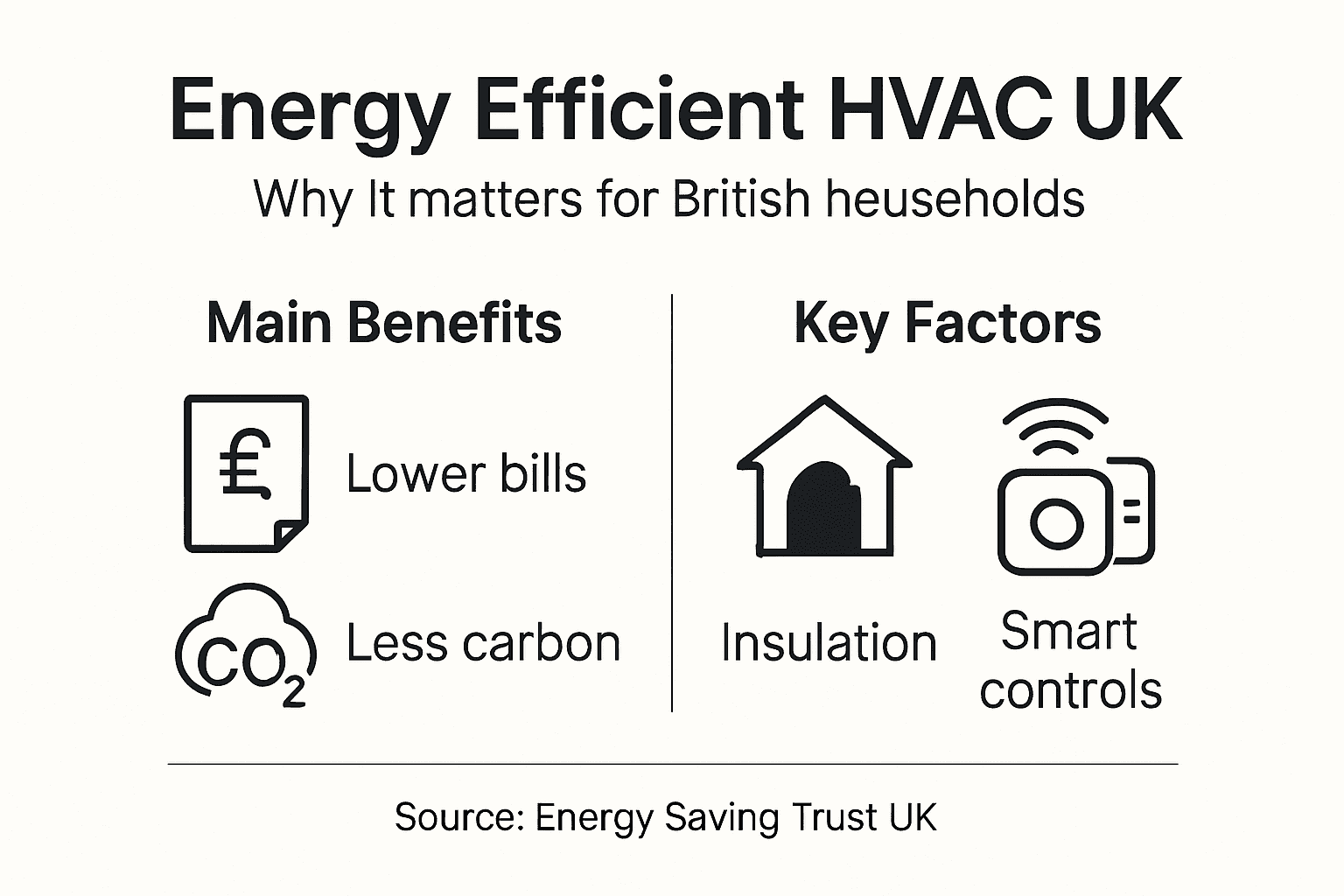
The effectiveness of energy-efficient HVAC systems is closely tied to home insulation and overall building design. Thermal performance plays a critical role in determining how efficiently a heating or cooling system operates. Homes with proper insulation, double-glazed windows, and strategic building orientation can maximise the performance of their HVAC equipment.
Energy Performance Certificates (EPCs) provide homeowners with a clear assessment of their property’s energy efficiency, ranging from A (most efficient) to G (least efficient). Most English homes currently fall into Band C, indicating significant room for improvement through strategic HVAC upgrades.
Pro tip: Consider a professional energy audit to identify specific opportunities for improving your home’s HVAC efficiency and reducing long-term energy costs.
Types of Energy Efficient HVAC Systems
The landscape of energy-efficient heating and cooling systems has evolved significantly, offering UK homeowners multiple sophisticated options for reducing energy consumption. Advanced HVAC technologies now provide innovative solutions that balance performance, comfort, and environmental sustainability.
Key types of energy-efficient HVAC systems include:
- Air Source Heat Pumps: Extract heat from outside air, converting it into usable warmth
- Condensing Boilers: Capture waste heat that traditional systems would lose
- Hybrid Systems: Combine gas and electrical technologies for optimal efficiency
- Radiant Heating Systems: Provide even, efficient temperature distribution
- Smart Control HVAC: Integrate advanced sensors and adaptive temperature management
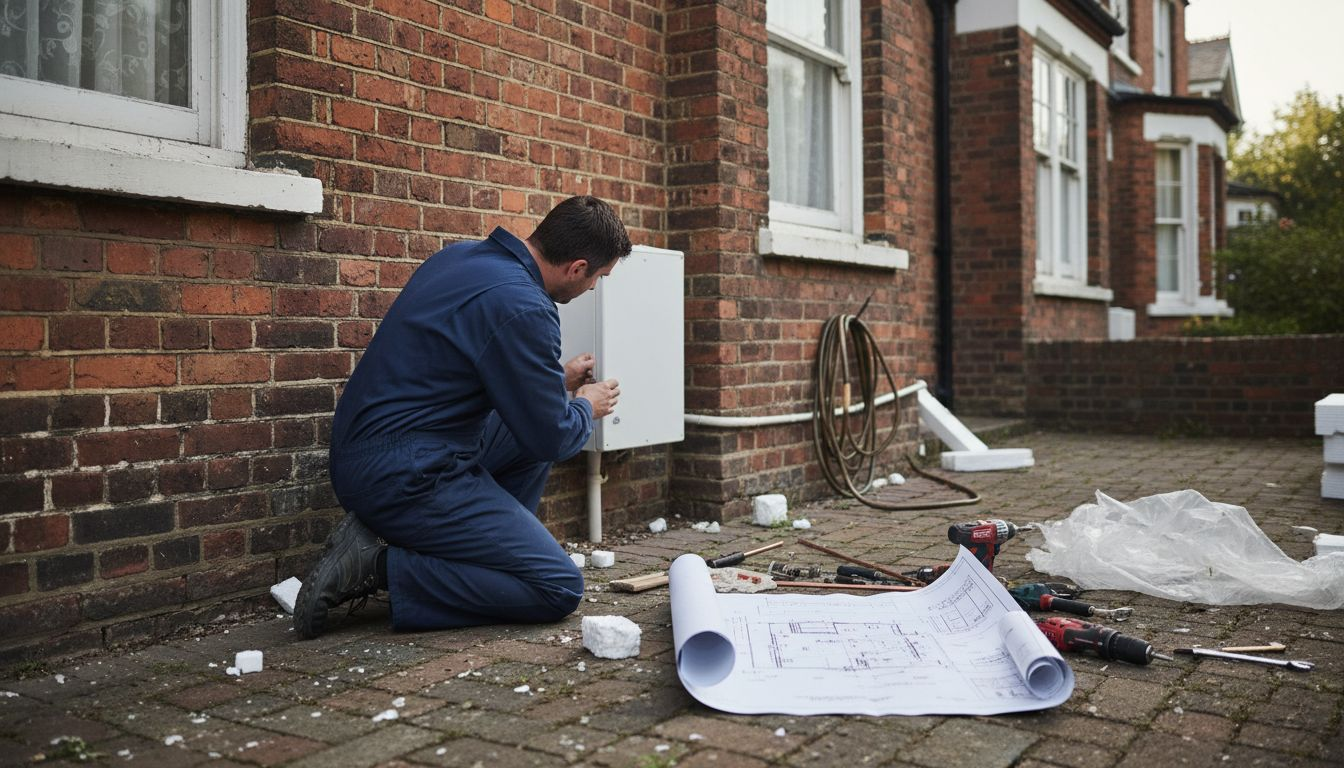
The effectiveness of these systems depends not just on their core technology, but also on intelligent integration. Building Management Systems (BMS) play a crucial role in optimising performance by continuously monitoring and adjusting heating and cooling parameters.
Modern HVAC technologies are increasingly designed to work seamlessly with renewable energy sources, allowing homeowners to reduce both their carbon footprint and energy expenses. By selecting systems with high efficiency ratings and implementing smart control strategies, UK households can significantly lower their environmental impact.
To help homeowners decide which energy-efficient HVAC solution fits their priorities, here’s a concise comparison of major system types:
| System Type | Typical Efficiency Impact | Typical Upfront Cost | Best For |
|---|---|---|---|
| Air Source Heat Pump | Reduces usage by 30-40% | Medium to High | Mild to moderate climates |
| Condensing Boiler | Increases efficiency by 10% | Medium | Homes with existing radiators |
| Hybrid System | Optimises across seasons | High | Variable gas/electric prices |
| Radiant Heating | Even heating, no drafts | High | Unsuitable for retrofits |
| Smart Control HVAC | Up to 20% lower bills | Low to Medium | Tech-savvy property owners |
Pro tip: Consult a professional energy assessor to determine the most suitable HVAC system for your specific home’s layout and energy requirements.
How Modern HVAC Systems Improve Efficiency
Advanced HVAC technologies are revolutionising energy management in UK homes, offering unprecedented opportunities for reducing energy consumption and environmental impact. These sophisticated systems go far beyond traditional heating and cooling approaches, integrating intelligent design and cutting-edge components to maximise efficiency.
Key innovations that enhance HVAC system performance include:
- Smart Sensors: Continuously monitor temperature and occupancy
- Variable Speed Compressors: Adjust energy output dynamically
- Predictive Maintenance Algorithms: Detect potential issues before they escalate
- Adaptive Flow Control: Optimize heating and cooling distribution
- Renewable Energy Integration: Connect with solar and geothermal sources
The core strength of modern HVAC systems lies in their ability to operate with remarkable precision. Intelligent Control Systems enable real-time adjustments, ensuring that energy is used exactly where and when it’s needed, dramatically reducing unnecessary consumption.
Moreover, these advanced systems contribute significantly to the UK’s sustainability goals by minimising carbon emissions and supporting more environmentally responsible home climate management. By investing in smart HVAC technologies, homeowners can simultaneously improve comfort, reduce energy bills, and make meaningful contributions to national carbon reduction targets.
Pro tip: Invest in a professional HVAC assessment to understand which smart technologies could best optimize your home’s specific energy performance.
Financial Benefits and Government Incentives
Government support for energy-efficient heating has transformed the landscape of home climate control for UK homeowners, offering substantial financial incentives to upgrade HVAC systems and reduce energy consumption.
Key government schemes providing financial support include:
- Boiler Upgrade Scheme: Grants up to £7,500 for heat pump installations
- Energy Company Obligation (ECO): Support for low-income households
- Great British Insulation Scheme: Funding for home insulation improvements
- Warm Homes Plan: Targeted support for reducing fuel poverty
- Renewable Heat Incentive: Payments for adopting clean heating technologies
The financial benefits extend beyond immediate government grants. Homeowners can expect significant long-term savings through reduced energy bills, with efficient HVAC systems potentially cutting annual heating costs by up to 40%. Smart technology investments not only decrease monthly expenses but also increase property values and reduce carbon footprint.
For those considering a government-supported upgrade, this summary outlines key incentive schemes and who benefits most:
| Scheme Name | Max Support | Main Beneficiaries |
|---|---|---|
| Boiler Upgrade Scheme | £7,500 grant | All homeowners |
| Energy Company Obligation | Subsidised upgrades | Low-income households |
| Great British Insulation | Free/discounted insulation | Older, less efficient homes |
| Warm Homes Plan | Varies; includes heating | Vulnerable and low-income |
| Renewable Heat Incentive | Payment per unit generated | Clean heating adopters |
Eligibility for these schemes varies, typically depending on factors such as household income, property type, and current energy efficiency ratings. Homeowners are encouraged to research specific programme requirements and consult with energy efficiency experts to maximise available financial support.
Pro tip: Check multiple government and local authority websites to compile a comprehensive list of available energy efficiency grants before investing in new HVAC technologies.
Environmental Impact and Regulatory Compliance
Energy-related product regulations have become increasingly stringent, driving significant improvements in HVAC system sustainability and environmental performance. These comprehensive guidelines ensure that manufacturers develop increasingly efficient technologies that contribute to the UK’s broader climate change mitigation strategies.
Key environmental regulatory requirements include:
- Reduced Carbon Emissions: Mandatory efficiency standards for all HVAC equipment
- Global Warming Potential Limits: Strict controls on refrigerant technologies
- Energy Performance Labelling: Transparent reporting of system efficiency
- Minimum Efficiency Standards: Progressively tightening performance benchmarks
- Sustainable Manufacturing Guidelines: Encouraging eco-friendly production processes
The implications of these regulations extend far beyond simple compliance. Technological innovation is now fundamentally tied to environmental responsibility, with manufacturers continuously developing systems that minimise energy consumption and reduce greenhouse gas emissions. This approach not only meets legal requirements but also provides tangible benefits for homeowners seeking to reduce their carbon footprint.
Compliance with these regulations represents a critical step towards the UK’s ambitious net-zero targets. By enforcing strict standards, the government is effectively driving a systemic transformation in how heating and cooling technologies are designed, manufactured, and implemented across residential and commercial sectors.
Pro tip: Request energy efficiency certification documentation when purchasing new HVAC systems to ensure full compliance with current environmental regulations.
Choosing and Maintaining Your Efficient HVAC
Selecting and maintaining an energy-efficient HVAC system requires careful consideration and strategic planning. HVAC maintenance plans offer homeowners a comprehensive approach to ensuring optimal system performance and longevity.
Key factors to consider when choosing an efficient HVAC system include:
- Energy Efficiency Rating: Look for systems with high SEER (Seasonal Energy Efficiency Ratio) ratings
- Size and Capacity: Match system specifications to your home’s precise requirements
- Installation Quality: Ensure professional installation by certified technicians
- Smart Control Compatibility: Select systems with advanced digital management features
- Warranty and Support: Choose manufacturers offering comprehensive maintenance coverage
Regular maintenance is crucial for preserving the efficiency and reliability of your HVAC system. This involves periodic professional inspections, cleaning of filters and components, and proactive identification of potential performance issues. Annual servicing can help prevent unexpected breakdowns and maintain the system’s energy-efficient operation.
Modern HVAC technologies offer sophisticated diagnostic capabilities, allowing homeowners to monitor system performance through smartphone applications and integrated smart home platforms. These tools provide real-time insights into energy consumption, system health, and opportunities for optimisation.
Pro tip: Schedule professional HVAC system maintenance twice yearly to ensure peak performance and catch potential issues before they become costly repairs.
Upgrade to Energy Efficient HVAC with Akita Air Conditioning Today
The challenge many UK homeowners face is balancing comfort, lower energy bills, and environmental responsibility. This article highlights the pressing need for energy-efficient HVAC systems that deliver smart control, reduced carbon footprints, and long-term savings. If you are looking to transform your home climate control with modern, eco-friendly technology that truly works in harmony with your property’s unique needs and insulation, Akita Air Conditioning offers expert solutions tailored for you.

Discover how Akita’s professional installation and maintenance services bring powerful energy efficiency and smart control features right to your doorstep. Benefit from transparent pricing, flexible finance options, and a commitment to reducing your home’s environmental impact. Visit our home page – Akita AC now to explore how upgrading your HVAC system can reduce your energy costs dramatically and increase comfort without stress. Take the first step towards a greener, more cost-effective home today.
Frequently Asked Questions
What is an energy-efficient HVAC system?
An energy-efficient HVAC system is designed to provide optimal heating and cooling while minimising energy consumption. These systems use advanced technologies and components to enhance performance and reduce utility costs.
How does an energy-efficient HVAC system reduce my energy bills?
Energy-efficient HVAC systems can lower energy bills by using less energy to achieve the same level of comfort. They achieve this through better thermal performance, advanced sensors, and variable speed components that adjust to real-time conditions.
What types of energy-efficient HVAC systems are available?
Common types of energy-efficient HVAC systems include air source heat pumps, condensing boilers, hybrid systems, radiant heating systems, and smart control HVAC, each offering unique benefits and efficiencies.
Why is regular maintenance important for my HVAC system?
Regular maintenance is crucial for maintaining the efficiency and reliability of your HVAC system. It involves inspections, cleaning, and proactive troubleshooting, which can prevent expensive breakdowns and ensure optimal performance.
Recommended
- Why Finance Air Conditioning for UK Homes – Akita AC
- HVAC Maintenance Plan: Lower Costs, Reliable Comfort – Akita AC
- How to Choose Energy Efficient AC for Your Home Easily – Akita AC
- Is Air Conditioning Worth It in the UK – Akita AC
- Energy Efficiency in Roofing: Lower Bills in Houston
- Window Lock Types Explained: Secure Your Home in the UK
- Asbestos Removal for Landlords in England: Legal Duties Explained | AIB Solutions LTD