

How to Choose Energy Efficient AC for Your Home Easily
Sweltering summers in Suffolk, Norfolk, and Essex can make it difficult to keep your home comfortable without worrying about high electricity bills. Selecting the best energy-efficient air conditioning system matters for both your wallet and the environment. With the right guidance, you can enjoy cooler rooms, lower energy costs, and a reduced carbon footprint—making modern air conditioning a smart, sustainable upgrade for your home.
Table of Contents
- Step 1: Assess Your Home’s Cooling Needs
- Step 2: Identify Key Energy Efficiency Features
- Step 3: Compare Efficiency Ratings and Labels
- Step 4: Evaluate Smart Controls and Modern Technology
- Step 5: Verify Installation and Support Options
Quick Summary
| Key Point | Explanation |
|---|---|
| 1. Assess your home’s cooling needs | Measure the area to be cooled and evaluate insulation and window quality for optimal AC selection. |
| 2. Prioritise energy efficiency features | Focus on systems with high SEER ratings and advanced technologies to maximise cooling efficiency and reduce costs. |
| 3. Understand efficiency ratings and labels | Familiarise yourself with SEER, EER, and ENERGY STAR ratings to compare system performances and long-term savings. |
| 4. Evaluate smart technology benefits | Look for Wi-Fi enabled systems for better energy management and customisable cooling solutions to optimise usage based on your routines. |
| 5. Ensure proper installation and support | Choose accredited professionals for installation and seek ongoing support to maintain system efficiency and performance. |
Step 1: Assess Your Home’s Cooling Needs
Before selecting an energy-efficient air conditioning system, you’ll need to conduct a comprehensive assessment of your home’s unique cooling requirements. Understanding your specific needs helps you choose a system that provides optimal comfort while minimising energy consumption.
A thorough home cooling assessment involves several key steps. First, you’ll want to measure the square footage of the spaces you want to cool. Square metre measurements are crucial for determining the appropriate air conditioning capacity. Next, evaluate your home’s existing insulation and window quality, as these factors significantly impact cooling efficiency. Home energy audits can provide detailed insights into your property’s thermal performance.
Consider these critical factors when assessing your cooling needs:
- Total area requiring cooling (in square metres)
- Number of rooms and their individual layouts
- Current insulation quality
- Window size and orientation
- Ceiling height
- Local climate conditions
- Number of occupants
Pay special attention to rooms with high heat exposure, such as those facing west or with large windows. These areas might require additional cooling capacity or targeted solutions. Understanding your home’s unique thermal characteristics will help you select an air conditioning system that delivers efficient, consistent cooling.
Pro tip: A well-insulated home can reduce cooling requirements by up to 30 per cent, potentially saving you significant energy costs.
Professional advice: Consider consulting a local air conditioning specialist who can perform a detailed thermal assessment specific to your Suffolk, Norfolk, or Essex property.
Step 2: Identify Key Energy Efficiency Features
Navigating the world of air conditioning energy efficiency can seem complex, but understanding the critical features that contribute to optimal performance is essential for making an informed purchasing decision. Your goal is to select a system that delivers maximum cooling while minimising energy consumption and long-term operational costs.
When evaluating air conditioning systems, focus on several key energy efficiency indicators. Energy efficiency ratings provide a standardised measure of a system’s performance capabilities. Look for equipment with high Seasonal Energy Efficiency Ratio (SEER) ratings, which indicate how efficiently the unit converts electrical energy into cooling power. Modern systems often incorporate advanced technologies that enhance overall performance:
- Smart thermostat compatibility
- Variable speed compressor technology
- Programmable temperature controls
- Advanced filtration systems
- Zoned cooling capabilities
- Inverter-driven motors
- Low ambient temperature operation
Beyond the unit itself, consider installation and maintenance factors that significantly impact energy efficiency. Proper system sizing is crucial — an oversized or undersized unit can lead to increased energy consumption and reduced comfort. Professional installation ensures optimal performance, with carefully sealed ductwork and precise calibration.
Properly sized and maintained air conditioning systems can reduce energy consumption by up to 40 per cent compared to older, inefficient models.
Specialist recommendation: Consult with a professional air conditioning technician who can perform a detailed assessment of your specific cooling requirements and recommend the most energy-efficient solution for your home.
Step 3: Compare Efficiency Ratings and Labels
Deciphering air conditioning efficiency ratings can feel like navigating a complex maze, but understanding these crucial indicators will help you make an informed purchasing decision. Your goal is to select an air conditioning system that offers optimal performance while minimising energy consumption and long-term operational costs.
When comparing air conditioning units, focus on key energy efficiency metrics that provide insights into system performance. The most important ratings to understand include:
- Seasonal Energy Efficiency Ratio (SEER)
- Energy Efficiency Ratio (EER)
- Energy Performance Certificates (EPC)
- ENERGY STAR certification
- Annual energy consumption estimates
- Cooling capacity ratings
The Seasonal Energy Efficiency Ratio (SEER) represents the cooling output divided by electrical energy input over an entire cooling season. Higher SEER ratings indicate more efficient units — typically, modern systems range from 13 to 21 SEER, with premium models reaching up to 26. Energy Efficiency Ratio (EER) provides a similar measurement but focuses on performance at specific temperature conditions.
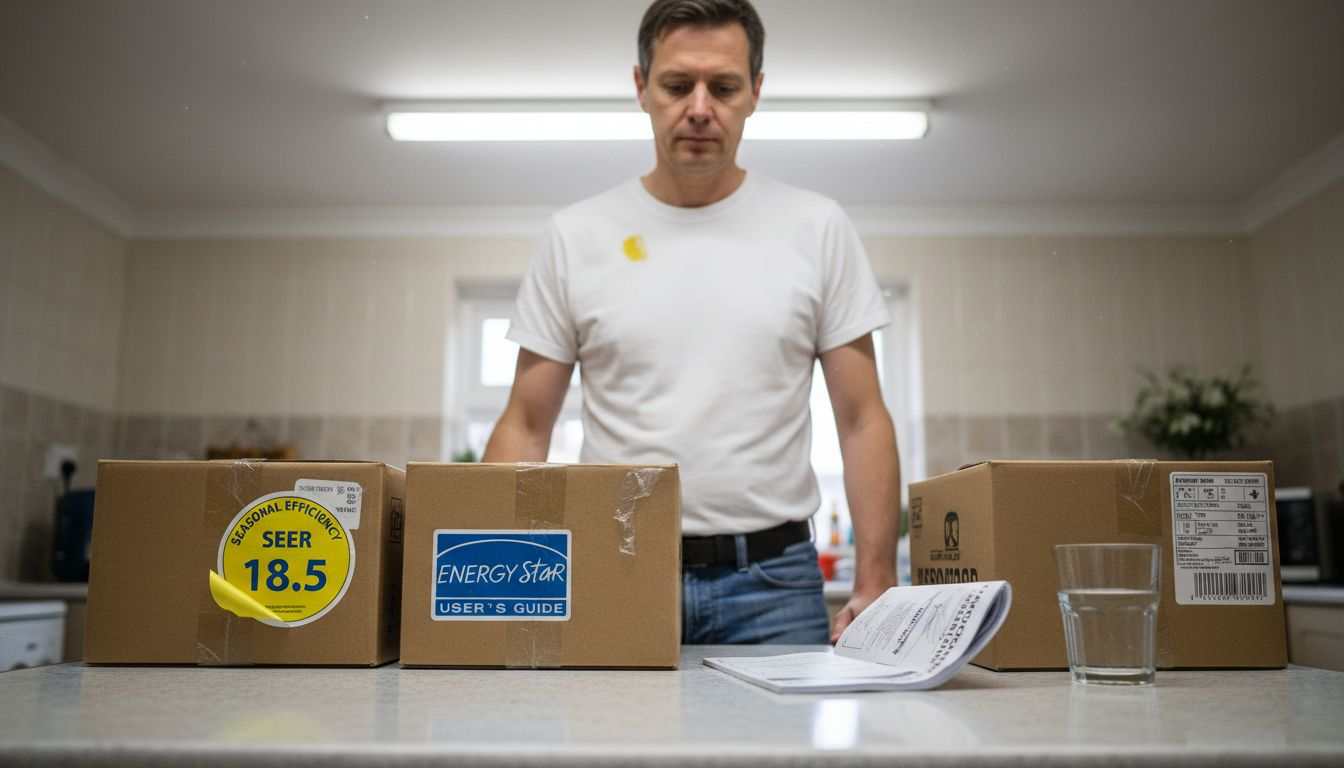
Here is a summary of how different air conditioning efficiency ratings impact your cooling system’s performance and costs:
| Efficiency Rating | What It Measures | Typical Value Range | Impact on Costs |
|---|---|---|---|
| SEER (Seasonal Energy Efficiency Ratio) | Seasonal cooling output vs. energy input | 13–26 for modern units | Higher SEER means lower electricity bills |
| EER (Energy Efficiency Ratio) | Cooling at peak conditions vs. power used | Around 8–12+ | Higher EER improves performance in heat waves |
| EPC (Energy Performance Certificate) | Overall building efficiency grade | Rated A–G | Higher grade reduces overall energy use |
| ENERGY STAR Certification | Meets strict EU/UK energy standards | Marked with blue logo | Indicates superior long-term efficiency |
Higher efficiency ratings can translate to significant energy savings, potentially reducing your cooling costs by 20-40 per cent compared to older, less efficient models.
Specialist recommendation: Always request a detailed efficiency breakdown from manufacturers and compare multiple models to ensure you select the most energy-efficient air conditioning system for your specific home requirements.
Step 4: Evaluate Smart Controls and Modern Technology
Modern air conditioning systems are no longer just about cooling your home — they’re intelligent climate management solutions that offer unprecedented control and energy efficiency. Understanding the latest smart technologies can help you transform your home’s cooling strategy from basic temperature regulation to a sophisticated, responsive system.
Smart home cooling technologies have revolutionised how we manage indoor comfort. These advanced systems offer features that go far beyond traditional thermostat controls:
- Wi-Fi enabled remote access
- Smartphone app integration
- Learning temperature algorithms
- Geofencing capabilities
- Occupancy-based cooling adjustments
- Zone-specific temperature control
- Energy consumption tracking
- Voice assistant compatibility
When evaluating smart controls, look for systems that provide real-time energy insights and automated efficiency optimisation. Modern heat pumps and programmable thermostats can adapt to your specific living patterns, reducing unnecessary cooling and potentially cutting energy costs significantly. The ability to create custom cooling schedules, receive maintenance alerts, and monitor your system’s performance remotely represents a significant leap in home climate management technology.
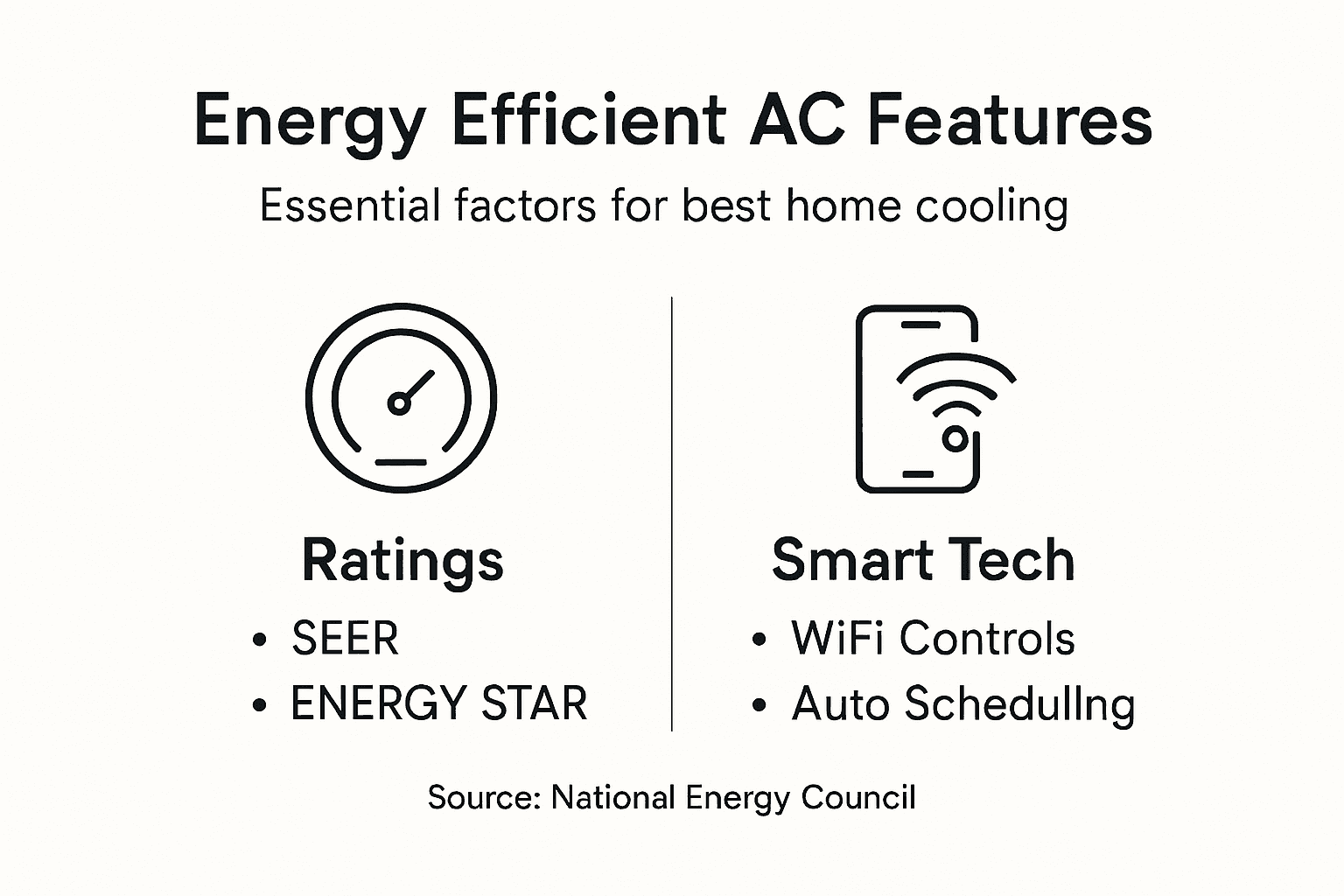
The following table contrasts traditional vs. smart air conditioning technologies to highlight their differences:
| Aspect | Traditional Systems | Smart Systems |
|---|---|---|
| User Controls | Manual, basic thermostats | Automated, app-based control |
| Energy Tracking | No consumption tracking | Real-time energy usage data |
| Scheduling | Fixed or none | Custom daily cooling schedules |
| Adaptability | One setting fits all | Learns and adapts to routines |
Smart cooling technologies can reduce energy consumption by up to 35 per cent compared to traditional systems without intelligent controls.
Specialist recommendation: Prioritise air conditioning systems with comprehensive smart features that align with your household’s specific lifestyle and energy-saving goals.
Step 5: Verify Installation and Support Options
Choosing the right air conditioning system is only half the battle — ensuring proper installation and comprehensive support is equally critical for long-term performance and peace of mind. Your goal is to protect your investment and guarantee optimal energy efficiency from day one.
Air conditioning installation requirements are more complex than most homeowners realise. When selecting an installation partner, consider the following key factors:
- Professional certification credentials
- Manufacturer-specific training
- Documented installation standards
- Comprehensive warranty offerings
- Post-installation support plans
- Technical expertise in energy-efficient systems
- Local compliance with regional regulations
- Proven track record in similar installations
Beyond initial installation, robust support options can significantly impact your system’s longevity and performance. Look for providers offering annual maintenance packages, emergency repair services, and transparent communication about system health. Professional installers should provide detailed documentation, including system configuration specifics, efficiency ratings, and recommended maintenance schedules.
Proper installation by accredited professionals can improve system efficiency by up to 30 per cent compared to poorly installed units.
Specialist recommendation: Request comprehensive documentation of installation processes and ensure your chosen provider offers ongoing technical support and maintenance packages tailored to your specific air conditioning system.
Make Your Home Comfort Effortless and Energy Efficient Today
Choosing the right energy efficient air conditioning system can feel overwhelming when faced with complex efficiency ratings, smart controls, and precise installation needs. If you want to avoid costly mistakes and ensure your home in Suffolk, Norfolk, or Essex enjoys maximum comfort with minimum energy use, professional guidance is essential. Common challenges like improper sizing, inadequate insulation, and lack of smart features often lead to higher bills and inconsistent temperatures. Now is the perfect time to take control and transform your cooling experience with a modern, eco-friendly system designed to cut energy costs and boost your home’s comfort.
Explore expert air conditioning installation and maintenance services tailored to your home’s unique requirements at Akita Air Conditioning. Benefit from transparent pricing, flexible finance options, and ongoing support to keep your system running at peak efficiency year round. Don’t wait until energy bills climb or your current unit fails. Contact us today and start saving energy and money with the latest smart cooling technology perfectly matched to your lifestyle.
Frequently Asked Questions
How do I assess my home’s cooling needs for an energy-efficient AC?
To assess your home’s cooling needs, measure the square footage of the areas requiring cooling and evaluate your insulation and window quality. Consider factors like the number of rooms, occupancy, and local climate conditions, which will help you choose an air conditioning system that offers optimal efficiency and comfort.
What energy efficiency features should I look for in an air conditioning system?
Focus on key energy efficiency features such as the Seasonal Energy Efficiency Ratio (SEER), smart thermostat compatibility, and variable speed compressor technology. These features will help you select a system that reduces energy consumption and operational costs in your home.
How can I compare air conditioning efficiency ratings effectively?
Compare air conditioning units by looking at their SEER, Energy Efficiency Ratio (EER), and ENERGY STAR certification. By focusing on these ratings, you can identify systems that provide optimal performance and could potentially lower your cooling costs by 20-40% compared to older models.
What role do smart controls play in energy efficiency for AC systems?
Smart controls enhance energy efficiency by allowing you to adjust settings remotely and creating custom cooling schedules based on your habits. Look for systems with smart features, as they can reduce energy consumption by up to 35% compared to traditional systems without these capabilities.
Why is professional installation important for my air conditioning system?
Professional installation ensures that your air conditioning system operates at its peak efficiency, which can improve performance by up to 30%. Always choose certified installers who can provide documented evidence of their work and offer ongoing support to protect your investment.
How can I ensure ongoing support for my air conditioning system?
Seek out air conditioning providers who offer comprehensive maintenance packages and post-installation support plans. This will help ensure your system remains efficient and operational, and you will benefit from reduced energy costs and fewer repair needs in the long run.