

Energy Efficient Air Conditioning: Cost, Comfort, and Eco Impact
Sweltering summers in Suffolk, Norfolk, and Essex often leave homeowners battling stifling indoor heat and rising energy bills. The push for energy efficient air conditioning now offers a smarter solution, letting you enjoy cooler rooms without sacrificing comfort or worrying about the monthly costs. By focusing on advanced systems that use less electricity and support cleaner air, you can create a healthier, more sustainable home while reaping noticeable savings year after year.
Table of Contents
- Defining Energy Efficient Air Conditioning
- Types Of Systems And Key Technologies
- How Efficiency Improves Comfort And Air Quality
- Financial Savings And Incentives In The UK
- Environmental Impact And Sustainability Benefits
- Comparisons With Less Efficient Alternatives
Key Takeaways
| Point | Details |
|---|---|
| Energy Efficiency | Energy efficient air conditioning significantly reduces electricity consumption and environmental impact compared to traditional systems. |
| Advanced Technologies | Innovations like variable-speed inverter technologies and smart sensors enable precise temperature control and improve indoor air quality. |
| Financial Incentives | In the UK, government support schemes make upgrading to energy-efficient systems financially attractive for homeowners. |
| Sustainability Benefits | These technologies contribute to lower carbon emissions and support global commitments to climate change mitigation. |
Defining energy efficient air conditioning
Energy efficient air conditioning represents a sophisticated approach to cooling that goes far beyond simply lowering room temperatures. These advanced systems are specifically designed to minimise electricity consumption while maintaining optimal indoor comfort levels. Modern cooling technologies aim to deliver superior performance with significantly reduced environmental impact.
At its core, energy efficient air conditioning involves several critical technological and design innovations:
- Utilising advanced compressor technologies
- Implementing smart temperature control mechanisms
- Integrating high-efficiency heat exchangers
- Using environmentally friendly refrigerants
- Optimising airflow and distribution patterns
Regulatory bodies like the Department of Energy have established rigorous standards to define energy efficiency. Efficiency standards ensure modern air conditioning units consume 30-40% less electricity compared to older models. This reduction translates into substantial cost savings for homeowners and dramatically reduced carbon emissions.
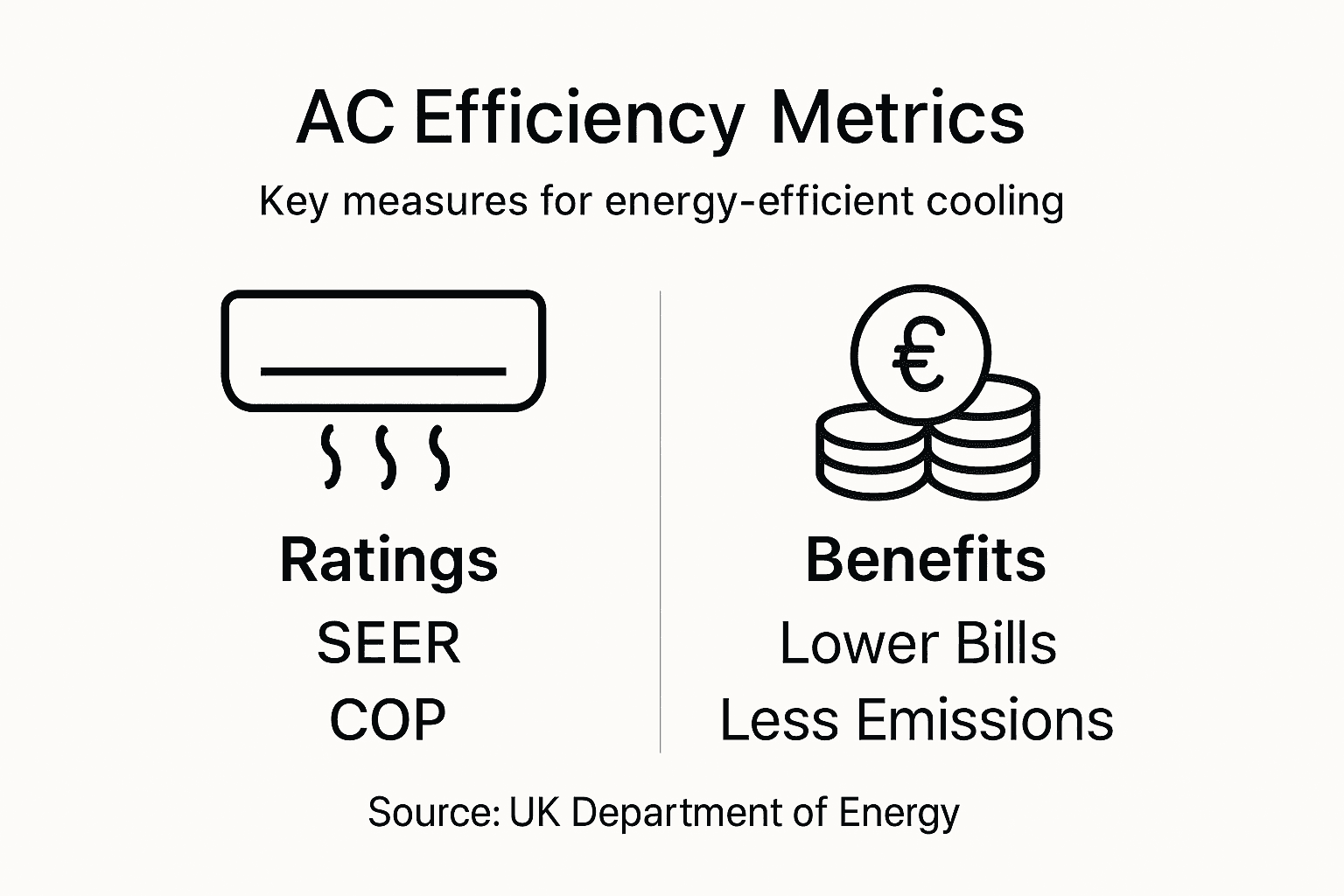
Energy consumption metrics play a crucial role in determining an air conditioner’s efficiency. The most common measurement is the Seasonal Energy Efficiency Ratio (SEER), which calculates the cooling output divided by electricity consumed during typical seasonal usage. Higher SEER ratings indicate more sophisticated, energy-conscious systems.
To clarify how energy-efficient air conditioning differs from traditional systems, consider the following comparison table:
| Aspect | Traditional AC | Energy-Efficient AC |
|---|---|---|
| Electricity Use | High | Significantly reduced |
| Environmental Impact | Increased emissions | Lower carbon footprint |
| Comfort Control | Basic temperature setting | Smart sensors, zone control |
| Technology | Single-speed compressors | Variable speed, inverter tech |
| Cost Savings | Minimal | Noticeable over time |
Pro tip: When selecting an air conditioning system, always check the SEER rating and compare potential long-term energy savings against initial installation costs.
Types of systems and key technologies
Energy efficient air conditioning technologies represent a diverse and rapidly evolving landscape of cooling solutions designed to minimise electricity consumption. Advanced HVAC technologies encompass a range of innovative systems that go beyond traditional cooling methods, focusing on intelligent energy management and environmental sustainability.
Key air conditioning system types include:
- Vapour-compression systems: Traditional refrigeration cycle units
- Heat pumps: Dual-function heating and cooling technologies
- Hybrid systems: Combining multiple cooling strategies
- Inverter-based systems: Variable speed compressor technologies
- Renewable energy integrated systems: Solar or geothermal powered units
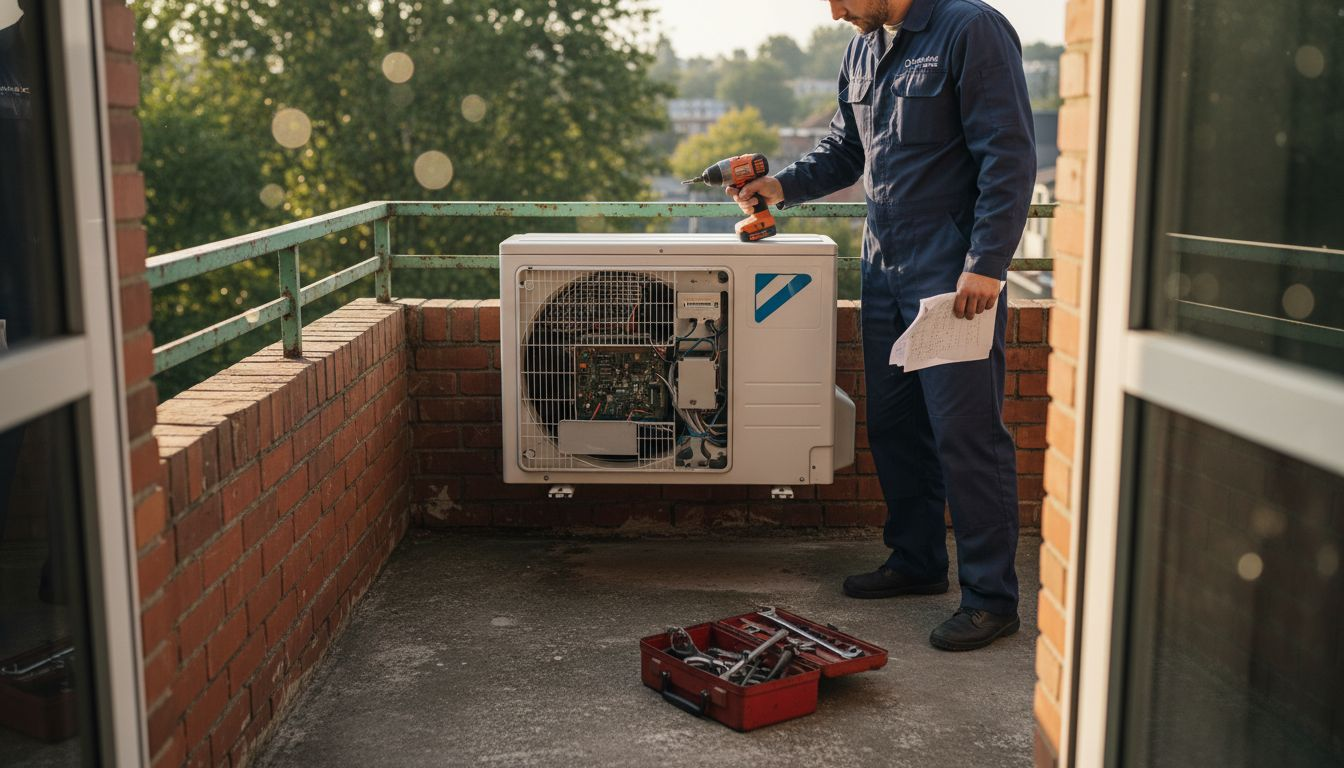
Variable-speed inverter technologies represent a significant breakthrough in energy efficiency. Innovative compressor designs allow precise cooling capacity adjustment, dramatically reducing energy consumption by matching output to exact building requirements. These systems can modulate their performance, ensuring optimal temperature control with minimal wasted electricity.
Moreover, emerging technologies are expanding the boundaries of efficient cooling. Techniques like desiccant dehumidification, membrane air processing, and advanced thermal management are transforming how we approach indoor climate control. These innovative approaches not only reduce energy consumption but also improve overall system performance and environmental sustainability.
Pro tip: When evaluating air conditioning systems, prioritise units with high inverter efficiency and multi-mode operational capabilities to maximise long-term energy savings.
How efficiency improves comfort and air quality
Advanced air conditioning technologies are revolutionising indoor comfort by delivering precise temperature and humidity control with unprecedented energy efficiency. Modern systems go beyond simple cooling, creating intelligent environments that actively manage air quality and occupant well-being.
Key comfort and air quality improvements include:
- Consistent temperature maintenance
- Reduced humidity fluctuations
- Enhanced air filtration capabilities
- Intelligent airflow management
- Precise zone-based climate control
Smart sensor technologies play a crucial role in optimising indoor environments. Efficient ventilation strategies now incorporate advanced sensors that continuously monitor air quality, automatically adjusting ventilation rates and filtering systems to remove pollutants, allergens, and moisture.
Moreover, these intelligent systems create a dynamic indoor climate that responds to changing environmental conditions. By modulating cooling capacity, air exchange rates, and filtration intensity, energy-efficient air conditioners maintain optimal comfort levels while minimising unnecessary energy consumption. This approach not only improves personal comfort but also significantly reduces the environmental impact of indoor climate management.
Pro tip: Choose air conditioning systems with multiple filtration stages and smart sensor technologies to ensure consistent air quality and personalised comfort.
Financial savings and incentives in the UK
Government support schemes are transforming the landscape of energy-efficient air conditioning investments for British homeowners. These initiatives provide substantial financial incentives that make upgrading to modern, efficient cooling systems more accessible and economically attractive.
Key financial support mechanisms include:
- Boiler Upgrade Scheme: Grants up to £2,500 for heat pump installations
- Energy Company Obligation (ECO): Funding for low-income households
- Renewable Heat Incentive: Financial rewards for sustainable cooling technologies
- Green Homes Grant: Partial coverage of installation costs
- Local Authority Retrofit Programmes: Regional support for energy upgrades
Long-term cost benefits are particularly compelling. Comprehensive government support aims to reduce carbon emissions while simultaneously lowering household energy expenditure. These programmes recognise that investing in energy-efficient air conditioning can generate significant savings through reduced electricity consumption and improved system performance.
Moreover, the financial landscape is evolving to encourage sustainable home improvements. Homeowners can now access multiple funding streams, tax incentives, and low-interest financing options that make energy-efficient air conditioning a financially strategic decision. By combining government grants, potential energy bill reductions, and improved property value, these investments offer a multifaceted financial advantage.
Here’s a summary highlighting the main UK financial incentives available for energy-efficient air conditioning:
| Scheme | Eligibility | Benefit | Typical Award |
|---|---|---|---|
| Boiler Upgrade Scheme | Homeowners installing heat pumps | Partial cost coverage | Up to £2,500 |
| Energy Company Obligation | Low-income households | Free/upgraded systems | Varies by project |
| Renewable Heat Incentive | Sustainable technology users | Ongoing rewards | Payment over years |
| Green Homes Grant | Owners and landlords | Installation discount | Partial up to £5,000 |
| Local Authority Retrofit | Regional participants | Tailored support | Varies by region |
Pro tip: Research available local and national incentives before installing your air conditioning system to maximise potential financial benefits and reduce upfront costs.
Environmental impact and sustainability benefits
Energy-efficient air conditioning technologies are pivotal in addressing climate change and reducing carbon emissions from residential and commercial buildings. These innovative systems represent a critical pathway towards more sustainable infrastructure, transforming how we approach indoor climate control while minimising environmental impact.
Key sustainability advantages include:
- Reduced greenhouse gas emissions
- Lower electricity consumption
- Minimised carbon footprint
- Integration of renewable energy sources
- Use of environmentally friendly refrigerants
Green building principles are fundamentally reshaping HVAC design. Eco-innovative HVAC solutions now prioritise energy economy, leveraging advanced technologies that significantly decrease environmental stress while maintaining high performance standards. These systems represent a holistic approach to sustainable development, balancing technological efficiency with ecological responsibility.
Moreover, the transition to sustainable air conditioning technologies supports broader global commitments to carbon neutrality. By implementing systems that consume less energy and utilise greener refrigerants, homeowners and businesses can make meaningful contributions to environmental conservation. Each efficient air conditioning system becomes a small but significant step towards reducing overall carbon emissions and mitigating climate change impacts.
Pro tip: Consider the entire lifecycle environmental impact when selecting an air conditioning system, not just its immediate energy efficiency rating.
Comparisons with less efficient alternatives
Hybrid air conditioning systems represent a quantum leap in cooling technology, dramatically outperforming traditional vapour-compression units in energy efficiency and environmental performance. These advanced systems demonstrate the substantial technological gap between modern and legacy air conditioning approaches.
Key performance differences include:
- Energy consumption levels
- Cooling capacity efficiency
- Carbon emission rates
- Operational cost variations
- Environmental impact metrics
Coefficient of Performance (COP) provides a critical comparative metric. Advanced cooling technologies can reduce power consumption by up to 40%, with innovative systems achieving COPs between 6 and 16, compared to traditional units’ 3 to 5 COP range. This significant efficiency improvement translates directly into lower electricity bills and reduced carbon footprints.
Traditional air conditioning systems typically rely on single-mode compression technologies with limited adaptability, whereas modern alternatives integrate intelligent control strategies, multiple cooling mechanisms, and adaptive performance algorithms. These innovations allow new systems to dynamically adjust cooling output, minimise energy waste, and maintain optimal indoor environmental conditions with unprecedented precision.
Pro tip: Always compare the Coefficient of Performance (COP) and annual energy consumption ratings when evaluating different air conditioning systems.
Unlock the Benefits of Energy Efficient Air Conditioning with Akita AC
Struggling with high energy bills or outdated cooling systems that fail to deliver comfort and sustainability You are not alone Many homeowners and businesses seek smarter, cost-effective solutions that reduce environmental impact without compromising indoor comfort Our article highlights key concepts such as Seasonal Energy Efficiency Ratio (SEER), inverter technology, and smart controls These features ensure you enjoy consistent temperature management and significant savings on electricity
At Akita AC we specialise in providing modern, energy-efficient air conditioning installations tailored to your specific needs Whether upgrading a residential or commercial property our expert team delivers transparent pricing, flexible finance options, and ongoing maintenance packages designed to maximise your system’s performance and lifespan Explore our trusted solutions now on the Home page – Akita AC or visit our main website at akita.ac Don’t wait to reduce costs and enhance your comfort Contact us today and take the first step towards sustainable climate control
Frequently Asked Questions
What is energy efficient air conditioning?
Energy efficient air conditioning refers to systems designed to minimize electricity consumption while maintaining optimal indoor comfort levels. These systems utilize advanced technologies and design innovations to reduce environmental impact and energy costs.
How does energy efficiency improve comfort and air quality in air conditioning systems?
Advanced energy-efficient air conditioning technologies maintain consistent temperature and humidity levels, enhance air filtration, and manage airflow intelligently, creating a more comfortable indoor environment while ensuring better air quality.
What financial savings are associated with installing energy efficient air conditioning systems?
Investing in energy efficient air conditioning can significantly lower electricity bills due to reduced energy consumption. Additionally, various government support schemes and incentives can further reduce upfront installation costs, providing long-term financial benefits.
How do hybrid air conditioning systems compare to traditional units in terms of efficiency?
Hybrid air conditioning systems are generally more energy efficient than traditional vapour-compression units, featuring advanced technologies that can reduce power consumption by up to 40%, providing a higher Coefficient of Performance (COP) and lower operational costs.