

Why upgrade your air conditioning: comfort, savings, sustainability
TL;DR:
- Upgrading to modern inverter systems and low-GWP refrigerants significantly lowers energy costs and environmental impact.
- Proper building insulation, smart controls, and professional sizing maximize comfort and savings over the system’s lifespan.
- Proactive upgrades, paired with fabric improvements, ensure long-term efficiency, comfort, and compliance with future regulations.
Most homeowners and business owners in the UK still associate air conditioning with expensive running costs and environmental guilt. That assumption no longer holds up. Modern AC systems, particularly air-to-air heat pumps and inverter-driven units, have transformed what climate control actually costs to run and what it delivers in daily comfort. This guide cuts through the noise and gives you a clear, practical picture of what upgrading really involves, what you can realistically expect to save, and why now is one of the best times to act.
Table of Contents
- Why consider upgrading your air conditioning?
- Cutting energy bills and boosting comfort
- Environmental impact: reducing emissions and future-proofing
- What to look for in your upgrade: features and pitfalls
- What most people miss when upgrading air conditioning
- Ready to upgrade? Our expert installers can help
- Frequently asked questions
Key Takeaways
| Point | Details |
|---|---|
| Boosted efficiency | Modern AC upgrades can deliver up to 300-500% efficiency gains, reducing bills and carbon. |
| Lower emissions | Switching to low-GWP refrigerants and efficient units cuts your environmental impact by up to 75%. |
| Greater comfort | Upgraded systems eliminate hot or cold spots and allow precise temperature control for year-round comfort. |
| Future-ready investment | Upgrading now protects against regulation changes and qualifies for grants, making it a smart long-term choice. |
Why consider upgrading your air conditioning?
If your current system is more than ten years old, it is almost certainly costing you more than it should. Legacy air conditioning units were designed in an era before modern inverter technology matured, and they rely on refrigerants that are now known to carry a significant global warming potential. They work harder, use more electricity, and still deliver uneven temperatures compared with what a new system can achieve.
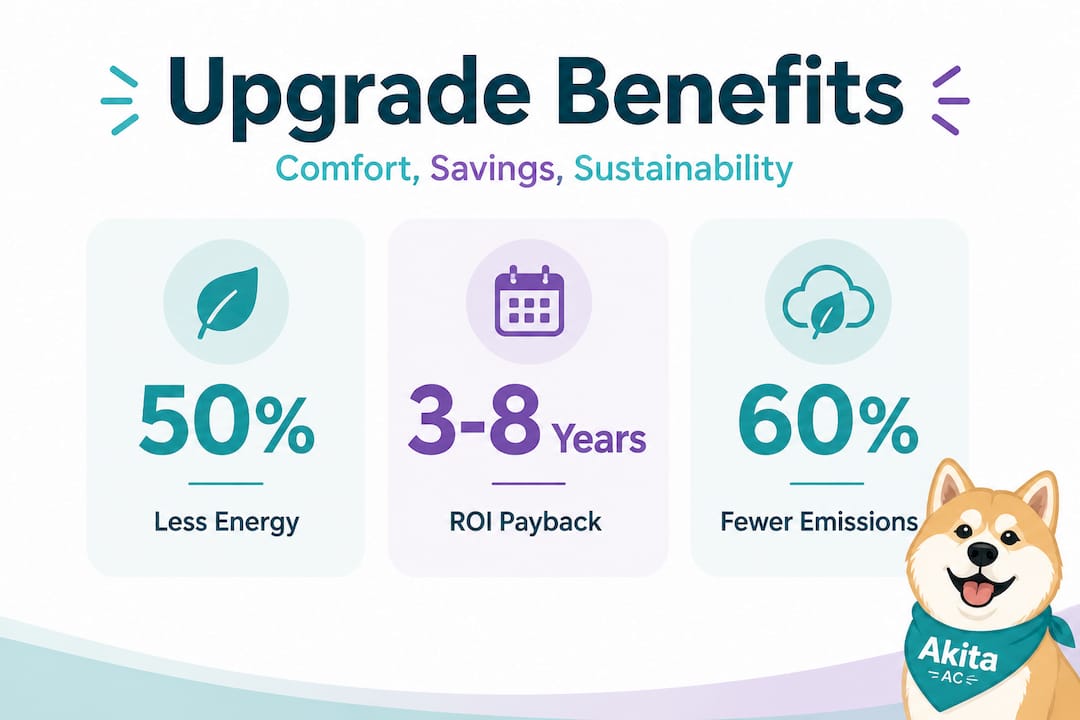
Modern systems have moved on considerably. Inverter-driven units adjust their output continuously rather than cycling on and off, which dramatically reduces energy waste. Air-to-air heat pumps take this further still, extracting heat energy from outside air rather than generating it from scratch. The result is that upgrading for better energy efficiency is no longer a marginal gain. It is a meaningful shift in how your building uses energy.
There are several strong reasons to act sooner rather than later:
- Older systems consume 30 to 50% more electricity for the same output as a modern equivalent.
- HFC refrigerants used in legacy units are being phased out under UK F-Gas regulations, meaning parts and servicing will become increasingly expensive.
- Indoor air quality improves significantly with modern filtration and ventilation features built into newer units.
- Smart controls and zoning allow you to heat or cool only the spaces you are actually using, cutting waste at the source.
- Low-GWP refrigerants such as R32 are now standard in modern systems, reducing the environmental footprint of the refrigerant itself.
“Air-to-air heat pumps deliver a COP of 3 to 5, meaning you get 300 to 500% efficiency compared with direct electric heating, and can reduce carbon emissions by around 75% when replacing fossil fuel systems.”
The wider modern HVAC system benefits go well beyond a lower electricity bill. You get a quieter system, better temperature consistency room to room, and a unit that meets current and forthcoming environmental standards. For businesses in particular, that last point matters. Meeting energy performance targets is increasingly tied to lease values, tenant expectations, and sustainability reporting obligations.
Cutting energy bills and boosting comfort
Let’s put some real numbers on this. A standard older split system running on a fixed-speed compressor might consume 1.5 kW to produce 1.5 kW of cooling. That is a COP of 1. An inverter heat pump doing the same job typically achieves a COP of 3 to 5, meaning for every unit of electricity you put in, you get three to five units of thermal energy out. That is not a small improvement. It is the difference between heating a room for 20p per hour versus 6p.
Here is a straightforward comparison to illustrate the real-world impact across different property types:
| System type | Typical COP | Annual running cost estimate | Carbon reduction vs gas |
|---|---|---|---|
| Old fixed-speed AC | 1.0 to 1.5 | £800 to £1,400 | Negligible |
| Modern inverter split | 2.5 to 3.5 | £450 to £750 | 30 to 40% |
| Air-to-air heat pump | 3.0 to 5.0 | £250 to £500 | Up to 75% |
These are approximate figures for a mid-sized three-bedroom home in the East of England, but the proportional savings hold across most property sizes. Commercial properties with larger floor areas tend to see even steeper absolute savings due to greater overall consumption.
Pro Tip: If your building has poor insulation, tackle that before or alongside your AC upgrade. A heat pump working against heat loss through thin walls or single glazing will underperform, and your payback period will stretch unnecessarily.
For most residential properties, return on investment sits between three and eight years depending on usage patterns, the existing system being replaced, and local electricity tariffs. Commercial users who run systems for longer hours daily often see payback periods closer to three years. Following comfort-focused upgrade tips during the planning stage can shorten that timeline further by ensuring the system is sized correctly from the outset.
Beyond the numbers, the comfort improvement is something most people notice immediately. Cold spots near windows, overheated corners near computers, and the constant hum of an old compressor cycling on and off all disappear. Modern inverter units maintain a set temperature within 0.5 degrees Celsius without the dramatic swings that older systems produce. If you want a fuller picture of what this means day to day, the guide on comfort and energy savings covers real household scenarios in more detail.
Environmental impact: reducing emissions and future-proofing
This is where upgrading stops being purely a financial decision and becomes a responsible one. The refrigerants used in older AC systems, particularly R22 and the HFC family including R410A, carry a global warming potential hundreds to thousands of times greater than carbon dioxide. A single leak from an ageing system can release the equivalent of several tonnes of CO2 into the atmosphere.
Modern systems use refrigerants with dramatically lower GWP. R32, which is now the dominant refrigerant in new residential systems, has a GWP of 675 compared with R410A’s 2,088. That is a 68% reduction in potential climate impact from the refrigerant alone, before you even account for the energy savings. According to a BBC report on efficient AC, upgrading to efficient systems using low-GWP refrigerants can reduce grid strain and cut emissions by 40 to 50%.
Here is a side-by-side look at old versus new refrigerant performance:
| Refrigerant | GWP | Status | Typical system age |
|---|---|---|---|
| R22 | 1,810 | Banned in new systems | Pre-2004 |
| R410A | 2,088 | Being phased down | 2004 to 2020 |
| R32 | 675 | Current standard | Post-2015 |
| R290 (propane) | 3 | Emerging, niche | Newest systems |
The regulatory picture is also shifting fast. The UK F-Gas regulations, which broadly mirror the EU’s phase-down schedule, are tightening the supply of high-GWP refrigerants. This means servicing an older system will become more costly as refrigerant availability drops. Acting now protects you from that price pressure.
Boosting AC efficiency also has a knock-on effect on the grid. When millions of buildings run more efficient systems simultaneously, peak demand falls, which reduces the need for grid operators to fire up less efficient standby generation capacity. Your individual upgrade is part of a larger picture.
Key environmental benefits of upgrading include:
- Reduced refrigerant leak risk due to sealed modern systems and smaller refrigerant charges
- Lower electricity demand per unit of heating or cooling delivered
- Compatibility with renewable energy sources, particularly solar PV
- Compliance with current and forthcoming UK and international climate targets
“The shift away from HFC refrigerants is not optional in the long term. Regulatory pressure and market forces are aligning to make modern, low-GWP systems the only viable choice within the next decade.”
What to look for in your upgrade: features and pitfalls
Knowing you want to upgrade is one thing. Choosing the right system and avoiding common mistakes is another. Here is a practical sequence to follow:
-
Start with a professional survey. Correct system sizing is critical. An oversized unit short-cycles, wasting energy. An undersized one runs constantly and still fails to meet demand. Always get a proper heat loss and gain calculation done before selecting equipment.
-
Prioritise inverter technology. Any new system should use an inverter compressor as a baseline requirement. Fixed-speed units still exist but offer no real advantage over older systems in efficiency terms.
-
Choose low-GWP refrigerants. R32 is a solid, proven choice for most installations. Ask your installer specifically which refrigerant the proposed system uses and what its GWP is.
-
Add smart controls. Wi-Fi enabled thermostats and zone controls let you manage heating and cooling remotely, set schedules, and monitor energy use. The savings from smart controls alone can reach 15 to 20% annually for users who engage with them properly.
-
Investigate available grants. The Boiler Upgrade Scheme currently offers grants that offset costs for qualifying heat pump installations. Eligibility and amounts change, so check current government guidance and ask your installer what applies to your property.
-
Pair with insulation improvements. Upgrading windows and improving wall or loft insulation alongside your AC installation magnifies savings considerably. Resources like window insulation for savings offer practical starting points for reducing heat loss before it reaches your new system.
-
Avoid portable units as a long-term solution. Portable AC units are inefficient, noisy, and not designed for continuous use. They are a stopgap at best. If you are spending money on climate control, a properly installed split system will outperform a portable in every measurable way.
-
Plan your maintenance schedule. Clean filters, serviced coils, and checked refrigerant levels keep your system running at its rated efficiency. Our AC maintenance tips explain how a straightforward annual service can protect both your investment and your savings.
Pro Tip: If you are also considering solar panels, discuss this with your AC installer upfront. Some systems can be configured to prioritise solar generation during peak output hours, further reducing your net energy cost.
The smart buying guide goes deeper on specific product considerations if you want to compare models before speaking to an installer. Similarly, smart energy efficiency tips for window treatments can complement your HVAC upgrade by reducing solar gain in summer, which directly lowers the cooling load on your new system.
What most people miss when upgrading air conditioning
Here is something worth saying plainly. Most people treat an air conditioning upgrade as a product swap. Old unit out, new unit in. Job done. That thinking leaves a significant portion of the potential benefit on the table.
The biggest gains from a new AC system come not from the unit itself but from how it interacts with the rest of the building. A high-efficiency heat pump installed in a poorly insulated room with single-glazed windows will still underperform compared with a mid-range system in a well-sealed envelope. The physics are unforgiving. You cannot fully offset heat loss through inefficient building fabric by simply upgrading the machine that compensates for it.
We see this pattern regularly. A homeowner invests in an excellent system, notices some improvement, but does not achieve the savings or comfort level they expected. Nine times out of ten, the issue traces back to building fabric. Draughty door frames, cold bridging at lintels, insufficient loft insulation. These are not glamorous problems, but fixing them before or alongside your AC upgrade is where the real return on investment sits.
User behaviour matters too. Smart controls are only effective if you actually use them. Systems left running full blast in empty rooms, or set to extreme temperatures because “it heats up fast anyway,” will never deliver their rated efficiency. The technology can do remarkable things, but it responds to how you operate it.
Retrofitting for comfort and efficiency is a topic worth reading before you finalise any upgrade plan. The properties that report the biggest improvements, both in comfort and in bills, consistently follow an integrated approach. They address fabric, then upgrade the system, then optimise controls. That sequence matters. Doing it in reverse order, or skipping the first step entirely, is the most common reason upgrades underdeliver.
The long view is this: a modern AC system is a 15 to 20 year asset. The decisions you make at installation, about sizing, refrigerant, controls, and building fabric, will affect your costs and comfort for two decades. Treating it as a considered investment rather than a reactive purchase is the difference between getting 80% of the benefit and getting all of it.
Ready to upgrade? Our expert installers can help
Understanding what an AC upgrade genuinely involves is the first step. The next is getting professional advice tailored to your specific property and usage.
At Akita, we work with both homeowners and businesses across Suffolk, Norfolk, and Essex to design and install systems that actually deliver on their promise. Whether you are looking at domestic AC installation for your home or need a full assessment for a commercial premises, our accredited engineers take the time to size systems correctly and advise on the full picture, including fabric improvements, grants, and smart controls. If you want a straightforward starting point, our fixed price AC install option removes the uncertainty from budgeting. For larger sites, our commercial AC services cover everything from initial survey through to ongoing maintenance contracts.
Frequently asked questions
How much can I save by upgrading my air conditioning?
Upgrading to a modern heat pump or inverter system can cut your energy costs by up to 50%, with a typical payback period of three to eight years depending on your usage and property type.
Which refrigerants are best for energy-efficient air conditioning?
Look for systems using R32 or other low-GWP refrigerants rather than legacy HFCs. As highlighted in the BBC’s coverage of AC emissions, switching refrigerant type is one of the fastest ways to reduce the environmental impact of your climate control.
Are there grants to help cover the cost of upgrading?
Yes, UK homeowners may be eligible for the Boiler Upgrade Scheme, which can offset a significant portion of installation costs. The Nesta heat pump report provides useful context on how these incentives align with broader heat pump adoption.
What is the difference between an inverter and a standard AC unit?
Inverter ACs continuously vary their output to match demand, which saves energy and maintains a steadier temperature. Standard units cycle on and off at full power, which is less efficient and less comfortable over time.
Will upgrading help reduce my carbon footprint?
Yes. A modern system can reduce your emissions by 40 to 75%, with air-to-air heat pumps at the top end of that range, and efficient lower-GWP units delivering 40 to 50% reductions even without replacing fossil fuel heating entirely.
Recommended
- Why upgrade air conditioning for better home energy efficiency – Akita AC
- Top tips to upgrade your home HVAC for better comfort – Akita AC
- Why Upgrade HVAC Systems – Greater Comfort, Lower Costs – Akita AC
- Energy Efficient Air Conditioning: Cost, Comfort, and Eco Impact – Akita AC
- Why upgrade your pool pump? Save 80% on energy costs