

UK AC Maintenance Guide 2026: Cut Energy Use by 20%
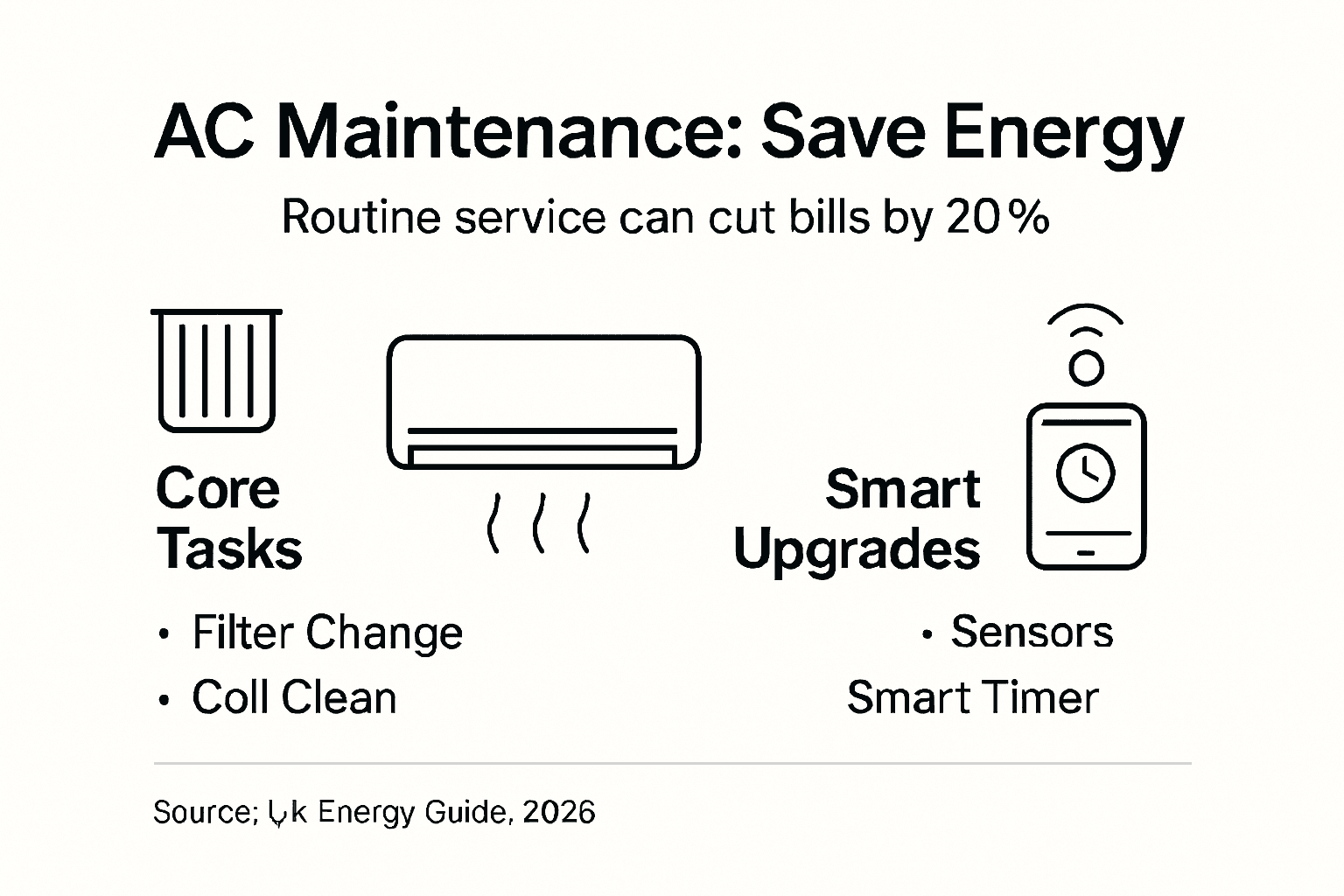
Many UK homeowners assume air conditioning maintenance is optional, but regular servicing can cut energy usage by 20%. With rising summer temperatures across Suffolk, Norfolk, and Essex, keeping your AC system running efficiently isn’t just about comfort; it’s about protecting your budget and meeting evolving UK regulations. This guide delivers practical, UK-focused maintenance strategies, schedules, compliance requirements, and cost benefits to help you maximize system performance and minimize energy bills.
Table of Contents
- Introduction To Air Conditioning Maintenance In The UK
- Why Regular Air Conditioning Maintenance Matters In The UK
- Core Maintenance Tasks To Improve Energy Efficiency
- Modern Refrigerants And Sustainable Maintenance Practices
- Maintenance Frequency And Scheduling
- Regulatory Requirements And Compliance
- Cost-Benefit Analysis Of Preventive Maintenance
- Energy Efficiency Through Smart Maintenance And Controls
- Summary And Practical Maintenance Tips For Suffolk, Norfolk, And Essex Homeowners
- Explore Our Expert Air Conditioning Maintenance Services
Key Takeaways
| Point | Details |
|---|---|
| Energy savings | Regular maintenance reduces consumption by up to 20% and extends AC lifespan by up to 10 years. |
| Legal compliance | UK law mandates certified F-Gas leak inspections and refrigerant management for all AC systems. |
| Essential tasks | Filter cleaning, refrigerant checks, and coil cleaning maintain efficiency and air quality. |
| Cost comparison | Preventive servicing costs around £200 annually, far less than emergency repairs. |
| Smart integration | Combining smart controls with maintenance can save up to £400 per year on energy bills. |
Introduction to Air Conditioning Maintenance in the UK
UK summers are warming, driving increased reliance on air conditioning systems in homes and managed properties throughout Suffolk, Norfolk, and Essex. Rising UK summer temperatures increase AC usage and regulatory shifts in 2026 emphasize sustainable HVAC maintenance. New 2026 regulations focus on sustainability and environmental compliance, directly affecting maintenance schedules and legal responsibilities for homeowners and property managers. Neglecting routine maintenance doesn’t just inconvenience you. It triggers efficiency loss, higher bills, unexpected breakdown costs, and possible legal penalties.
Ignoring AC maintenance creates compounding problems:
- Increased energy costs from reduced system efficiency
- Shortened equipment lifespan requiring premature replacement
- Poor indoor air quality affecting occupant health and comfort
- Regulatory fines for non-compliance with UK environmental laws
Understanding these impacts helps you prioritize maintenance as a strategic investment rather than an optional expense. Proper upkeep keeps your system running smoothly, your energy bills manageable, and your home compliant with UK air conditioning regulations.
Why Regular Air Conditioning Maintenance Matters in the UK
Routine maintenance can improve system efficiency by 20%, translating directly into lower energy bills. When filters become clogged or dirty, your AC unit works harder to move air, increasing consumption by 5 to 15%. This affects both comfort and costs, especially during peak summer months when you rely on cooling most.
Servicing significantly extends system life from typical 10 years up to 15 to 20 years in some cases. Equipment that receives consistent professional attention runs cleaner, experiences fewer component failures, and maintains optimal performance longer. This longevity reduces the frequency of expensive replacements and maximizes your initial investment.
Pro Tip: Schedule servicing before peak summer use to maximize comfort and avoid breakdowns during heatwaves.
Regular maintenance also helps you avoid legal risks by ensuring compliance with UK environmental laws. Certified professionals verify refrigerant levels, check for leaks, and document system condition, creating the audit trail required by regulators. Benefits of regular HVAC maintenance extend beyond energy savings to include:
- Consistent indoor air quality for healthier living spaces
- Reduced risk of costly emergency repairs during peak seasons
- Maintained manufacturer warranties requiring proof of professional servicing
- Lower environmental impact through efficient resource use
Core Maintenance Tasks to Improve Energy Efficiency
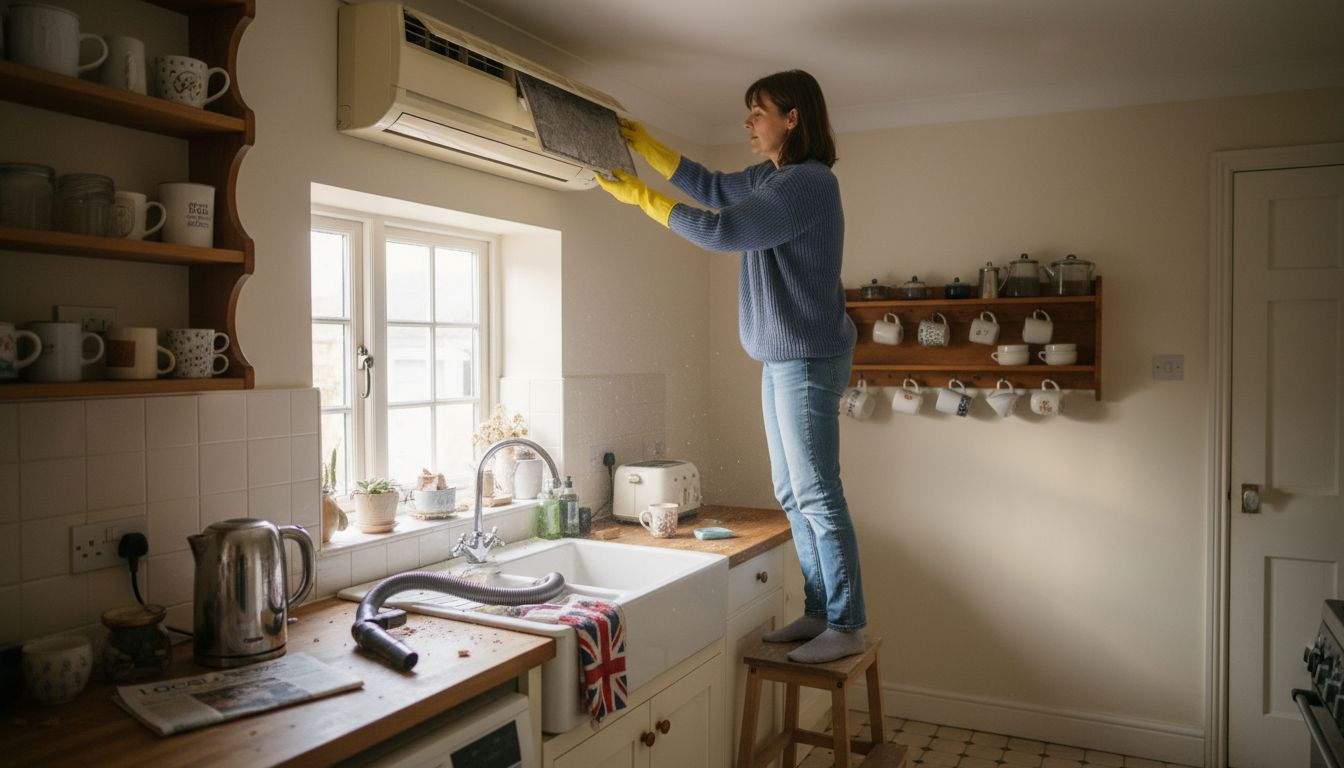
Filter cleaning prevents 5 to 15% extra energy consumption while maintaining indoor air quality. Dirty filters restrict airflow, forcing your system to work harder and use more power. Clean filters allow proper circulation, reduce strain on components, and trap dust, pollen, and allergens before they circulate through your home.
Refrigerant leak checks are mandatory under UK F-Gas regulations to avoid efficiency loss and environmental harm. Low refrigerant levels reduce cooling capacity, increase compressor workload, and can damage expensive components. Certified technicians use specialized equipment to detect leaks, repair them promptly, and recharge systems to manufacturer specifications.
Coil cleaning improves heat exchange efficiency, reducing power usage and prolonging system lifespan. Outdoor condenser coils collect dirt, leaves, and debris that insulate the coil and prevent heat dissipation. Indoor evaporator coils accumulate dust and biological growth that impair cooling performance. Professional cleaning restores optimal heat transfer and prevents corrosion.
Pro Tip: Use filter replacement reminders aligned with UK home environments, especially with pets or allergies.
Maintenance complexity varies between system types. Single split units require straightforward filter changes and coil cleaning. Multi-split and ducted systems demand more extensive attention, including ductwork inspection, multiple indoor unit servicing, and complex refrigerant management. Following a residential HVAC maintenance checklist ensures no critical tasks are overlooked. Key tasks include:
- Monthly filter inspection and cleaning or replacement
- Annual professional refrigerant level checks and leak detection
- Biannual coil cleaning for outdoor and indoor units
- Seasonal condensate drain inspection to prevent blockages
- Regular electrical connection tightening and control calibration
Modern Refrigerants and Sustainable Maintenance Practices
Older refrigerants have high global warming potential (GWP), contributing significantly to climate change when released. Low-GWP refrigerants like R290 and CO2 have GWP of 1, making them environmentally preferable choices favored in the UK to replace older high-GWP types. UK regulations mandate transitioning to low-GWP refrigerants to reduce national carbon footprint and meet international climate commitments.
Sustainable maintenance includes proper refrigerant handling, leak prevention, and responsible disposal. Technicians must capture and recycle refrigerants rather than venting them to atmosphere. This protects the environment while ensuring compliance with strict UK laws governing fluorinated gases.
| Refrigerant Type | GWP Value | Regulatory Status | Common Uses |
|---|---|---|---|
| R410A | 2088 | Being phased out | Older residential systems |
| R32 | 675 | Permitted, transitional | Modern split systems |
| R290 (Propane) | 3 | Preferred, growing | New installations |
| CO2 (R744) | 1 | Preferred, specialized | Commercial applications |
Emphasizing environmental and compliance advantages makes maintenance a responsibility beyond personal comfort. Choosing energy efficient cooling UK systems with sustainable refrigerants and maintaining them properly contributes to national climate goals. Property managers and homeowners who prioritize sustainable practices position themselves ahead of future regulatory changes while demonstrating environmental leadership.
Maintenance Frequency and Scheduling
Annual professional servicing is standard for all UK residential AC units to ensure compliance and efficiency. This schedule meets minimum legal requirements while providing adequate attention for typical residential use patterns. Most manufacturers also require annual professional maintenance to maintain warranty coverage, making it financially prudent.
Biannual servicing is advised for homes with pets, allergy sufferers, or heavy use to maintain air quality. Pets shed fur and dander that accelerate filter clogging. Allergy sufferers benefit from more frequent filter changes and coil cleaning to minimize airborne irritants. Heavy use during extended warm periods increases wear and contamination.
Factors influencing schedule include:
- Property type and size affecting system workload
- Occupancy levels and daily usage patterns
- Presence of pets or individuals with respiratory sensitivities
- Local air quality and environmental conditions
- System age and historical performance issues
To set up an effective maintenance schedule:
- Identify your property’s specific needs based on occupancy and usage.
- Contact certified UK professionals familiar with local regulations.
- Schedule initial comprehensive inspection to establish baseline condition.
- Arrange regular service appointments aligned with manufacturer recommendations.
- Document all service visits and keep records for warranty and compliance.
Pro Tip: Integrate service reminders with smart home systems to never miss appointments.
Regulatory Requirements and Compliance
UK law mandates certified F-Gas leak checks for AC systems containing fluorinated gases to ensure environmental safety and compliance. These inspections verify system integrity, detect refrigerant leaks, and document proper handling practices. Frequency depends on refrigerant charge size, with larger systems requiring more frequent checks.
Energy Performance of Buildings (EPB) regulations require efficiency inspections impacting maintenance obligations. Systems over 12kW cooling capacity need regular inspections assessing overall performance, control settings, and component condition. Inspectors provide recommendations for improving efficiency and reducing environmental impact.
Non-compliance risks include fines, environmental damage, and warranty voidance. Regulatory penalties for improper refrigerant handling or missing inspections can reach thousands of pounds. Environmental damage from leaked refrigerants harms climate and violates UK commitments. Manufacturer warranties become void without documented professional maintenance, leaving you financially exposed.
Compliance requirements include:
- Using only certified F-Gas technicians for refrigerant work
- Maintaining detailed service records and inspection certificates
- Scheduling inspections according to system size and refrigerant type
- Reporting refrigerant quantities and leak incidents as required
- Ensuring proper disposal of old equipment and recovered refrigerants
Keeping records and certificates after each service creates the audit trail demonstrating UK HVAC maintenance compliance. Store documents securely for at least five years, as regulators can request them during inspections. Digital copies provide backup protection against loss.
Cost-Benefit Analysis of Preventive Maintenance
Annual servicing costs approximately £200 compared to emergency repair bills that can reach £500 or more for component failures. Preventive maintenance identifies issues before they cause breakdowns, avoiding urgent callout fees, rush parts orders, and inconvenient system downtime. This predictability helps you budget effectively.
Proper maintenance reduces power consumption, cutting annual energy costs noticeably, often by 10 to 20%. A typical UK household spending £150 monthly on cooling during summer can save £30 monthly through maintained efficiency. Over a 15-year system lifespan, these savings significantly exceed maintenance costs.
| Aspect | Preventive Maintenance | Emergency Repairs |
|---|---|---|
| Annual cost | £200 typical service | £500+ per incident |
| Scheduling | Planned, convenient | Urgent, disruptive |
| System efficiency | Maintained at peak | Degraded until fixed |
| Equipment lifespan | Extended 5 to 10 years | Shortened by neglect |
| Energy consumption | Optimized, predictable | Elevated, variable |
Financial benefits include:
- Longer equipment life reducing replacement frequency
- Fewer unexpected breakdowns minimizing emergency costs
- Stable energy consumption simplifying budget planning
- Maintained property value through well-functioning systems
- Lower insurance premiums for properties with documented maintenance
Avoiding unplanned downtime keeps occupant comfort and budget stable. Summer heatwaves already strain AC systems. A breakdown during peak demand means delayed repairs, uncomfortable living conditions, and premium pricing. Preventive care eliminates these scenarios through proactive attention. Understanding HVAC maintenance cost benefits helps justify the investment.
Energy Efficiency Through Smart Maintenance and Controls
Smart occupancy sensors adjust AC runtime, reducing waste during low occupancy. These devices detect when rooms are empty and automatically adjust temperature setpoints or switch to eco mode. Combined with proper maintenance, sensors maximize savings by ensuring the system runs efficiently only when needed.
Proper maintenance ensures sensors and controls function optimally to deliver promised savings. Dirty filters or refrigerant issues reduce cooling capacity, forcing smart controls to run systems longer to achieve target temperatures. Clean, well-maintained equipment responds quickly, allowing controls to minimize runtime effectively.
Combining maintenance and smart tech can save homeowners up to £400 per year on energy bills. Smart thermostats learn occupancy patterns and weather forecasts, preemptively adjusting settings. Zoning controls direct cooling only to occupied areas. These technologies multiply the efficiency gains from regular servicing, creating compound savings.
Benefits and practical tips include:
- Installing programmable thermostats to match daily routines
- Using smartphone apps for remote temperature control
- Enabling geofencing to adjust settings based on home presence
- Integrating with home automation for coordinated energy management
- Monitoring real-time energy use to identify optimization opportunities
Pro Tip: Regularly update firmware and schedule sensor calibration during maintenance visits.
Smart controls provide data revealing system performance trends. Monitoring energy consumption patterns helps identify when maintenance is needed before efficiency drops noticeably. This proactive approach enhances the benefits of both technology and professional servicing. Learn more about energy efficient HVAC UK solutions.
Summary and Practical Maintenance Tips for Suffolk, Norfolk, and Essex Homeowners
Recommend regular servicing every 6 to 12 months depending on usage and presence of pets or allergies. Annual service meets minimum requirements for typical homes. Biannual service better suits properties with higher demands or occupant sensitivities. Consistency matters more than perfection; establishing a routine ensures your system receives necessary attention.
Focus on filter changes, refrigerant checks, and coil cleaning to optimize performance and compliance. These core tasks deliver the greatest efficiency and reliability benefits. Homeowners can handle monthly filter inspection and cleaning. Professional technicians should perform refrigerant and coil work requiring specialized tools and certifications.
Ensure all work is done by UK certified professionals familiar with F-Gas and EPB rules. Certification guarantees technicians understand current regulations, use proper equipment, and maintain required records. This protects you legally and ensures quality workmanship. Verify credentials before hiring any service provider.
Key actions include:
- Scheduling maintenance appointments before summer peak demand
- Keeping detailed records of all service visits and inspections
- Addressing identified issues promptly to prevent escalation
- Considering maintenance plans offering scheduled service and priority support
- Exploring smart control integration for additional energy savings
Consider integrating smart controls for additional energy savings and comfort. Technology complements professional maintenance by optimizing daily operation between service visits. Together, they create a comprehensive approach maximizing efficiency, comfort, and system longevity. Regional service options include Suffolk AC services and Essex AC services tailored to local conditions.
Explore Our Expert Air Conditioning Maintenance Services
Akita AC offers comprehensive maintenance plans specifically designed for homeowners and property managers throughout Suffolk, Norfolk, and Essex. Our certified technicians ensure full compliance with UK F-Gas regulations and Energy Performance of Buildings standards while optimizing your system’s efficiency and comfort. We provide transparent pricing, flexible scheduling, and detailed documentation to simplify your maintenance responsibilities. Ready to reduce energy costs and extend system life? Explore our Suffolk air conditioning services, Essex air conditioning services, or learn about our HVAC maintenance plans UK to find the right solution for your property.
Frequently Asked Questions
What is the recommended frequency for AC maintenance in UK homes?
Annual professional servicing meets minimum requirements for most residential properties. Homes with pets, allergy sufferers, or heavy system use benefit from biannual maintenance to maintain air quality and efficiency.
Are F-Gas leak checks mandatory for all air conditioning systems?
Yes, UK law requires certified F-Gas leak inspections for all systems containing fluorinated refrigerants. Inspection frequency depends on refrigerant charge size, with larger systems needing more frequent checks.
How can regular maintenance improve my home’s air quality?
Clean filters trap dust, pollen, and allergens before they circulate through your home. Regular coil cleaning prevents mold and bacterial growth that can compromise indoor air quality and occupant health.
What are the benefits of using low-GWP refrigerants in my AC system?
Low-GWP refrigerants like R290 and CO2 have minimal climate impact compared to older types. They comply with current UK environmental regulations and future-proof your system against tightening restrictions.
Can smart controls really reduce energy bills when combined with maintenance?
Yes, combining maintained equipment with smart sensors and thermostats can save up to £400 annually. Efficient systems respond quickly to control signals, allowing smart technology to minimize unnecessary runtime effectively.
How do I choose a qualified AC maintenance provider in my area?
Verify technicians hold current F-Gas certifications and understand Energy Performance of Buildings regulations. Check customer reviews, ask for documentation practices, and confirm they service your specific system type and brand.