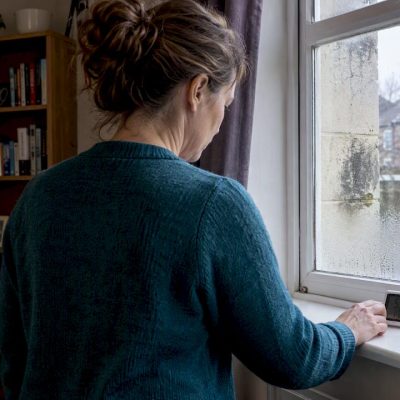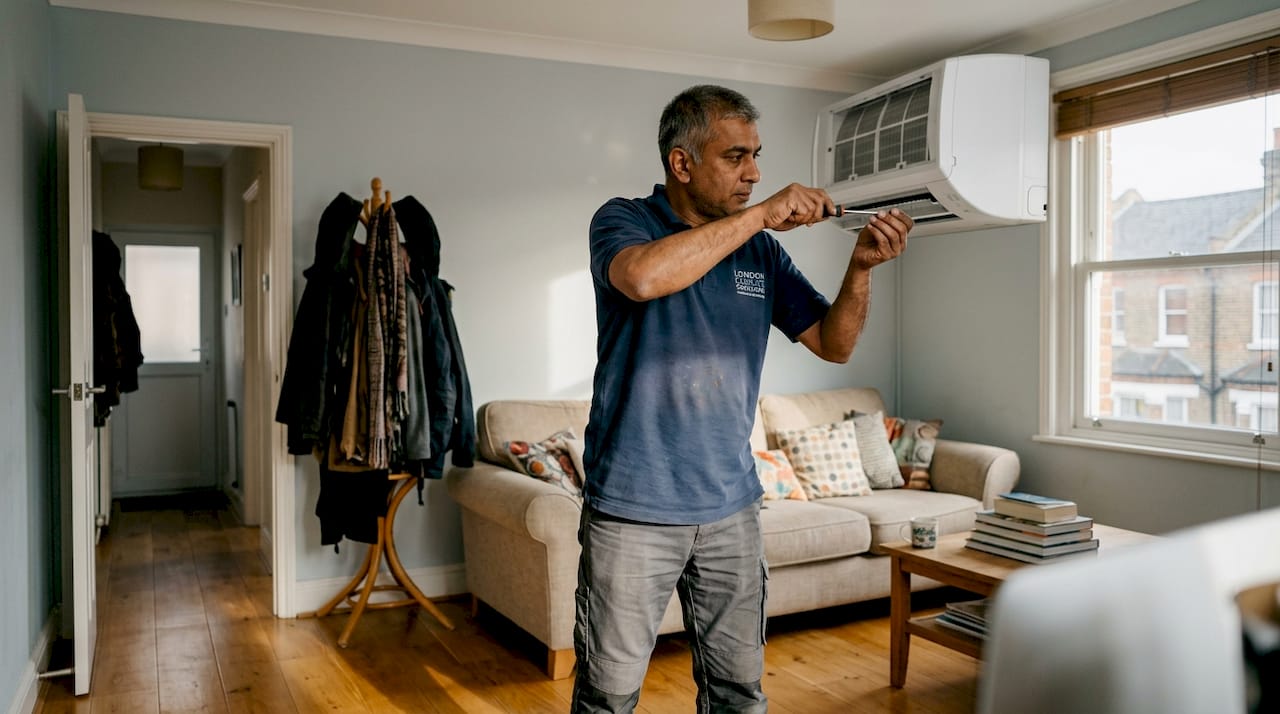
Many homeowners and businesses assume that simply having an air conditioning (heating, ventilation, and air conditioning) system means their indoor air is clean and healthy. That assumption can be costly. The truth is that not all systems are built equally, and without the right combination of air circulation, filtration, and humidity management, even a modern unit can circulate pollutants rather than remove them. This guide breaks down exactly what makes an air conditioning system genuinely effective for indoor air quality (IAQ), how different system types compare, and what practical steps you can take to protect your home or workplace.
Table of Contents
- What is indoor air quality and why does it matter?
- How air conditioning systems affect indoor air quality
- Key types of air conditioning solutions for UK buildings
- Maximising air quality and efficiency with proper air conditioning installation and maintenance
- How energy-efficient air conditioning aligns with UK energy and climate goals
- Discover the right air conditioning solution for your home or business
- Frequently asked questions
Key Takeaways
| Point | Details |
|---|---|
| Filtration matters most | Upgrading to an ePM1-rated or HEPA filter significantly boosts indoor air quality. |
| MVHR delivers full benefits | MVHR systems provide filtered fresh air, recover heat, and improve energy efficiency. |
| Routine maintenance is vital | Clean filters and regular servicing keep air clean and systems cost-effective. |
| Energy savings align with IAQ | Installing energy-efficient air conditioning can cut heating bills and carbon emissions while improving air quality. |
What is indoor air quality and why does it matter?
Indoor air quality refers to the condition of the air inside a building, specifically how it affects the health and comfort of the people who occupy it. Most people spend over 90% of their time indoors, yet indoor air can be two to five times more polluted than outdoor air. That gap matters enormously for your wellbeing.
Common indoor pollutants include:
- Dust and particulate matter from carpets, furniture, and outdoor sources
- Volatile organic compounds (VOCs) released by paints, cleaning products, and synthetic materials
- Mould spores triggered by excess moisture
- Carbon dioxide (CO2) from occupants breathing in poorly ventilated spaces
- Allergens such as pet dander and pollen
Poor IAQ is linked to headaches, fatigue, respiratory problems, and reduced concentration. In workplaces, it directly affects productivity and staff absence rates. In homes, it can worsen asthma and allergy symptoms, particularly for children and older adults.
“The air inside your building is only as clean as the system managing it. Filtration, ventilation, and humidity control are not optional extras, they are the foundation of healthy indoor environments.”
A well-configured air conditioning system addresses all of these risks. As research confirms, effective air conditioning reduces particulate matter, humidity, and common indoor pollutants when properly specified and maintained. Understanding Air conditioning and comfort in UK homes is the first step towards making an informed decision.
How air conditioning systems affect indoor air quality
With the stakes for IAQ and health clear, let us look at the real mechanics of how your building’s air conditioning system addresses these risks.
At its core, an air conditioning system moves air. It draws stale, polluted air out of a space and replaces it with conditioned air. The quality of that process depends on three factors: how well the system circulates air, how effectively it filters particles, and how precisely it manages humidity.
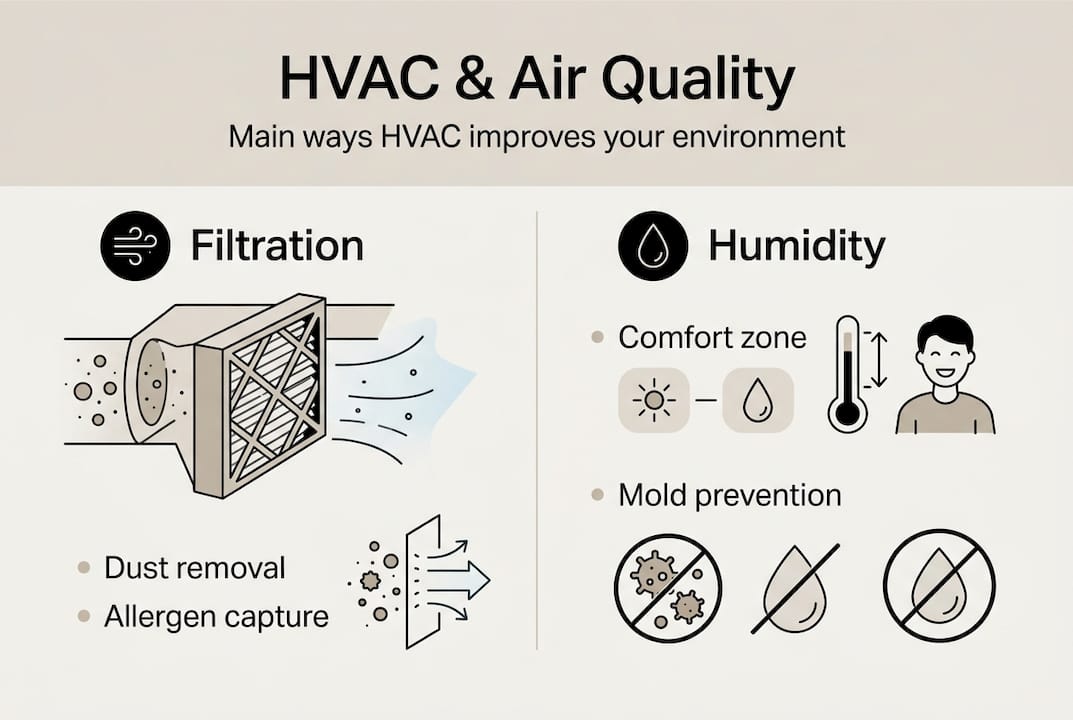
Filtration grades are one of the most important variables. Filters are rated using the ISO 16890 (Minimum Efficiency Reporting Value) scale. Here is how the main grades compare:
| Filter type | ISO 16890 rating | What it captures | Best suited for |
|---|---|---|---|
| Standard panel filter | ISO 16890 1 to 4 | Large dust, lint | Basic residential use |
| Mid-range pleated filter | ISO 16890 ePM10 to ePM2.5 | Dust mites, mould spores | Most homes and offices |
| High-efficiency filter | ePM1-rated+ | Bacteria, fine particles | Allergy sufferers, commercial |
| HEPA filter | N/A (equivalent) | 99.97% of 0.3μm particles | Medical, high-sensitivity spaces |
Humidity control is equally critical. The ideal indoor relative humidity (RH) sits between 30% and 50%. Below 30%, air becomes dry and irritating to airways. Above 50%, mould and dust mites thrive. A properly specified air conditioning system maintains this balance automatically, which is why upgrading your air conditioning for air quality often delivers immediate health benefits.
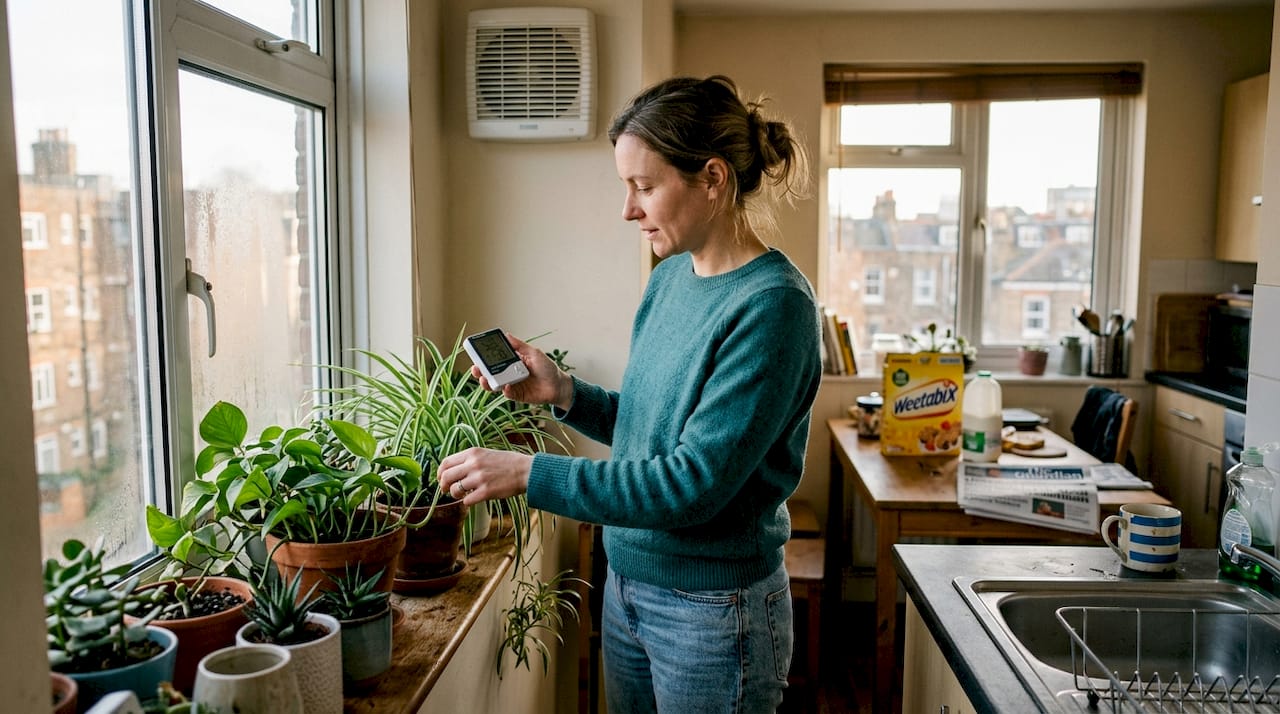
Pro Tip: Even the best filter performs poorly if it is clogged. Check filters every one to three months and replace them on schedule. A blocked filter forces the system to work harder, cutting both air quality and energy-efficient air conditioning performance simultaneously.
Key types of air conditioning solutions for UK buildings
You know the mechanics, now let us break down which system actually delivers those benefits for UK homes and businesses.
There are four main system types relevant to UK properties:
- Traditional air conditioning (AC): Cools and filters recirculated air. Good for temperature control and basic dust reduction, but limited for fresh air supply.
- MVHR (Mechanical Ventilation with Heat Recovery): Continuously supplies filtered fresh air while recovering heat from outgoing stale air. The gold standard for IAQ and energy efficiency.
- MEV (Mechanical Extract Ventilation): Extracts stale air from wet rooms. Lower cost but no heat recovery and limited whole-building filtration.
- PIV (Positive Input Ventilation): Pushes filtered air from the loft into the home. Affordable and effective against condensation, but less precise than MVHR.
Here is how these systems compare across the metrics that matter most:
| System | Pollutant reduction | Heating savings | SAP/EPC impact | Typical cost range |
|---|---|---|---|---|
| Standard AC | Moderate | Minimal | Low | £1,500 to £3,500 |
| PIV | Low to moderate | Low | Minimal | £500 to £1,500 |
| MEV | Moderate | Low | Low | £800 to £2,000 |
| MVHR | Up to 30% reduction | 15 to 30% | Up to 10 SAP points | £3,000 to £7,000 |
MVHR stands out because it recovers 90 to 95% of heat from outgoing air, meaning you are not losing warmth every time the system ventilates. For UK homes targeting better EPC ratings or Future Homes Standard compliance, this makes MVHR a compelling long-term investment. MEV and PIV are viable for tighter budgets but offer less filtration and efficiency by comparison.
Exploring the full range of air conditioning system types for UK homes and energy-efficient air conditioning choices will help you match the right solution to your specific building and budget.
Comparing air conditioning and MVHR for air quality and energy savings
Still not sure which system fits your space? Here is a concise comparison tailored to real UK building needs.
Air conditioning works well when your primary goal is temperature control and you already have adequate natural ventilation. It filters recirculated air and reduces humidity, which helps with dust and mould. However, AC recirculates without fresh air supply, meaning VOCs and CO2 can accumulate over time in tightly sealed rooms.
MVHR is the better choice when:
- Your property is well-insulated or airtight (new builds, retrofitted homes)
- Occupants have asthma, allergies, or respiratory sensitivities
- You want to improve your EPC rating for compliance or resale value
- You are looking for long-term heating bill reductions alongside IAQ gains
AC is sufficient when:
- The building has good natural ventilation already in place
- The primary need is cooling rather than whole-building air management
- Budget constraints make a full MVHR installation impractical right now
Pro Tip: Do not size your system purely for peak summer heat. Ventilation capacity and filtration requirements should drive the specification. An undersized ventilation system will struggle to maintain IAQ even if the cooling output looks adequate on paper. Consider upgrading your AC for efficiency as part of a broader IAQ strategy.
Maximising air quality and efficiency with proper air conditioning installation and maintenance
Once you have chosen your air conditioning solution, the next step is making sure it performs for years to come.
Poor installation is one of the most common reasons air conditioning systems underdeliver on both energy and IAQ goals. The most frequent pitfalls include:
- Incorrect system sizing: Too large and the system short-cycles, failing to dehumidify properly. Too small and it runs constantly without achieving target conditions.
- Poor ductwork design: Leaky or poorly routed ducts allow pollutants to enter the air stream and reduce efficiency significantly.
- Inadequate commissioning: Systems that are not properly balanced and tested at installation rarely perform to their rated specification.
- Wrong filter specification: Fitting a filter that is too restrictive for the fan can reduce airflow and strain the motor.
Ongoing maintenance is just as important as the initial installation. As scheduled filter and system maintenance confirms, neglecting upkeep undermines both energy performance and air quality over time.
“A well-maintained air conditioning system is not just cleaner, it is cheaper to run. Dirty coils, blocked filters, and unchecked refrigerant levels can increase energy consumption by up to 25%.”
Routine tasks to keep on your schedule include filter replacements every one to three months, annual coil cleaning, duct inspections every three to five years, and refrigerant checks by a qualified engineer. Investing in maintenance for energy savings pays dividends in lower bills and fewer breakdowns. The benefits of air conditioning maintenance for UK homeowners are well documented, and a structured AC maintenance guide can help you cut energy use by up to 20%.
How energy-efficient air conditioning aligns with UK energy and climate goals
Maintaining air quality is just one benefit. Let us see how the latest systems help meet bigger national energy goals.
The UK’s Standard Assessment Procedure (SAP) is the government’s method for rating the energy performance of homes. It feeds directly into EPC (Energy Performance Certificate) ratings, which affect mortgage eligibility, rental compliance, and property value. The Future Homes Standard, coming into full effect in 2025 and 2026, requires new builds to produce 75 to 80% fewer carbon emissions than current regulations allow.
Energy-efficient air conditioning plays a direct role in meeting these targets. MVHR can reduce heating bills by 15 to 30%, cut CO2 output, and improve SAP and EPC ratings in a measurable way.
Here is how energy-efficient air conditioning supports broader goals:
- Lower energy bills: Reduced demand for heating and cooling translates directly into monthly savings
- Improved EPC ratings: Better ratings support compliance with rental regulations and increase property appeal
- Reduced carbon footprint: Lower energy consumption means fewer emissions, supporting the UK’s net-zero ambitions
- Healthier occupants: Better IAQ reduces sick days, GP visits, and long-term health costs
- Future-proofing: Systems specified to current standards are less likely to require costly upgrades as regulations tighten
“Energy efficiency and indoor air quality are not competing priorities. The right air conditioning system delivers both simultaneously, making it one of the most impactful investments a UK homeowner or business can make.”
Exploring air conditioning and energy savings for UK homes gives you a fuller picture of how these systems align with both your comfort and your compliance obligations.
Discover the right air conditioning solution for your home or business
Choosing the right system is straightforward when you have expert guidance behind you. At Akita Air Conditioning, we work with homeowners and businesses across Suffolk and north Essex to specify, install, and maintain air conditioning systems that genuinely deliver on air quality and energy efficiency. Whether you need domestic air conditioning for a family home or a fully specified commercial air conditioning solution for your workplace, we tailor every recommendation to your building, your budget, and your IAQ goals.
Frequently asked questions
What air conditioning filter rating is best for air quality?
An ePM1-rated or higher filter, or a HEPA equivalent, is the best choice for most homes and workplaces, as these capture 99.97% of fine particles as small as 0.3 micrometres.
Does standard air conditioning improve IAQ in UK homes?
Standard air conditioning reduces dust and humidity, but without fresh air ventilation it can allow VOCs and CO2 to build up in well-sealed rooms over time.
How does MVHR improve energy efficiency and air quality?
MVHR continuously supplies filtered fresh air while recovering 90 to 95% of heat from outgoing stale air, reducing indoor pollutants by up to 30% and cutting heating bills significantly.
Will changing filters really make a difference?
Absolutely. A clogged filter reduces both air quality and system efficiency dramatically, forcing the unit to work harder while delivering worse results for the air you breathe.
Recommended
- What is air conditioning? A UK guide to efficient climate control 2026 – Akita AC
- Step by step air conditioning maintenance for energy savings in 2026 – Akita AC
- Guide to choosing an energy efficient air conditioning system UK 2026 – Akita AC
- Why Upgrade Air Conditioning Systems – Greater Comfort, Lower Costs – Akita AC
Speak to Akita Air Conditioning
Find out more about our air conditioning installation, or see how we work with homes and businesses in Suffolk and the surrounding area.
Ready to talk about your property? Book a free survey and one of our engineers will assess your space and recommend the right system for it.