

Energy efficient cooling tips for UK homeowners
TL;DR:
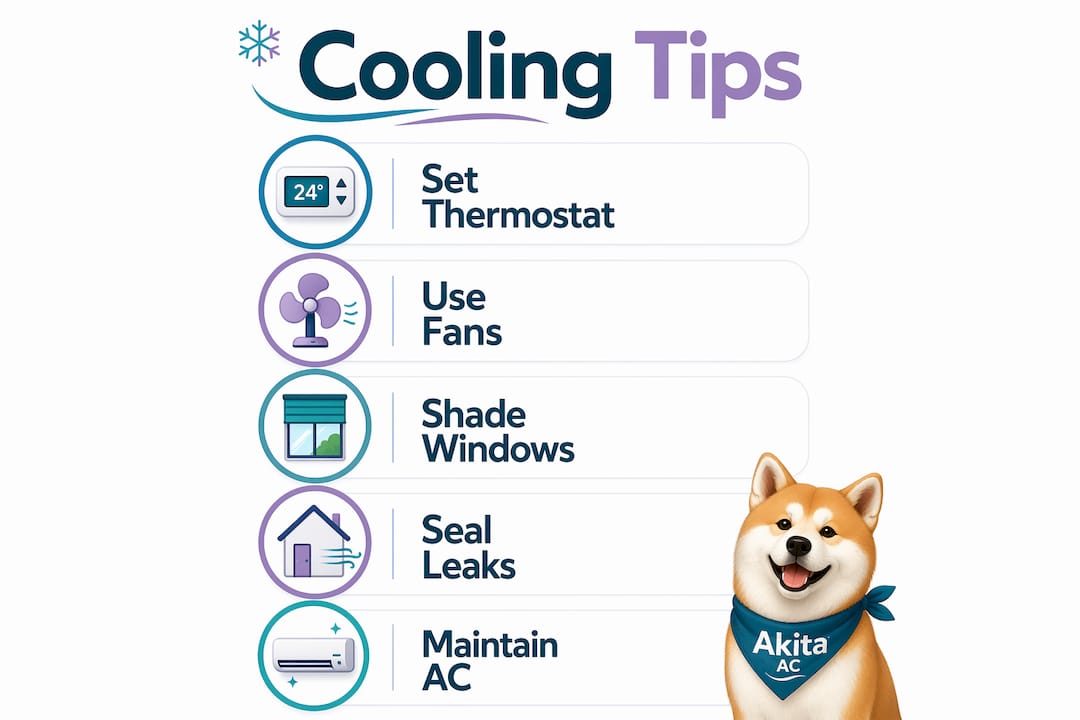
- Maintaining a comfortable home during warm weather requires combining passive heat reduction, proper thermostat management, and efficient appliances. Simple habits, such as setting thermostats at 26°C, using fans correctly, and sealing air leaks, significantly cut cooling costs. These strategies maximize system efficiency and can be easily implemented by homeowners and renters alike.
Energy efficient cooling tips are practical actions that cut electricity consumption while keeping your home comfortable during warm weather. The standard industry term for this discipline is demand-side energy management, and it covers everything from thermostat settings and fan placement to insulation and appliance choice. Applied together, these strategies can meaningfully reduce your summer electricity bills without sacrificing comfort. Tools like ENERGY STAR-rated appliances, smart thermostats, and LED lighting are the building blocks of any effective home cooling plan.
What are the best energy efficient cooling tips for your home?
The single most effective starting point is your thermostat. Setting your thermostat to 26°C (78°F) can reduce cooling energy costs by up to 10% annually, with roughly 3% savings for every degree you raise above 22°C (72°F). That means a six-degree adjustment alone could cut your cooling bill by close to 18%. Most homeowners set their thermostats far lower than necessary, which is the single most common and costly mistake.
Beyond the thermostat, the most effective approach combines passive cooling strategies, such as shading and insulation, with well-maintained mechanical systems and consistent daily habits. Passive cooling lowers the heat entering your home before your air conditioning unit even switches on. That reduces the total load on your system and extends its working life.
How can you optimise your thermostat settings for efficient cooling?
Thermostat management is where most homeowners leave money on the table. A few specific practices make a measurable difference.
- Set a consistent temperature. Consistent thermostat setpoints yield greater efficiency than aggressive cooling cycles. The myth that cranking the thermostat down cools your home faster is widespread and expensive.
- Raise the temperature when you are away. Turning AC off entirely during hot or humid weather forces the system to work harder on restart. Raising the setpoint by a few degrees while you are out is more efficient than switching it off.
- Keep heat sources away from the thermostat. Thermostats placed near lamps, televisions, or computers read false high temperatures and trigger unnecessary cooling cycles. Keep your thermostat at least 1 metre away from any heat-producing device.
- Use a smart thermostat. Smart thermostats can save £40–£60 annually by scheduling AC usage and shifting energy use away from peak periods. Brands like Nest and Hive are widely available in the UK and integrate with most modern split systems.
Pro Tip: Programme your smart thermostat to raise the temperature by 3–4°C during your working hours. You will not notice the difference when you are out, but your electricity meter will.
Automated thermostat programmes remove the need for manual adjustments entirely. They are particularly useful for renters who cannot make structural changes to a property but still want to reduce HVAC costs without any physical work.
What role do fans and ventilation play in reducing cooling energy use?
Fans do not cool rooms. They cool people by creating a wind-chill effect on skin. That distinction matters because it changes how you use them.
- Run ceiling fans counter-clockwise in summer. Ceiling fans set to counter-clockwise push air downward and create a breeze that makes a room feel several degrees cooler. This lets you raise your thermostat setting without any loss of comfort.
- Switch fans off in empty rooms. Fans running in unoccupied rooms waste electricity with no benefit. This is one of the most common and easily fixed energy habits in UK homes.
- Use cross-ventilation at night. Open windows on opposite sides of your home after sunset to draw cool air through. Positioning fans near open windows to promote cross-ventilation is far more effective than placing a fan in the centre of a room.
- Combine fans with your AC unit. Running a ceiling fan alongside your air conditioning allows you to raise the thermostat by around 2°C with no reduction in perceived comfort. That small adjustment compounds into real savings over a full summer.
Pro Tip: On cooler evenings in Suffolk, Norfolk, or Essex, switch off your AC entirely and use cross-ventilation instead. You may find you only need mechanical cooling for the hottest afternoon hours.
For more on maximising airflow at home, the combination of fan direction, window placement, and thermostat coordination is the most underused free tool available to homeowners.

How do insulation, shading, and window management affect cooling efficiency?
Passive cooling through building design is the most energy-effective method available. It reduces heat gain before it becomes a problem, which means your AC unit runs less often and for shorter periods.
Passive cooling strategies such as shading, insulation, and ventilation significantly reduce cooling demand on HVAC systems. The table below compares the most practical options for UK homes.
| Method | Cooling effect | Cost level | Best for |
|---|---|---|---|
| External blinds or shutters | High | Medium | South and west-facing windows |
| Internal blackout curtains | Medium | Low | Renters and budget-conscious homeowners |
| Reflective window film | Medium to high | Low | Existing single or double glazing |
| Roof insulation upgrade | High | High | Homeowners with older properties |
| Awnings or external canopies | High | Medium | Patios and large glazed areas |
| Mature trees or hedging | Very high (long-term) | Low to medium | Gardens with space for planting |
Sealing air leaks around window frames and door edges is one of the cheapest and most overlooked improvements. Draught-proofing strips cost very little and prevent cool air from escaping and warm air from entering. For renters, this is often permitted without landlord approval.
Reflective window films are particularly useful in older UK homes with large sash windows. They block a significant proportion of solar heat gain without reducing natural light as much as heavy curtains do.
How to choose and maintain energy-efficient cooling appliances
Choosing the right appliance size is as important as choosing an efficient model. Proper sizing requires 15–20 BTUs per square foot of room space for window units. Oversized units short-cycle, meaning they switch on and off too frequently, which wastes energy and fails to dehumidify the air properly.
| Appliance feature | What to look for | Why it matters |
|---|---|---|
| ENERGY STAR rating | Certified label on unit | Confirms independently tested efficiency |
| CEER rating | 12 or above | Higher ratio means less electricity per unit of cooling |
| Heat pump capability | Reverse-cycle function | Provides both heating and cooling from one unit |
| Inverter technology | Variable-speed compressor | Avoids energy-intensive on/off cycling |
| Filter type | Washable or replaceable | Easier maintenance keeps efficiency high |
Heat pumps are 2–4 times more efficient than traditional electric resistance systems or older AC units. For UK homeowners replacing an ageing system, a modern inverter-driven heat pump is the single most impactful upgrade available in 2026. Consumer Reports notes that heat pumps provide year-round efficiency, making them a strong replacement for both heating and cooling systems.
Maintenance is equally important. Cleaning or replacing AC filters every 30–90 days prevents energy waste and extends the unit’s working life. A clogged filter forces the system to work harder, raising electricity consumption without improving comfort.
Pro Tip: Book your annual AC service in spring, before the summer demand peak. Engineers are easier to schedule and your system will be running at full efficiency before the hottest weeks arrive.
Switching from incandescent bulbs to LED lighting also reduces your cooling load. LED bulbs cut lighting energy use by up to 90% compared to incandescent alternatives and produce far less heat. Less heat from lighting means your AC unit runs less often. For guidance on choosing an energy-efficient AC for your specific home, unit type, room size, and CEER rating are the three key variables.
What daily habits reduce energy use during cooling periods?
Behavioural changes cost nothing and deliver consistent savings throughout the summer. The following habits make the most difference.
- Avoid using ovens during the hottest part of the day. Using an oven on a hot day raises indoor temperature significantly, which directly increases cooling demand. Cook in the morning, use a microwave, or cook outdoors in the evening.
- Unplug devices when not in use. Chargers, televisions on standby, and unused appliances all generate heat and draw power. Smart power strips cut standby consumption automatically.
- Do laundry and run the dishwasher in the evening. Both appliances generate heat and humidity. Running them after 8pm reduces their impact on your cooling system during peak hours.
- Close internal doors. Cooling one or two rooms rather than an entire open-plan space uses significantly less energy. Close doors to rooms you are not using.
- Use LED bulbs throughout your home. Beyond energy savings, LEDs produce far less radiant heat than halogen or incandescent alternatives, which reduces the background heat load your AC must overcome.
These habits are particularly relevant for renters who cannot upgrade insulation or replace appliances. Combined with smart thermostat use and correct fan direction, they form a complete energy saving cooling strategy that requires no capital investment.
Key takeaways
Effective home cooling combines passive heat reduction, correctly sized and maintained appliances, and consistent daily habits to deliver the greatest savings.
| Point | Details |
|---|---|
| Thermostat setpoint matters most | Setting to 26°C and using a smart thermostat can cut cooling costs by up to 10% annually. |
| Fans cool people, not rooms | Run ceiling fans counter-clockwise and switch them off in empty rooms to avoid wasted energy. |
| Passive cooling reduces AC load | Shading, insulation, and draught-proofing lower heat gain before your system switches on. |
| Appliance sizing and rating are critical | Choose ENERGY STAR or CEER 12+ units sized at 15–20 BTUs per square foot for genuine efficiency. |
| Daily habits compound over a summer | Avoiding oven use in peak heat, unplugging devices, and running appliances in the evening all reduce your cooling bill. |
Akita’s view on getting home cooling right
The most common mistake I see is homeowners treating their air conditioning unit as the only solution. They install a capable system, then undermine it with poor thermostat placement, blocked filters, and habits that generate unnecessary heat indoors. The unit works harder than it should, bills stay high, and the homeowner concludes that AC is expensive to run. The system is not the problem.
The second mistake is treating passive and active cooling as alternatives rather than partners. Shading your south-facing windows and sealing your window frames costs very little. Done properly, it reduces the hours your AC runs each day. That compounds across a full summer into a meaningful reduction in running costs, and it extends the life of the equipment.
For renters, the picture is actually more positive than most people assume. You cannot upgrade insulation or replace windows, but you can use blackout curtains, reflective window film, draught-proofing strips, smart thermostats, and correct fan technique. Those measures alone, applied consistently, make a real difference to comfort and bills.
The homeowners and renters who get this right are not the ones with the most expensive systems. They are the ones who understand that cooling efficiency is a system, not a single product. Thermostat discipline, passive heat reduction, and a well-maintained unit working together will always outperform a premium appliance used carelessly.
— Akita
How Akita can help you cool your home more efficiently
If you have applied the tips in this article and want to take the next step, a properly specified air conditioning system makes everything else work better. A unit that is correctly sized, installed, and commissioned runs more efficiently from day one.

Akita installs domestic air conditioning across Suffolk, Essex, and Norfolk, with fixed-price quotes and no hidden costs. Whether you are replacing an ageing unit or installing air conditioning for the first time, Akita’s engineers will advise on the right system for your home’s size and layout. Akita also offers ongoing maintenance plans to keep your system running at peak efficiency year after year. Get in touch to find out which energy-efficient system suits your home.
FAQ
What temperature should I set my thermostat to in summer?
Set your thermostat to 26°C (78°F) when you are at home. Raising the setpoint by even one degree above 22°C saves approximately 3% on cooling costs annually.
Do ceiling fans actually reduce air conditioning costs?
Yes, when used correctly. Running a ceiling fan counter-clockwise in summer creates a wind-chill effect that lets you raise your thermostat by around 2°C without any loss of comfort, which reduces AC running time.
How often should I clean or replace my AC filter?
Clean or replace your AC filter every 30–90 days depending on the filter type and how frequently the system runs. A blocked filter forces the unit to work harder and raises energy consumption.
Are heat pumps worth installing in a UK home?
Heat pumps are 2–4 times more efficient than older electric cooling and heating systems. For UK homeowners replacing an ageing AC unit or electric heater, a modern inverter heat pump is the most cost-effective upgrade available.
What is the easiest energy-saving cooling change for renters?
Use blackout curtains or reflective window film on south and west-facing windows, and run ceiling fans counter-clockwise. These two changes cost very little, require no landlord approval, and reduce indoor heat gain and AC demand noticeably.