

Smart ways to keep your UK home cool this summer
TL;DR:
- UK homes are designed for warmth, causing overheat issues in summer due to poor ventilation and heat retention.
- Practical solutions include shading, night ventilation, sealing gaps, and strategic use of fans and air conditioning.
- Layering passive methods with smart cooling technology and acting early can maintain comfort and energy efficiency.
British summers might be shorter than most, but when the heat arrives, it hits hard. UK homes are built to hold warmth in, which is brilliant from October to April and miserable in July. The good news is that you do not need to tear down walls or spend a fortune to feel the difference. From simple habit changes to smart technology, there are practical, energy-efficient steps that work specifically for British housing. This guide walks you through why your home heats up, what tools you need, and exactly what to do to stay comfortable all summer long.
Table of Contents
- Understanding why UK homes overheat in summer
- Preparation: What you need to keep your home cool
- Step-by-step: Practical ways to keep your house cool
- Advanced options: Air conditioning and smart cooling systems
- Verification: How to check your efforts and troubleshoot common problems
- Our perspective: What most guides miss about cooling UK homes
- Find your ideal cooling solution with Akita AC
- Frequently asked questions
Key Takeaways
| Point | Details |
|---|---|
| Start with shade | Blocking direct sunlight with blinds, curtains, or awnings is a highly effective first step to cooling a UK home. |
| Layer your methods | Use a combination of passive and active cooling strategies for the best comfort and energy efficiency. |
| Verify and adjust | Monitor your home’s temperature and update your approach for lasting relief from summer heat. |
| Consider air conditioning | Professional air con installation provides efficient, reliable cooling in increasingly warm British summers. |
Understanding why UK homes overheat in summer
British homes were designed with one priority in mind: staying warm. Thick walls, small windows, and tight insulation were the answer to cold, damp winters. But that same design becomes a liability when temperatures climb. Modern UK homes are designed for heat retention, making them stifling in summer once warmth gets trapped inside.
The core problem is that heat gets in easily and cannot escape. Sunlight pours through south-facing windows and warms floors, walls, and furniture. That stored heat radiates throughout the evening, long after the sun has dropped. Poor ventilation means warm air simply recirculates rather than being replaced with cooler air from outside.
There are three primary sources of heat gain in a typical UK home:
- Direct sunlight through unshaded windows (particularly south and west-facing)
- Poor air circulation that prevents natural cooling, especially in rooms like lofts and conservatories
- Heat retention from dense masonry walls that absorb heat during the day and release it overnight
The scale of the problem becomes clear when you look at shading data. Reducing home heat gain with electric awnings alone can cut indoor temperatures by up to 77%, which shows just how much uncontrolled sunlight drives discomfort.
| Heat source | Impact level | Solution category |
|---|---|---|
| Direct sunlight through glass | Very high | Shading, window film |
| Poor overnight ventilation | High | Cross-ventilation, fans |
| Heat stored in walls and floors | Medium | Night cooling, insulation |
| Appliances and cooking | Medium | Behaviour change |
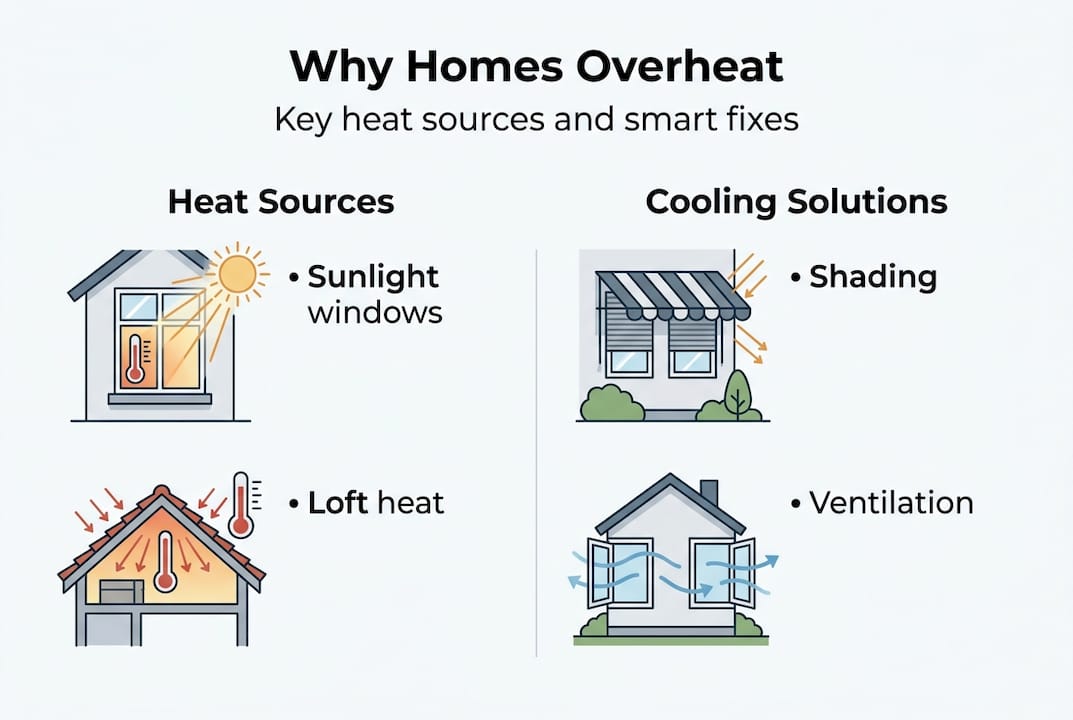
Understanding these root causes is genuinely useful. It means you can target your efforts where they have the most impact, rather than guessing. Energy-efficient cooling begins the moment you correctly diagnose where the heat is actually coming from.
Now that we have established why keeping cool is such a challenge, let us set the stage for practical solutions.
Preparation: What you need to keep your home cool
Understanding the cause of overheating makes it easier to choose tools and strategies tailored to your home. Preparation is not glamorous, but it is where the biggest gains are made.
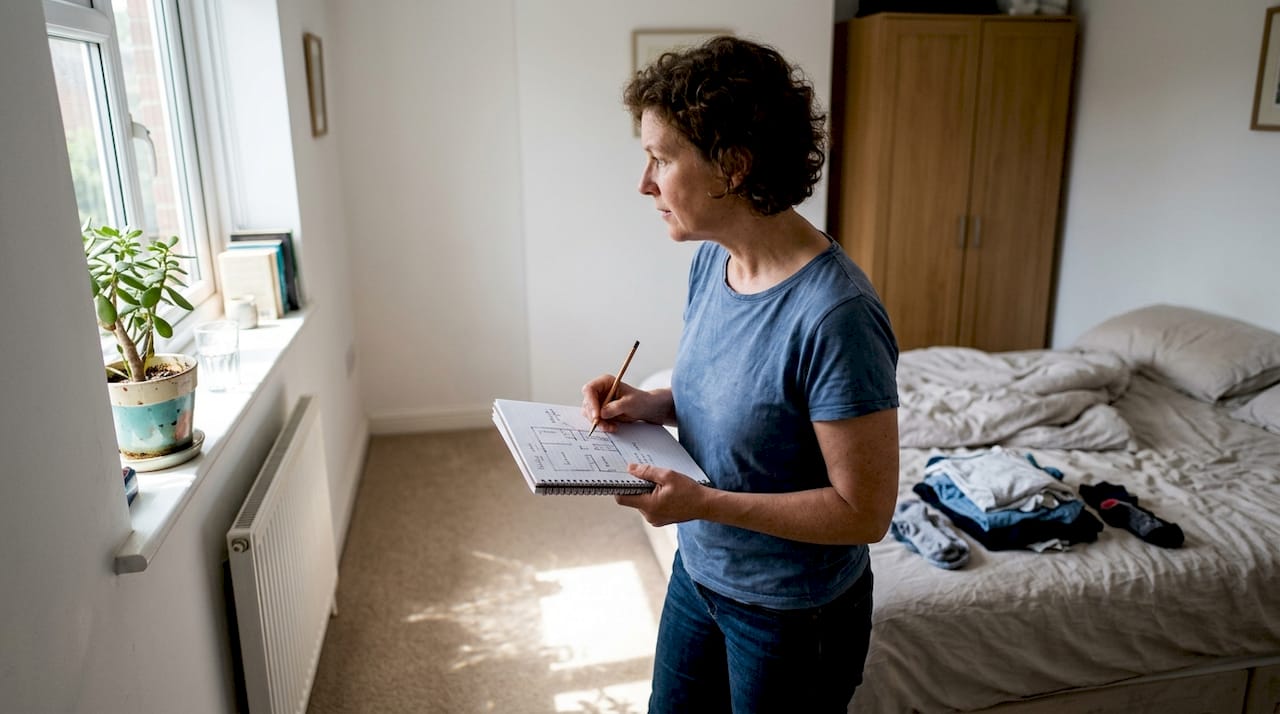
The first step is a quick audit of your home. Walk around and note which rooms get the most direct sun, whether windows seal properly, and where draughts occur. Passive cooling upgrades like blinds and draught excluders play a bigger role than most people expect, and they cost very little to put in place.
Here is a comparison of the most useful cooling tools available to UK homeowners:
| Tool | Approximate cost | Energy use | Effectiveness | Best for |
|---|---|---|---|---|
| Blackout curtains/blinds | £20 to £80 | None | High | South-facing rooms |
| Reflective window film | £15 to £50 | None | Medium to high | Any glazed area |
| Portable fan | £20 to £60 | Low | Medium | Spot cooling |
| Outdoor awning | £500 to £2,500 | Very low | Very high | Conservatories, patios |
| Portable air conditioner | £200 to £600 | High | Medium | Rental properties |
| Split-system air conditioner | £800 to £2,500+ | Medium (efficient) | Very high | Whole-room cooling |
| Draught excluders | £5 to £20 | None | Low to medium | Doors and windows |
For outdoor shading options, a range of outdoor shading solutions are available that suit different budgets and property styles. Before committing to any major purchase, start with these quick-win preparations:
- Close curtains on south and west-facing windows before 10am
- Check that window seals are intact to prevent warm air seeping in
- Identify which rooms face south and prioritise those for shading
- Ensure loft hatches are sealed to stop rising heat entering living spaces
Pro Tip: Fitting reflective window film is one of the most cost-effective passive cooling upgrades you can make. It reduces solar heat gain without darkening the room significantly, and it works even on older single-glazed windows.
Once you know which rooms are the worst offenders and which tools suit your budget, you are ready to move into action. Consider which changes are temporary and which are long-term investments, as energy-saving air conditioning offers ongoing savings that offset upfront costs over time.
Step-by-step: Practical ways to keep your house cool
Once you have prepared your home, it is time to put these essential steps into action. The following sequence is designed to layer passive methods first, then mechanical cooling where needed.
- Close curtains and blinds early. Before the sun reaches its peak, shut off direct sunlight in rooms that receive it. This one action alone can reduce indoor temperatures by several degrees.
- Ventilate at night. Open windows on opposite sides of the house after 9pm to create cross-ventilation. This flushes out stored heat rapidly.
- Use fans strategically. Position a fan to blow air across a bowl of ice or a damp towel for a cooling effect. In multi-storey homes, place a fan at the bottom of the stairs facing upwards to push hot air up and out.
- Add outdoor shading. The benefits of outdoor shading include reducing heat before it ever touches your glass, making indoor shading far more effective when both are used together.
- Seal gaps and draughts. During the day, block any gaps where hot outside air can enter, particularly around doors and poorly fitted windows.
- Switch on air conditioning efficiently. If you have a unit, use it at the right time. Air conditioning solutions work best when the home is pre-cooled in the morning, not as a reactive fix during the hottest part of the afternoon.
Night ventilation is one of the most underused strategies in British homes. Opening windows wide between 10pm and 7am during a heatwave can drop indoor temperatures by four to six degrees by morning, without any running costs whatsoever.
Combining multiple passive approaches can significantly lower indoor temperatures, and the difference becomes noticeable within a single day of consistent effort.
Pro Tip: Lofts and conservatories trap heat faster than any other room in the house. If you can add a vent to a loft hatch or install a retractable roof shade over a conservatory, you will reduce the heat load on the rest of the house considerably. You can also review ways to save on air conditioning costs by combining passive methods with a well-placed unit.
Advanced options: Air conditioning and smart cooling systems
For some households, passive methods are not enough, especially as UK summers get hotter. When your home regularly reaches 28°C or above indoors, it is time to consider a more capable solution.
Not all air conditioning systems are equal. Here is how the main types compare for UK homes:
| System type | Installation | Running cost | Efficiency | Best for |
|---|---|---|---|---|
| Portable air conditioner | None required | High | Low | Renters, occasional use |
| Window unit | Moderate | Medium | Medium | Single rooms |
| Split-system (wall-mounted) | Professional required | Low to medium | Very high | Permanent home cooling |
| Multi-split system | Professional required | Low | Very high | Multiple rooms |
Modern split-system air conditioners offer efficient cooling with manageable running costs, especially when fitted with inverter technology that adjusts output rather than cycling on and off. Smart controls and programmable thermostats add another layer of savings by allowing you to schedule cooling around your daily routine.
Common mistakes to avoid when considering air conditioning:
- Choosing an undersized unit that runs constantly without reaching the target temperature
- Installing a portable unit without proper window venting, which recirculates warm air
- Ignoring energy ratings; an A-rated unit can cost significantly less to run than a cheaper, lower-rated model
- Skipping professional installation, which can void warranties and reduce efficiency
For a thorough overview of your options, the air conditioning buying guide and the guide to air conditioning system types both cover the landscape in practical detail. For additional strategies on boosting air conditioner efficiency, small adjustments to placement and settings can make a measurable difference to your energy bills. Professional HVAC installation and repair ensures your system runs at peak performance from day one.
Verification: How to check your efforts and troubleshoot common problems
After implementing your chosen techniques, you will want to know what is working and how to fine-tune your efforts.
The most reliable way to measure success is with a basic indoor thermometer or a combined temperature and humidity monitor. Place it in the room you spend the most time in and check readings morning, afternoon, and evening. Compare these with outdoor temperatures to see whether your home is staying cooler than the air outside.
Monitoring temperature and humidity ensures your solutions are working and tells you where to focus next. If indoor temperatures are still climbing despite your efforts, here are the most common reasons and fixes:
- South-facing windows with no shading: Add external blinds or awnings as a priority
- Gaps around window frames or doors: Reseal with draught-proofing tape or a foam strip
- Loft temperature bleeding into ceilings: Check loft insulation and add a loft hatch seal
- Fans blowing warm air: Reposition so they draw cooler air in from shaded windows, not push warm indoor air around
- Air conditioning unit struggling: Clean or replace the filter, and check for restricted airflow around the unit
- High humidity making it feel hotter: Add a small dehumidifier, particularly in kitchens and bathrooms
If your home still struggles after addressing these points, it may be time to revisit your insulation or seek professional advice. A specialist can assess your property and recommend targeted improvements.
Pro Tip: Use a basic indoor thermometer as a permanent fixture in your main living space. Tracking daily patterns for a week gives you a clear picture of when and where heat builds, so you can target your efforts far more precisely.
Our perspective: What most guides miss about cooling UK homes
Most cooling guides treat each solution as a standalone fix. Use a fan. Buy some blinds. Get an air conditioner. But the homes we see that stay genuinely comfortable all summer are always the ones where the owner has layered multiple approaches, tailored to how that specific property behaves.
A north-facing Victorian terrace needs a different strategy from a modern south-facing new-build. Blanket advice misses that entirely. What works is understanding your home first, then building a system around it. Shading reduces the heat load. Night ventilation clears what builds up. Mechanical cooling handles the remainder. Each layer makes the others more effective.
The other thing most guides overlook is timing. Installing awnings or window film in June, when the heatwave has already arrived, is far less useful than doing it in April. Future-proofing against hotter UK summers means acting before the problem strikes. Why efficiency matters is not just about saving energy now. It is about choosing solutions that remain effective as climate patterns continue to shift.
Find your ideal cooling solution with Akita AC
If you have worked through this guide and want to move from planning to results, professional help makes the process straightforward. At Akita Air Conditioning, we specialise in energy-efficient systems designed specifically for UK homes and the unpredictable climate that comes with them.

From initial advice to full domestic air conditioning installation, we tailor every recommendation to your property, your budget, and your lifestyle. Whether you are in Suffolk, Norfolk, or Essex, our team provides expert guidance from the first conversation to the final installation. Find out more about cooling solutions available through air conditioning in East Anglia and take the first step towards a genuinely comfortable home this summer.
Frequently asked questions
What are the cheapest ways to keep a UK house cool in summer?
Closing curtains during the day, using fans, and opening windows wide at night are low-cost options that deliver real results. Passive shading methods are particularly effective and cost nothing to run once in place.
Are air conditioning units worth installing in the UK?
With summers regularly hitting uncomfortable temperatures, energy-efficient models provide substantial comfort and long-term value. Modern air conditioning now delivers both reliable cooling and genuine energy savings for UK homes.
How can I check if my cooling strategies are working?
Track indoor temperature and humidity with a simple monitor and compare readings against outdoor levels throughout the day. Monitoring these figures reveals quickly whether your approach is reducing heat or needs adjustment.
What passive home improvements help keep homes cool?
Fitting awnings, applying window film, and using thick blackout curtains all reduce how much heat enters your home without any ongoing running costs. Passive improvements like awnings can cut indoor heat gain by up to 77%, making them one of the most impactful upgrades available.
Recommended
- Top air conditioning solutions for UK summer heat – Akita AC
- Boost air conditioning efficiency: expert steps for UK homes – Akita AC
- Why Energy Efficient Cooling Matters for UK Homes – Akita AC
- Best 7 air conditioning for hot weather UK 2026 – Akita AC
- Electric awnings slash UK home heat gain by 77%