

Why Choose Energy Saving Aircon for UK Homes
Hot spells in Suffolk, Norfolk, and Essex have more homeowners rethinking how they cool their homes without sending energy bills soaring. Energy saving air conditioning has become central to this shift, thanks to innovations that cut electricity use and protect the environment. Today’s energy-efficient systems combine advanced heat pump technology, smart controls, and sustainable refrigerants, allowing you to enjoy comfortable indoor temperatures while supporting the UK’s net zero ambitions and reducing monthly costs.
Table of Contents
- What Energy Saving Aircon Means Today
- Types of Energy Efficient Air Conditioning Systems
- How Modern Features Reduce Household Energy Use
- Comparing Costs and Financial Benefits
- Eco Impact and UK Regulations Explained
Key Takeaways
| Point | Details |
|---|---|
| Energy Efficiency is Essential | Modern air conditioning systems utilise advanced technologies to significantly reduce energy consumption, leading to lower bills and enhanced comfort. |
| Smart Controls Enhance Performance | Systems with smart thermostats and zoning capabilities optimise operation, ensuring energy is used only when necessary. |
| Government Incentives Help Adopt New Technologies | Financial support such as the Boiler Upgrade Scheme can offset initial installation costs, making energy-efficient options more accessible. |
| Compliance with Regulations is Crucial | Adopting energy-efficient systems aligns with UK regulations aimed at achieving net zero carbon emissions, benefiting both the environment and property value. |
What Energy Saving Aircon Means Today
Energy saving air conditioning has evolved significantly from basic cooling units. Today, it refers to climate control systems that use substantially less electricity whilst maintaining your home’s comfort. The technology combines smart engineering with modern components to cut energy waste and lower your bills.
Modern energy-efficient systems integrate several key technologies:
- Heat pump technology that moves existing heat rather than generating new cold
- Variable-speed compressors that adjust output based on actual cooling demand
- Smart thermostats with learning capabilities and remote controls
- Advanced refrigerants with lower environmental impact
- Improved insulation and air-sealing in ductwork and components
Why this matters for your home in Suffolk, Norfolk, or Essex comes down to pounds and pence. Energy-efficient air conditioning systems can significantly reduce your electricity consumption during peak demand periods, directly lowering your energy bills each month.
The UK’s push towards net zero emissions means efficient cooling isn’t just about comfort anymore. Newer systems help households meet carbon reduction targets whilst maintaining stable indoor temperatures year-round. This alignment with environmental goals makes upgrading increasingly relevant for conscious homeowners.
Innovation has reached remarkable levels. Contemporary systems like those using indirect evaporative cooling technology consume up to 65% less energy than conventional units. These advancements avoid harmful refrigerants whilst delivering the same comfort you expect.
Today’s energy-saving aircon combines efficiency, sustainability, and cost savings—making it the practical choice for modern UK homes.
The difference between older and current systems is substantial. Outdated units run constantly at full power, regardless of cooling needs. Modern alternatives scale their output intelligently, using only the energy your home actually requires at any given moment.
For homeowners considering upgrades, understanding what “energy saving” actually means helps you make informed decisions. It’s not just marketing language—it’s measurable performance backed by real engineering improvements and proven energy reductions.
Pro tip: Look for systems with A-rated efficiency ratings and smart controls when selecting your next unit; these features directly correlate with lower running costs and easier temperature management throughout your home.
Types of Energy Efficient Air Conditioning Systems
When you’re considering energy-efficient cooling for your home in Suffolk, Norfolk, or Essex, you’ll encounter several distinct system types. Each works differently and offers unique advantages depending on your property and budget.
Heat pumps stand out as the most efficient option available today. These systems extract warmth from the air or ground and use approximately three times less energy than traditional heating methods. Air source heat pumps draw heat from outdoor air, making them ideal for most UK properties. Ground source heat pumps tap into soil temperatures, which remain stable year-round, delivering even greater efficiency but requiring more installation space.
Key differences between common systems:
- Air source heat pumps: Easier to install, work well in most climates, cost-effective upfront
- Ground source heat pumps: More efficient long-term, require significant ground space, higher initial investment
- Central heating with heat pumps: Combines traditional heating infrastructure with modern efficiency
- Electric radiators and storage heaters: Lower efficiency, suitable only for specific situations
Heat pumps integrate seamlessly with smart tariffs and energy management systems, allowing you to reduce consumption during peak-cost periods. This adds another layer of savings beyond the system’s inherent efficiency.
Heat pumps use three times less energy than traditional systems, making them the gold standard for UK homes pursuing genuine energy savings.
The choice between system types depends on several practical factors. Your home’s size, insulation quality, available space, and long-term plans all influence which system makes sense. Properties with good loft and wall insulation benefit most from heat pump technology.
Central heating combined with heat pump integration offers highly efficient temperature regulation throughout the year. This hybrid approach works particularly well for homes undergoing renovation or upgrade projects.
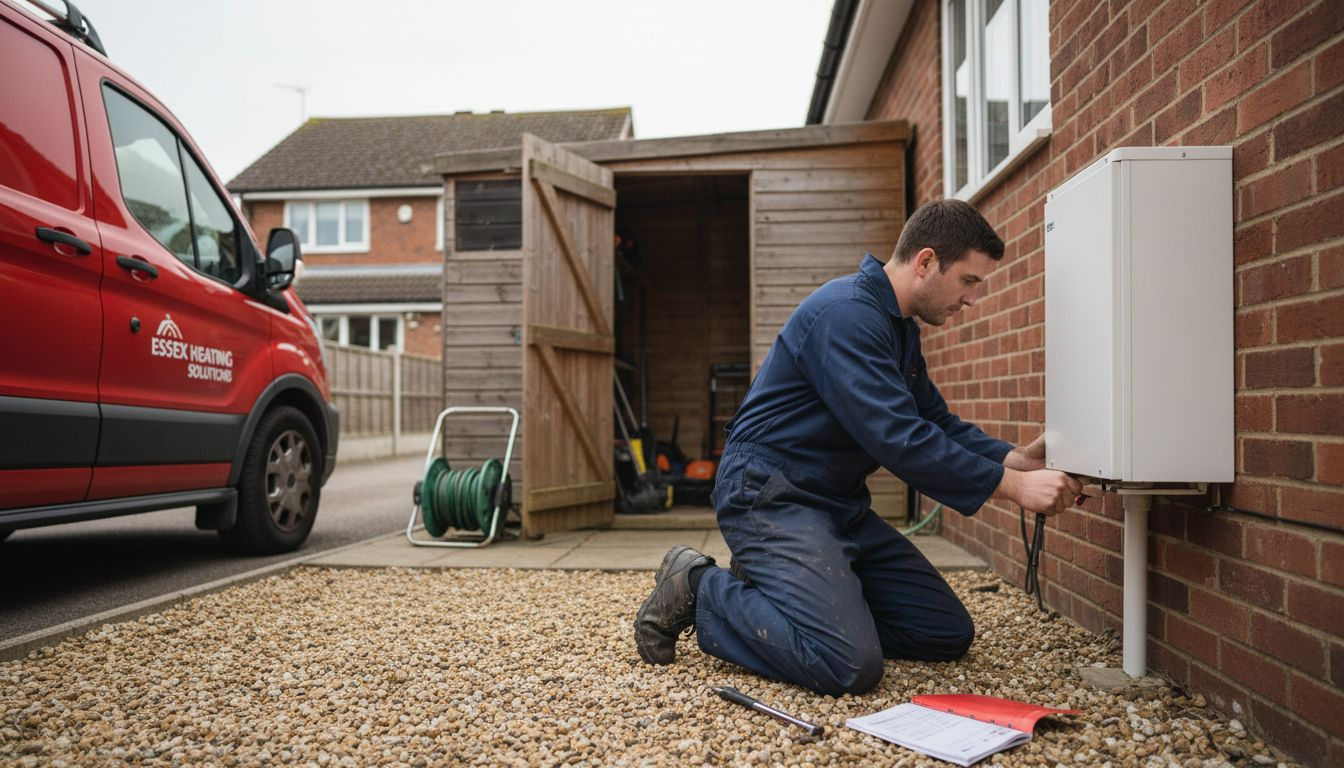
Electric alternatives exist, but they’re considerably less efficient than heat pumps. If your home can accommodate a heat pump installation, it’s almost always the superior choice financially and environmentally.
Pro tip: Request a free energy assessment from an installer before deciding; they’ll evaluate your specific property layout and recommend the most cost-effective system for your situation.
Compare air conditioning system types at a glance:
| System Type | Efficiency Level | Typical Installation Cost | Best For |
|---|---|---|---|
| Air source heat pump | High | £8,000-£12,000 | Most UK homes |
| Ground source heat pump | Very high | £12,000-£15,000 | Homes with garden/space |
| Electric radiator/storage | Low | £1,000-£3,000 | Flats or limited spaces |
| Central heating + heat pump | High | £10,000-£14,000 | Large or renovated properties |
How Modern Features Reduce Household Energy Use
Today’s energy-saving air conditioning systems pack intelligent features that work together to slash your electricity consumption. These aren’t just incremental improvements—they fundamentally change how your cooling operates and how much it costs to run.
Smart thermostats form the foundation of energy reduction. These devices learn your behaviour patterns and adjust temperatures automatically, ensuring your system runs only when genuinely needed. Programmable controls let you set different temperatures for different times of day, eliminating wasteful cooling when nobody’s home.
Zoning systems add another layer of efficiency. Rather than cooling your entire house uniformly, they target specific rooms you’re actually using. This means your kitchen gets cooled when you’re cooking, but the spare bedroom isn’t wasting energy sitting empty.
Critical modern technologies that reduce energy use:
- Variable-speed compressors: Scale output based on actual cooling demand, not running constantly at full power
- Inverter technology: Adjusts motor speed smoothly, cutting energy waste during part-load operation
- Efficient heat exchangers: Transfer heat more effectively, requiring less compressor work
- Eco modes: Reduce power consumption during non-peak periods, lowering both bills and carbon footprint
- Energy monitoring: Real-time feedback shows exactly how much power you’re using
Advanced heating controls and programmable thermostats work synergistically to eliminate unnecessary operation. When combined with adaptive systems that anticipate your needs, these features reduce consumption dramatically compared to older units that run the same regardless of conditions.
Modern systems with smart controls use 40-60% less energy than conventional units, delivering savings that appear immediately on your energy bills.
Integrating renewable energy sources adds profound savings potential. Solar panels paired with your cooling system reduce grid dependency significantly. Variable-speed compressors and eco modes work especially well when combined with renewable energy generation, allowing you to use your own power when peak production occurs.
The beauty of these features is they work automatically. You set your preferences once, and the system handles the rest. No manual adjustments required—just lower bills month after month.
Pro tip: Ask your installer about systems with energy monitoring dashboards; seeing real-time consumption data motivates behaviour changes that further reduce your bills beyond the technology’s built-in efficiency.
Here’s how modern aircon features impact home efficiency:
| Feature | Function | Impact on Energy Use |
|---|---|---|
| Smart thermostats | Learn schedules and adjust automatically | Prevent unnecessary cooling |
| Zoning systems | Direct cooling only where needed | Reduce energy wasted in unused rooms |
| Variable-speed compressors | Match power to real-time demand | Lower operating time and costs |
| Energy monitoring | Provide real-time usage data | Encourage energy-saving habits |
Comparing Costs and Financial Benefits
Energy-saving air conditioning demands a higher upfront investment than traditional systems, but the financial picture improves dramatically over time. Understanding both costs helps you make an informed decision that aligns with your budget and long-term savings goals.
Initial installation costs vary by system type. Heat pump systems typically range from £8,000 to £15,000 installed, whilst traditional boilers cost considerably less upfront. This price difference deters many homeowners initially, but government support changes the equation significantly.
Government grants make upgrading affordable. In England and Wales, the Boiler Upgrade Scheme offers up to £7,500 to offset installation costs. This support recognises the environmental and economic benefits of switching to efficient systems, making your actual out-of-pocket expense substantially lower than the headline installation price.
Long-term savings dwarf initial costs:
- Annual energy bill reductions: Typically around £100 per year with smart tariffs
- Cumulative 10-year savings: Approximately £1,000 plus additional reductions from smart tariff optimisation
- System lifespan: 15-20 years means multiple decades of savings
- Maintenance costs: Heat pumps require fewer repairs than traditional systems
- Increased property value: Energy-efficient homes command higher resale prices
Energy efficient air conditioning reduces running costs through lower electricity use, meaning your monthly bills shrink immediately after installation. This isn’t theoretical—homeowners across Suffolk, Norfolk, and Essex report noticeable reductions within the first billing cycle.
A system costing £10,000 to install pays for itself in roughly 10 years through energy savings alone, then continues saving money for the remainder of its lifespan.
Comparison with traditional systems reveals the true value proposition. Conventional boilers cost less to install but consume significantly more energy annually. Over 15 years, the efficient system typically saves £3,000 to £5,000 despite higher upfront costs.
Energy label ratings help you compare products and estimate usage costs, allowing you to calculate your specific payback period. Systems with A-rated efficiency deliver the fastest return on investment.
Flexible financing options through providers like Akita make upgrades accessible without massive upfront payments. Spreading costs across several years whilst enjoying immediate energy savings creates a manageable path to upgrading.
Pro tip: Calculate your personal payback period by obtaining quotes, checking available grants, and comparing against your current annual energy spend; most installations in your region break even within 8-12 years.
Eco Impact and UK Regulations Explained
Choosing energy-saving air conditioning isn’t just about cutting your bills—it directly supports the UK’s legal obligations and environmental targets. Understanding the regulatory landscape and ecological impact helps you see the bigger picture of your decision.
The UK has committed to reaching net zero carbon emissions by 2050. Domestic heating and cooling account for roughly 15% of household energy consumption, making efficient systems crucial to meeting national decarbonisation goals. Every efficient installation contributes measurably to this transition.
Minimum Energy Efficiency Standards (MEES) apply to rental properties. These regulations require landlords to ensure domestic rented homes achieve at least an EPC E rating, with plans to raise this to EPC C by 2030. Energy-efficient cooling and heating upgrades help properties meet these mandatory standards, avoiding enforcement penalties.
Key regulatory drivers for energy efficiency:
- EPC ratings: Properties must demonstrate minimum energy performance standards
- Building Regulations: New installations must comply with current efficiency requirements
- Energy Performance Directive: Encourages member states to adopt low-carbon heating and cooling solutions
- Environmental targets: UK aims for 80% emissions reduction by 2050
- Future standards: EPC C requirements coming by 2030 for rented properties
Growing uptake of domestic air conditioning impacts energy demand and carbon emissions, making cleaner cooling technologies essential. Rising temperatures mean more households will require cooling solutions, underscoring the importance of choosing efficient systems now rather than conventional alternatives later.
Efficient cooling systems reduce household carbon footprint by up to 65%, directly supporting UK decarbonisation targets whilst lowering your personal environmental impact.
Adopting energy-saving technology demonstrates commitment to sustainability. Modern heat pumps use renewable energy principles, avoiding fossil fuels and reducing reliance on carbon-intensive grid power. This shift aligns your home with UK climate policies whilst delivering tangible financial and comfort benefits.
Regulatory guidance supports energy-saving measures and low-carbon cooling solutions, encouraging property owners to upgrade proactively. Waiting until mandatory deadlines approach typically means rushed decisions and higher costs.
The environmental case is compelling. Each efficient system prevents tonnes of CO2 emissions over its lifespan. When multiplied across thousands of Suffolk, Norfolk, and Essex homes, these individual choices create substantial regional impact.
Pro tip: If you rent your property, confirm your current EPC rating and calculate whether energy-saving upgrades are needed to meet 2030 EPC C targets; proactive compliance avoids future rushed installations and penalties.
Discover Energy Saving Air Conditioning Solutions Tailored for Your UK Home
The article highlights how upgrading to energy saving aircon can reduce bills, lower carbon emissions and provide smart control for your home’s comfort. If you are concerned about rising energy costs, meeting UK carbon reduction goals or simply want stress-free climate control with modern features like variable-speed compressors and smart thermostats, Akita Air Conditioning offers expert solutions designed precisely for these needs. Our professional services focus on installing and maintaining high-efficiency, eco-friendly systems that transform your home in Suffolk, Norfolk or Essex with real savings and lasting comfort.
Take control today by choosing energy-efficient air conditioning with Akita. Explore our range of smart, sustainable systems and flexible financing options that make upgrading accessible without delay. Visit Akita Air Conditioning to learn how our experts can tailor a solution that fits your home and budget. For detailed information on our services, including installation and maintenance, see our comprehensive service page. Don’t wait for rising energy prices to impact your comfort and costs – make a smart move now with Akita Air Conditioning.
Frequently Asked Questions
What are the benefits of choosing energy-saving air conditioning?
Energy-saving air conditioning reduces energy consumption, lowers electricity bills, and contributes to carbon reduction targets. These systems employ advanced technologies such as smart thermostats and variable-speed compressors to enhance efficiency and comfort.
How do modern energy-efficient systems work?
Modern systems utilise heat pump technology to move existing heat instead of generating new cold air, variable-speed compressors that adjust to cooling demands, and smart controls that optimise energy use, significantly cutting down electricity waste.
What types of energy-efficient air conditioning systems are available?
The main types include air source heat pumps, ground source heat pumps, and electric radiators. Air source heat pumps are easy to install and cost-effective, while ground source heat pumps offer higher long-term efficiency but require more installation space.
How can I assess the cost-effectiveness of upgrading to an energy-efficient air conditioning system?
Evaluate initial installation costs, government grants available to offset these costs, and expected energy bill reductions. It’s advisable to calculate the payback period based on your current energy spend and potential long-term savings from the new system.