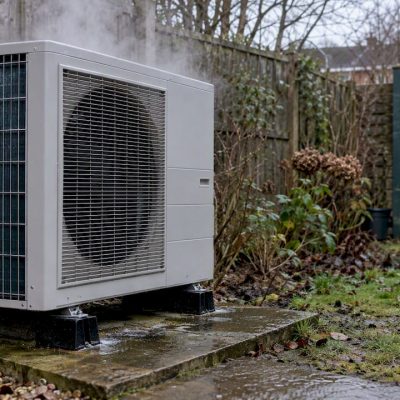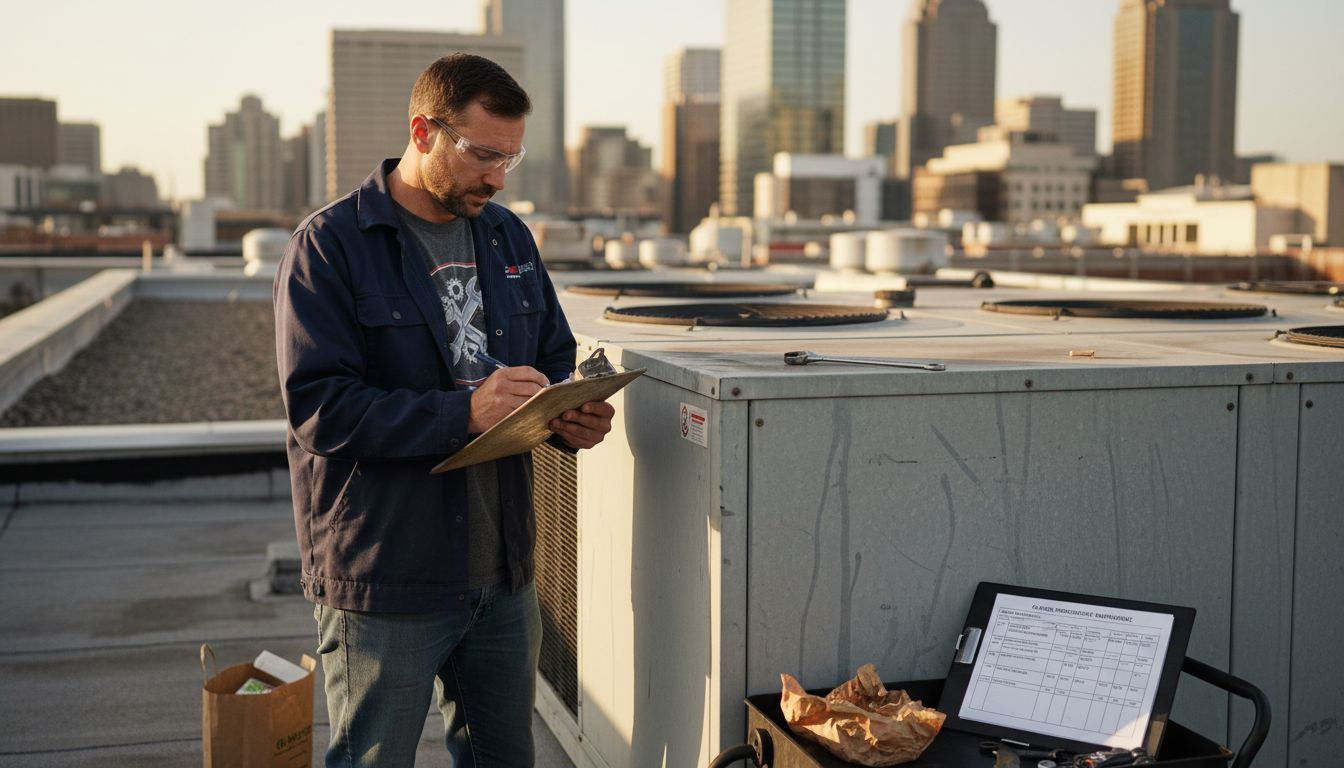
Rising energy bills and unexpected air conditioning breakdowns create significant stress for commercial property managers across Suffolk and north Essex. Your climate control system represents a substantial investment, yet many businesses struggle to maintain peak performance while meeting UK compliance requirements. This guide delivers a practical, proven maintenance workflow that cuts energy costs noticeably and extends system lifespan, helping you protect your investment and reduce operational disruptions throughout 2026.
Table of Contents
- Prerequisites: What You Need Before Starting Air Conditioning Maintenance
- Step-By-Step Commercial Air Conditioning Maintenance Workflow
- Regulatory Compliance Requirements For UK Commercial Air Conditioning Systems
- Common Mistakes And Troubleshooting In Commercial Air Conditioning Maintenance
- Safety Considerations And Warnings
- Expected Results And Measurable Outcomes From A Good Maintenance Workflow
- Discover Expert Commercial Air Conditioning Services In Essex And Suffolk
- What are the economic benefits of commercial system servicing?
- How to implement an effective commercial AC maintenance plan
- Our view: what most businesses get wrong about servicing
- Frequently Asked Questions About Commercial Air Conditioning Maintenance Workflow
Key takeaways
| Point | Details |
|---|---|
| Regular maintenance delivers substantial savings | Proper air conditioning care reduces energy consumption noticeably whilst extending equipment life by multiple years. |
| UK regulations demand strict compliance | F-Gas leak checks and TM44 inspections are mandatory with significant penalties for non-adherence. |
| Maintenance frequency varies by operation | System usage intensity, building type, and environmental factors determine optimal service schedules. |
| Documentation protects your business | Accurate records ensure regulatory compliance and support warranty claims when issues arise. |
| Professional expertise ensures safety | Certified engineers handle refrigerants legally and perform electrical work safely under HSE standards. |
Prerequisites: what you need before starting air conditioning maintenance
Successful commercial air conditioning maintenance begins long before you touch the equipment. You need either solid technical knowledge of refrigeration systems or access to qualified F-Gas certified engineers who understand UK regulations. Attempting complex refrigerant work without proper certification isn’t just risky, it’s illegal under current environmental protection laws.
Your toolkit requires specific equipment beyond standard maintenance supplies. Essential items include coil brushes, refrigerant leak detectors, quality replacement filters, and electrical testing equipment to properly assess system health. Infrared thermometers help identify temperature inconsistencies, whilst pressure gauges verify refrigerant charge levels accurately.
Gathering historical documentation proves equally crucial. Past maintenance logs reveal patterns of wear, recurring issues, and compliance history that inform your maintenance schedule.
Essential preparation checklist:
- F-Gas certified engineer availability for refrigerant work
- Complete maintenance history and equipment specifications
- Calibrated testing equipment including multimeters and leak detectors
- Replacement filters matching system specifications
- Personal protective equipment including safety glasses and gloves
- Access to manufacturer service manuals and wiring diagrams
Safety equipment deserves particular attention. Your team needs proper respiratory protection when cleaning heavily soiled components, electrical rated gloves for panel work, and lockout tagout devices to secure power sources during maintenance. Never compromise on safety gear to save a few pounds.
| Item category | Specific requirements | Compliance notes |
|---|---|---|
| Engineer qualifications | F-Gas Category 1 certification | Legally required for refrigerant handling |
| Testing equipment | Calibrated leak detectors, multimeters | Annual calibration recommended |
| Documentation access | 5 years maintenance logs | Legal retention period |
| Safety gear | PPE meeting HSE standards | Site specific risk assessment needed |
This single resource saves hours during unplanned repairs and helps new team members understand your systems quickly. Understanding hvac servicing best practices 2026 ensures your preparation aligns with current industry standards.
Step-by-step commercial air conditioning maintenance workflow
A systematic approach transforms maintenance from reactive firefighting into predictable cost control. Your workflow must balance thoroughness with operational efficiency, ensuring comprehensive coverage without excessive downtime.
Begin every maintenance cycle by reviewing system documentation and previous service reports. This preparation identifies recurring issues, tracks component replacement history, and flags upcoming regulatory inspections. Understanding your baseline performance metrics lets you measure improvement accurately.
Monthly maintenance tasks:
- Inspect and replace air filters based on visual condition and pressure drop measurements
- Check thermostat calibration and verify zone control operation
- Monitor condensate drain lines for blockages or biological growth
- Record system operating pressures and temperatures for trend analysis
- Perform visual inspection of electrical connections for signs of overheating
Filter maintenance directly impacts your energy bills. Cleaning or replacing air filters every 1-3 months reduces energy use noticeably, making this simple task one of your highest return activities. High occupancy environments like retail spaces or restaurants demand monthly attention, whilst office buildings may stretch to quarterly intervals.
Quarterly maintenance activities:
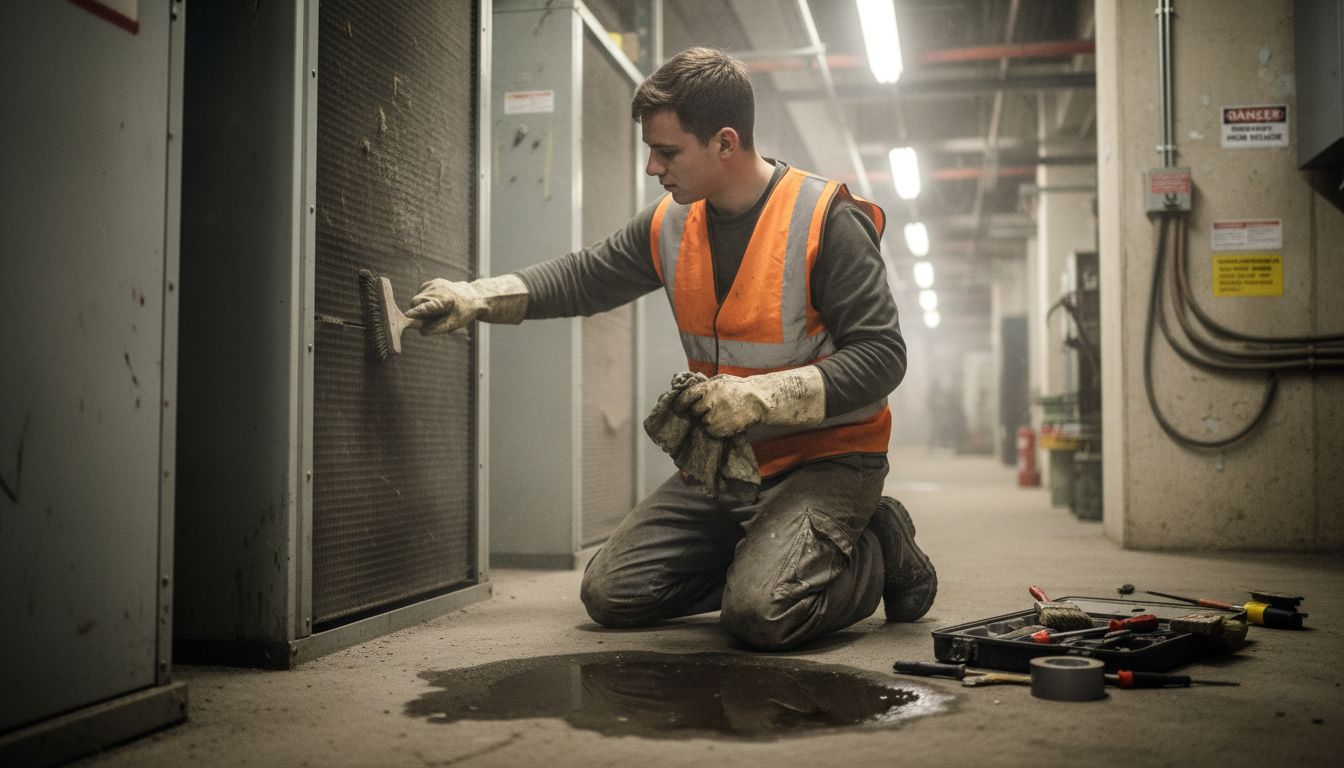
- Deep clean evaporator and condenser coils using approved chemical treatments
- Inspect refrigerant line insulation for damage or deterioration
- Test safety controls including high pressure cutouts and flow switches
- Lubricate motor bearings and check belt tension on belt driven systems
- Verify correct refrigerant charge using superheat and subcooling measurements
Coil cleanliness significantly affects system capacity. Routine coil cleaning enhances heat transfer and system efficiency, preventing the gradual performance decline that increases operating costs. Coastal locations face particular challenges from salt laden air that accelerates corrosion.
| Maintenance task | Frequency | Impact on efficiency | Regulatory requirement |
|---|---|---|---|
| Filter replacement | 1-3 months | worthwhile improvement | Not mandated but recommended |
| Coil cleaning | Quarterly | – | Not mandated but affects compliance |
| Refrigerant leak check | Annual minimum | Prevents capacity loss | F-Gas regulation mandatory |
| Full system inspection | Annual | Identifies developing issues | TM44 every 5 years |
Annual comprehensive inspections require certified engineer involvement. F-Gas leak detection equipment must identify refrigerant losses exceeding regulatory thresholds, with all findings documented in your compliance logbook. Electrical systems need thorough testing including insulation resistance, contact voltage drop, and control circuit verification.
Pro Tip: Schedule major maintenance during shoulder seasons when system demand drops. Spring and autumn provide ideal windows for intensive work without compromising occupant comfort or disrupting peak business periods. Following the uk ac maintenance guide 2026 helps optimise your scheduling strategy.
Regulatory compliance requirements for UK commercial air conditioning systems
Navigating UK air conditioning regulations protects your business from substantial fines whilst ensuring environmental responsibility. The regulatory landscape has tightened considerably, making professional guidance increasingly valuable.
F-Gas regulations form the cornerstone of UK refrigerant management. Annual F-Gas leak checks are mandatory for systems with certain refrigerant charges to prevent ozone depleting substances and greenhouse gases escaping into the atmosphere. Systems containing over 5 tonnes CO2 equivalent require quarterly checks, whilst smaller systems face annual inspection requirements.
Only F-Gas certified engineers may legally handle refrigerants. This certification ensures proper recovery, recycling, and disposal procedures that protect both environment and your legal standing. Attempting DIY refrigerant work risks prosecution and invalidates insurance coverage.
Key compliance obligations:
- Annual leak detection inspections documented with date, findings, and remedial actions
- Refrigerant charge records showing quantities added, recovered, and system total
- Equipment logbooks maintained for minimum five year retention period
- TM44 energy efficiency assessments every five years for qualifying systems
- Immediate leak repair when refrigerant loss exceeds regulatory thresholds
TM44 inspections represent a separate compliance stream. These mandatory assessments occur every five years for systems over 12 kW output, evaluating overall energy efficiency and identifying improvement opportunities. Accredited energy assessors conduct these inspections, producing formal reports that you must retain and act upon.
Record retention deserves particular attention. You must maintain comprehensive documentation for at least five years covering all maintenance activities, leak checks, refrigerant handling, and compliance inspections. Digital systems work well provided you implement reliable backup procedures.
Pro Tip: Set calendar reminders six weeks before compliance deadlines to avoid last minute scrambles. This buffer allows scheduling flexibility and ensures you secure qualified engineers during busy periods without risking deadline breaches. Consider implementing a hvac maintenance plan benefits uk approach for systematic compliance management.
Common mistakes and troubleshooting in commercial air conditioning maintenance
Even experienced facility managers fall into predictable maintenance traps that degrade system performance and increase costs. Understanding these pitfalls helps you avoid expensive learning experiences.
Filter neglect tops the list of costly errors. Delaying replacement seems insignificant until you realise neglecting filter changes and coil cleaning leads to efficiency drops that compound monthly across your energy bills. Dirty filters force your system to work harder, increasing wear on motors and compressors whilst driving up electricity consumption.
Frequent maintenance errors:
- Stretching filter replacement intervals beyond manufacturer recommendations
- Postponing coil cleaning until visible fouling becomes severe
- Ignoring minor refrigerant leaks instead of prompt repair
- Inadequate documentation leaving compliance gaps
- Using unqualified personnel for refrigerant work
- Skipping electrical connection inspections until failures occur
Refrigerant leak management demands immediate attention rather than delayed response. Small leaks worsen over time, eventually causing capacity loss that affects occupant comfort. More critically, continued operation with low refrigerant charge damages compressors through inadequate cooling and lubrication.
Documentation failures create unnecessary legal exposure. Incomplete records prevent you demonstrating compliance during regulatory audits, potentially triggering penalties even when actual maintenance occurred properly. Missing service dates or vague descriptions leave you vulnerable.
Electrical system neglect precipitates unexpected shutdowns during peak demand periods. Loose connections generate heat that degrades insulation, whilst contactor pitting increases voltage drop and reduces motor efficiency. Annual electrical inspection catches these developing issues before they cause failures.
Troubleshooting common issues:
- Reduced cooling capacity: Check filter condition first, then verify refrigerant charge and coil cleanliness before assuming compressor problems
- High energy bills: Compare current operating pressures and temperatures against baseline data to identify efficiency losses
- Frequent cycling: Investigate thermostat placement, refrigerant charge, and airflow restrictions in sequence
- Water leaks: Inspect condensate drain lines for blockages and verify proper pan slope before replacing pumps
Pro Tip: Maintain a simple spreadsheet tracking monthly operating data including suction pressure, discharge pressure, supply air temperature, and power consumption. These trending metrics reveal gradual performance degradation long before occupants notice comfort problems, allowing proactive intervention. Regular why regular hvac maintenance saves energy extends lifespan reviews help contextualise your troubleshooting efforts.
Safety considerations and warnings
Commercial air conditioning maintenance involves genuine hazards that demand respect and proper precautions. UK Health and Safety Executive regulations establish clear employer duties to protect workers from electrical, chemical, and mechanical risks inherent in this work.
Electrical safety protocols must never be compromised. Safe air conditioning maintenance requires adherence to health and safety protocols including electrical lockout to prevent accidental energisation whilst personnel work on systems. Lockout tagout procedures ensure only authorised individuals restore power after confirming work completion.
Refrigerant handling presents both immediate and long term hazards. Certain refrigerants displace oxygen in confined spaces, creating asphyxiation risk without proper ventilation. Others decompose into toxic gases when exposed to open flames or hot surfaces, demanding careful planning around adjacent equipment.
Critical safety requirements:
- Qualified electricians perform all work on high voltage components
- F-Gas certified engineers exclusively handle refrigerant operations
- Proper PPE including eye protection, gloves, and respiratory equipment as risk assessment dictates
- Confined space entry procedures when accessing rooftop units or mechanical rooms with limited ventilation
- Fall protection systems for work on elevated equipment
- Chemical safety protocols when using coil cleaning solutions
Height work on rooftop installations requires particular attention. Ensure guardrails, safety harnesses, and anchor points meet current Working at Height Regulations before accessing elevated equipment. Weather conditions significantly affect slip and fall risks on commercial roofs.
“Annual workplace accidents involving air conditioning systems frequently result from rushing routine tasks, inadequate PPE, or bypassing lockout procedures. Every shortcut increases injury risk disproportionately to time saved.”
Chemical exposure during coil cleaning demands proper respiratory protection and skin coverage. Many commercial coil cleaners contain caustic substances that cause burns on contact. Always verify adequate ventilation before applying chemical treatments in enclosed spaces.
Pro Tip: Conduct a brief safety huddle before each maintenance session, reviewing specific hazards present that day and confirming everyone understands their protective measures. This 5 minute investment dramatically reduces accident rates compared to assuming everyone remembers standard procedures. Implementing routine air conditioning maintenance matters principles includes embedding safety culture throughout your operations.
Expected results and measurable outcomes from a good maintenance workflow
Investing in structured air conditioning maintenance delivers quantifiable returns that justify the commitment of time and resources. Understanding realistic outcomes helps you set appropriate expectations and measure programme success.
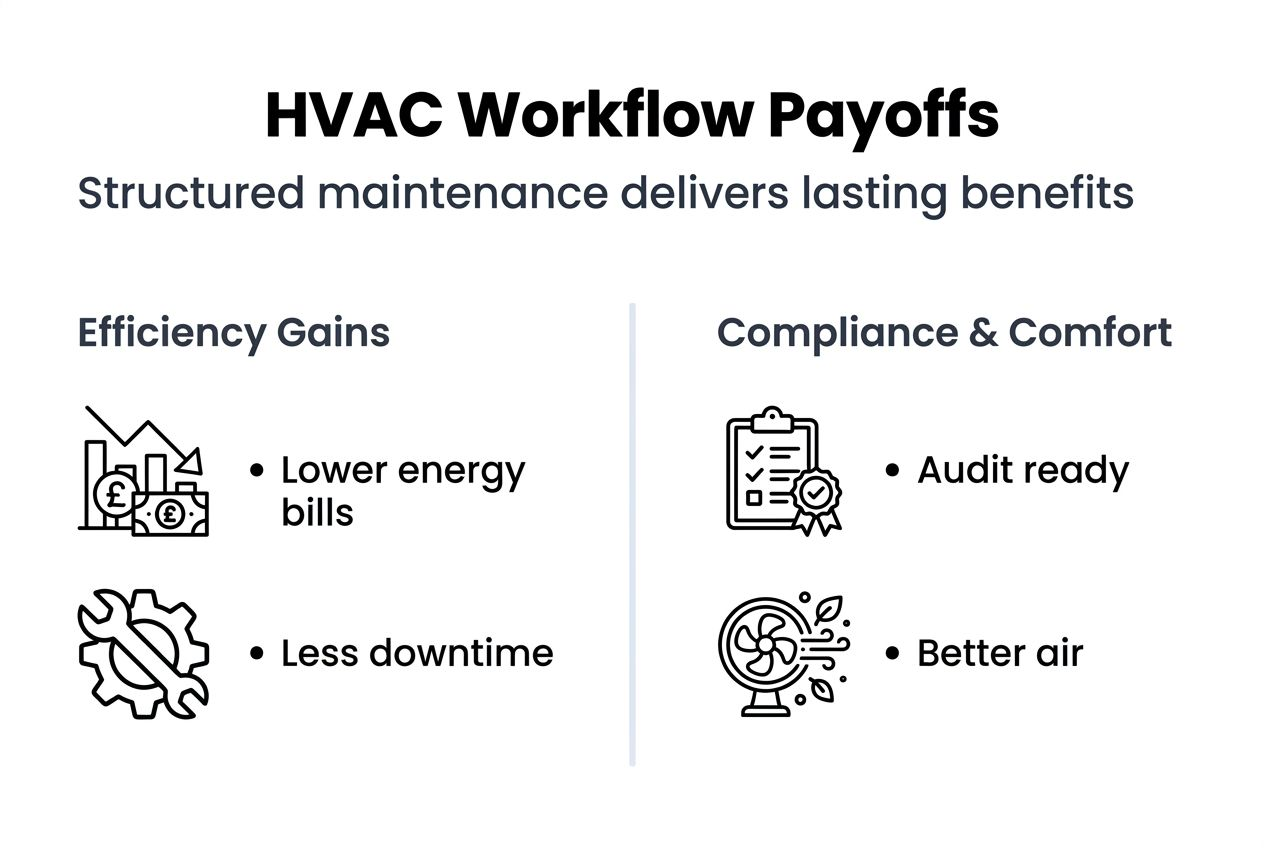
Energy savings represent the most immediate financial benefit. Routine air conditioning maintenance reduces energy costs noticeably and extends system lifespan by 2-5+ years compared to neglected systems. Your actual savings depend on baseline condition, with poorly maintained systems showing dramatic improvement whilst well kept equipment demonstrates steady efficiency.
System longevity improves substantially under proper care. Commercial air conditioning equipment typically operates 15-20 years with diligent maintenance, compared to 10-12 years for neglected systems.
Measurable improvements you should track:
- Monthly energy consumption compared to previous year baseline
- Occupant comfort complaints and temperature variance between zones
- Refrigerant top up requirements indicating leak development
- Compressor amp draw trends showing motor efficiency changes
Downtime reduction provides significant but often overlooked value. Preventing failures through proactive care eliminates these premium expenses.
Compliance confidence adds intangible value that becomes tangible during audits. Complete documentation and demonstrated regulatory adherence protect you from penalties whilst supporting insurance claims when covered events occur. This peace of mind lets you focus on core business rather than worrying about compliance gaps.
Occupant satisfaction improves measurably under consistent maintenance programmes. Stable temperatures, adequate ventilation, and reliable operation enhance productivity whilst reducing complaints to facility management. Happy occupants translate to tenant retention for landlords or improved employee morale for owner occupiers.
Pro Tip: Establish baseline metrics before implementing your maintenance programme, then track monthly to demonstrate value. Photograph system condition, record operating parameters, and document energy bills to create compelling before and after comparisons. Understanding hvac lifecycle cost uk economics helps contextualise your maintenance investment within total ownership expenses.
Discover expert commercial air conditioning services in Essex and Suffolk
Maintaining commercial air conditioning systems demands expertise, equipment, and time that many businesses struggle to allocate internally. Akita air conditioning delivers comprehensive maintenance programmes designed specifically for commercial properties across Essex, Suffolk, ensuring your systems achieve peak efficiency whilst meeting all UK regulatory requirements.
Our F-Gas certified engineers bring decades of combined experience maintaining diverse commercial installations from small retail units to large industrial facilities. We understand the unique challenges facing businesses in our region and tailor maintenance schedules to your operational needs, minimising disruption whilst maximising system performance.
Whether you operate in air conditioning installation saffron walden , air conditioning installation halstead , or air conditioning installation colchester , our local presence guarantees prompt, professional service backed by transparent pricing and genuine care for your business success.
What are the economic benefits of commercial system servicing?
The financial case for regular upkeep is straightforward. Well-maintained air conditioning systems use noticeably less energy than poorly maintained units. For a commercial building running air conditioning year-round, that saving compounds into a significant annual reduction in energy bills.
The economic benefits extend well beyond energy costs:
- Fault detection before failure. A servicing engineer identifies worn components, refrigerant leaks, and electrical faults before they cause a full breakdown. Replacing a capacitor costs a fraction of replacing a compressor.
- Reduced business interruption. A system failure in a commercial kitchen, server room, or retail environment can halt operations entirely. The cost of lost trading hours typically dwarfs the cost of a service visit.
- Insurance implications. Many insurance policies require physical damage from an insured peril to trigger a business interruption claim. Mechanical breakdown alone may not qualify. This means a preventable air conditioning failure could leave you with no payout and no cover for lost revenue.
The insurance point catches many business owners off guard. Property insurers distinguish between sudden accidental damage and gradual mechanical failure. A system that breaks down because it was never serviced is unlikely to generate a valid claim. Preventative maintenance is therefore not just a cost. It is a condition of your financial protection.
Pro Tip: Review your commercial property insurance policy specifically for the business interruption trigger clause. If it excludes mechanical breakdown, discuss a maintenance-linked endorsement with your broker.
How to implement an effective commercial AC maintenance plan
A structured maintenance plan does not need to be complicated. The following steps cover the core of what facility managers should put in place.
- Schedule biannual service visits. Biannual air conditioning services with spring focused on cooling systems deliver the best results.
- Define the scope of each visit. Every service should cover filter replacement or cleaning, evaporator and condenser coil inspection, refrigerant level verification, fin straightening, drain line clearing, and a full electrical check. Vague service agreements leave gaps.
- Appoint a qualified Installer. Commercial systems require engineers with the correct F-Gas certification and experience with your specific equipment. Verify credentials before signing any contract.
- Review performance data between visits. Energy consumption figures, temperature logs, and any comfort complaints from occupants all provide early warning signals. Assign someone to monitor these monthly.
Pro Tip: Book your spring cooling system check in February or March, before installers are fully committed to the summer rush. You will get better scheduling flexibility and, in many cases, lower rates than businesses calling in May when demand peaks.
The energy savings from regular servicing compound over time. A system that runs at noticeably better efficiency for five years represents a material reduction in operating costs, not a marginal one.
Our view: what most businesses get wrong about servicing
The most common mistake we see is treating servicing as a box-ticking exercise rather than a risk management tool. A business owner books an annual filter change, assumes the job is done, and moves on. That approach leaves significant gaps in both compliance and safety.
Changing filters is the starting point, not the finish line. Hygiene testing, electrical interlock checks, and refrigerant leak verification are all required under SFG20 and F-Gas rules. Without them, you are not compliant, regardless of how clean your filters are. we have seen businesses face enforcement action despite having a service contract, simply because the contract did not cover the full scope of required tasks.
The insurance angle is the one that surprises people most. Business owners assume that if something breaks, their insurer will cover the disruption. The reality is that a mechanical failure caused by neglect sits in a grey area that many standard policies exclude entirely. The cost of a missed service visit can therefore be far higher than the invoice itself.
Our advice is to treat your Air conditioning maintenance workflow as a formal business process, not an ad-hoc task. Set calendar reminders, keep digital records, and use a servicing provider who understands SFG20 and F-Gas obligations. Compliance is not complicated when it is managed proactively.
Akita
Frequently asked questions about commercial air conditioning maintenance workflow
What is the minimum frequency for F-Gas leak checks on commercial systems?
Systems containing refrigerants with global warming potential require annual leak checks as a baseline, whilst larger installations exceeding 5 tonnes CO2 equivalent face quarterly inspection requirements. Your specific obligation depends on refrigerant type and total system charge, with certified engineers determining exact compliance schedules during initial assessment.
Can I perform commercial air conditioning maintenance myself safely and legally?
Basic tasks like filter replacement and visual inspections require no special certification, allowing in-house teams to handle routine monitoring. However, any work involving refrigerants demands F-Gas certification by law, whilst electrical work beyond simple thermostat adjustment requires qualified electrician involvement to comply with building regulations and insurance requirements.
What happens if TM44 inspections are not completed on time?
These penalties apply regardless of whether your system operates efficiently, making calendar management crucial for multi-system facilities.
How does regular maintenance affect business energy bills?
Well maintained commercial air conditioning systems typically consume noticeably less energy than neglected equivalents, translating to substantial monthly savings that compound over years.
What qualifications should I look for in an engineer?
Verify F-Gas Category 1 certification as minimum requirement for any engineer handling refrigerants, alongside relevant electrical qualifications for system diagnostics and repairs. Experience with your specific equipment brand proves valuable, whilst membership in professional bodies like the Building Engineering Services Association demonstrates commitment to continuing professional development and industry standards.
What is commercial system servicing?
Commercial system servicing is the scheduled inspection, maintenance, and repair of air conditioning and building systems to maintain safety, efficiency, and regulatory compliance. It covers tasks including filter changes, refrigerant checks, coil cleaning, and electrical safety testing.
Is commercial AC servicing a legal requirement in the UK?
Yes. Any air conditioning system with 12kW or more of cooling capacity must undergo a TM44 inspection at least every five years. F-Gas regulations also require detailed maintenance records for systems containing 5 tonnes CO2 equivalent or more of refrigerant.
How often should a commercial air conditioning system be serviced?
Most commercial systems require a full service at least once a year, with filter inspections every three months. TM44 inspections are required every five years, and F-Gas records must be updated after every relevant service visit.
Our team designs, installs and maintains commercial air conditioning across Suffolk and north Essex using Mitsubishi Electric and Daikin equipment. Our engineers are F-gas certified and Akita is REFCOM registered (REF1023379). Every install by our team comes with a 12-month installation warranty, plus up to 5 years’ manufacturer warranty when the system has its annual service. Book a free survey to talk through your building.
Recommended
Speak to Akita Air Conditioning
Find out more about our commercial air conditioning, or see how we work with homes and businesses in Suffolk and the surrounding area.
Ready to talk about your property? Book a free survey and one of our engineers will assess your space and recommend the right system for it.