

Why regular HVAC maintenance saves energy and extends lifespan
Regular HVAC maintenance can boost system energy efficiency by up to 15%, yet many homeowners and businesses in Suffolk, Norfolk, and Essex overlook this crucial service until breakdowns occur. Neglecting routine servicing leads to soaring energy bills, shortened equipment life, and expensive emergency repairs. This guide explains how preventive maintenance protects your investment, cuts costs, and ensures year-round comfort through consistent system performance.
Table of Contents
- Understanding HVAC System Efficiency And Its Decline
- How Regular Maintenance Prevents System Wear And Extends Lifespan
- Quantifying The Cost Benefits Of Preventive HVAC Maintenance
- Recognising Signs Your HVAC System Needs Immediate Maintenance
- Common Misconceptions About HVAC Maintenance That Could Cost You
- Building And Sustaining An Effective HVAC Maintenance Routine
- Discover Reliable HVAC Maintenance Services In Suffolk, Norfolk, And Essex
- Frequently Asked Questions About HVAC Maintenance
Key takeaways
| Point | Details |
|---|---|
| Efficiency protection | Regular servicing prevents the 15% efficiency loss caused by component wear and dirt accumulation. |
| Extended lifespan | Proper maintenance extends HVAC system life by 20-30%, delaying costly replacement investments. |
| Cost control | Preventive care costs less than half of emergency repairs whilst reducing breakdown incidence by up to 70%. |
| Early problem detection | Professional inspections identify over 60% more issues than DIY efforts, preventing failures before symptoms appear. |
| Energy bill reduction | Consistent maintenance keeps energy consumption stable, avoiding the 10-20% cost increases from neglected systems. |
Understanding HVAC system efficiency and its decline
Your HVAC system relies on precise coordination between mechanical and electrical components to regulate temperature and circulate air throughout your property. Compressors, fans, motors, heat exchangers, and refrigerant circuits work together to maintain comfort efficiently. However, HVAC systems lose up to 15% efficiency without maintenance due to component wear and dirt buildup over time.
This efficiency decline occurs gradually as dust accumulates on coils, filters become clogged, moving parts lose lubrication, and refrigerant levels drift from optimal ranges. When components degrade, your system must work harder and run longer to achieve the same heating or cooling results. The increased workload translates directly into higher energy consumption and rising bills that many owners mistake for normal operational costs.
Advanced diagnostic tools reveal efficiency problems invisible to casual observation, detecting issues like reduced airflow, refrigerant leaks, or electrical resistance that silently waste energy. Professional technicians use specialised equipment to measure actual performance against manufacturer specifications, identifying deviations before they cause failures. Regular HVAC maintenance addresses these problems through systematic cleaning, lubrication, and component replacement.
Key maintenance activities that restore efficiency include:
- Cleaning evaporator and condenser coils to maintain optimal heat transfer
- Replacing air filters to ensure proper airflow and reduce system strain
- Checking and adjusting refrigerant levels for peak cooling performance
- Lubricating motors and bearings to minimise friction and energy waste
- Calibrating thermostats and controls for accurate temperature regulation
The Energy Saving Trust documents how consistent servicing maintains manufacturer-rated efficiency throughout system life, preventing the performance degradation that drives up operating costs. This preservation of efficiency becomes increasingly valuable as energy prices rise, making maintenance an investment rather than an expense.
How regular maintenance prevents system wear and extends lifespan
Professional HVAC inspections detect early signs of compressor, fan, and motor wear before catastrophic failures occur, allowing targeted repairs that cost far less than component replacement. Neglected HVAC systems lose 20-30% of their expected lifespan due to unnoticed mechanical wear and faults that accelerate damage over time. When minor issues go unaddressed, they create cascading problems that compromise multiple system components simultaneously.
Filter maintenance plays a crucial role in protecting internal components from dust and debris that cause premature wear. Clean filters ensure adequate airflow, preventing the system from overworking to compensate for restricted circulation. This reduced strain extends the operational life of motors, compressors, and heat exchangers whilst maintaining consistent comfort levels throughout your property.
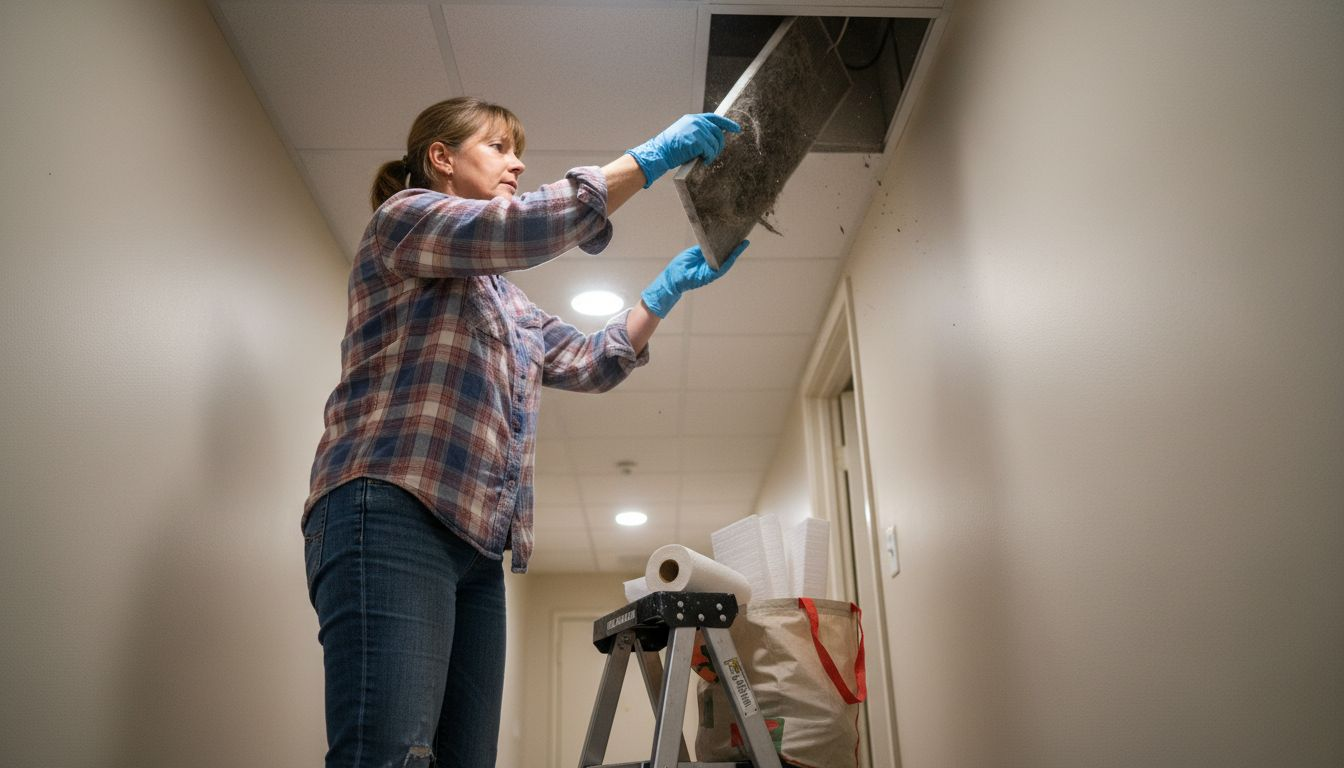
Preventive care programmes systematically address common failure points including corrosion, refrigerant leaks, and electrical faults before they compromise system integrity. Technicians inspect electrical connections, test capacitors, examine belts and bearings, and verify proper drainage to catch developing problems. These routine checks identify issues during their early stages when repairs remain straightforward and affordable.
Maintenance contracts provide structured servicing that extends equipment life by an average of one third compared to reactive approaches. This lifespan extension translates into thousands of pounds in delayed replacement costs, making scheduled servicing highly cost-effective over the system’s operational period. The maintenance benefits multiply when you consider avoided emergency repairs and sustained efficiency.
Regional climate considerations in Suffolk, Norfolk, and Essex require attention to seasonal demands, with systems experiencing stress during both summer cooling and winter heating periods. Scheduling maintenance before peak usage seasons ensures your HVAC operates reliably when you need it most, avoiding breakdowns during temperature extremes when repair costs and wait times increase.
Key preventive maintenance activities that extend lifespan include:
- Inspecting refrigerant lines for leaks and proper insulation
- Testing electrical connections and replacing worn contactors
- Examining condensate drains to prevent water damage and corrosion
- Checking compressor function and refrigerant pressures
- Verifying proper airflow and ductwork integrity
Pro tip: Schedule your biannual maintenance visits in spring and autumn, before summer and winter peak demand periods, to ensure your system operates reliably when you need it most and technicians have better availability for thorough inspections.
Quantifying the cost benefits of preventive HVAC maintenance
Emergency HVAC repairs typically cost 50-60% more than scheduled servicing due to after-hours call-out fees, rushed parts procurement, and the urgency premium that comes with system failures. Routine maintenance costs less than half of emergency repair expenses, reducing overall HVAC ownership costs significantly whilst providing budget predictability. This financial advantage becomes even more pronounced when you factor in the inconvenience and potential property damage from unexpected system failures.
Preventive maintenance reduces breakdown incidence by up to 70% by addressing developing problems before they cause failures, creating substantial cost savings over equipment lifetime. When technicians identify worn components during routine inspections, replacement occurs on your schedule at standard rates rather than during emergencies when costs spike. This proactive approach eliminates most surprise repair bills that strain household and business budgets.
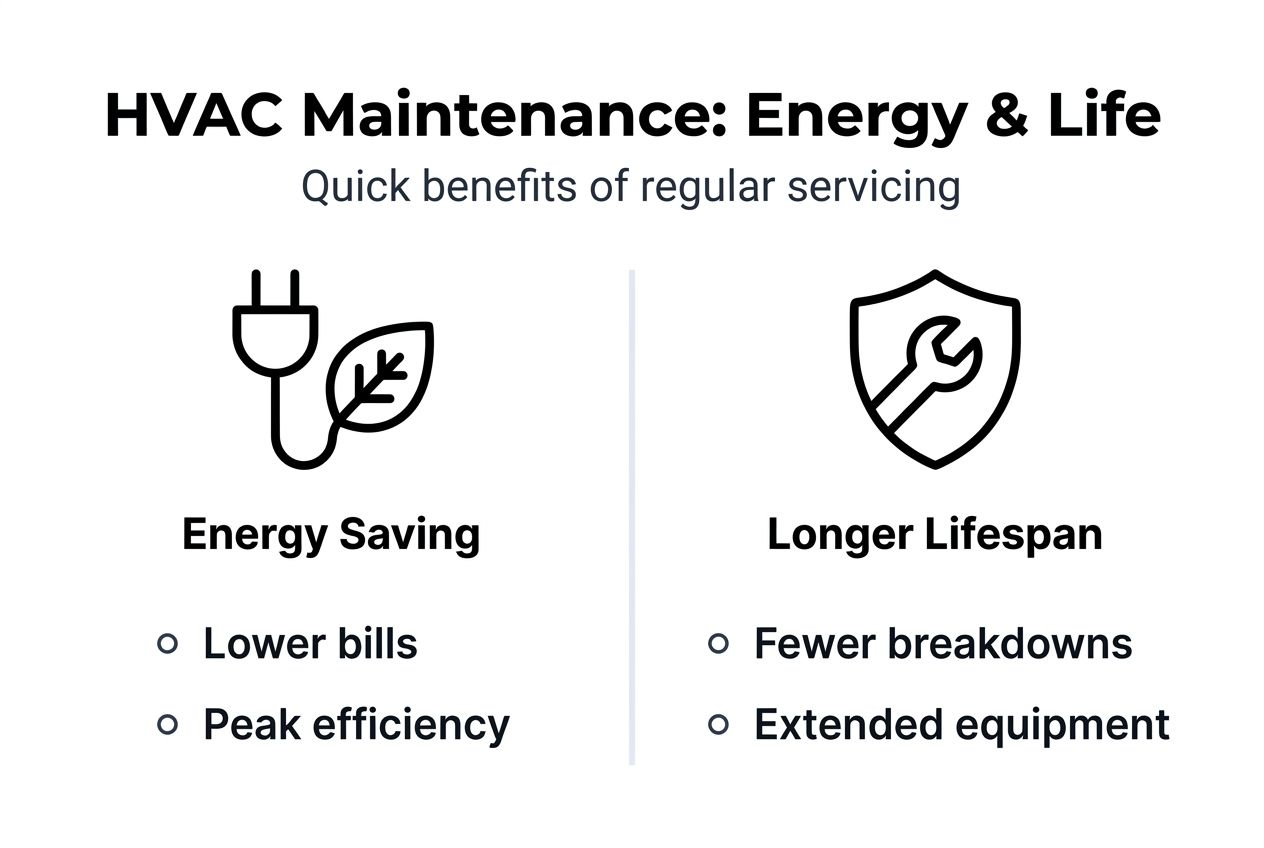
Maintenance contracts offer cost predictability through fixed annual fees that cover regular servicing, priority scheduling, and often discounted repair rates when issues arise. These programmes ensure consistent care whilst protecting against the financial uncertainty of reactive maintenance approaches. The structured nature of contracts prevents the common pattern of deferred servicing that leads to accelerated system degradation.
| Approach | Annual Cost | Breakdown Risk | Average Lifespan | Long-Term Value |
|---|---|---|---|---|
| Reactive repairs | £800-1,200 | High (frequent emergencies) | 10-12 years | Poor (high total cost) |
| Basic DIY | £200-400 | Moderate (missed issues) | 12-14 years | Fair (limited protection) |
| Professional preventive | £350-600 | Low (early detection) | 18-20 years | Excellent (maximum lifespan) |
| Premium maintenance plan | £450-750 | Very low (comprehensive care) | 20-22 years | Outstanding (best protection) |
The lifecycle cost analysis demonstrates how maintenance investment pays for itself through extended equipment life, reduced energy consumption, and avoided emergency repairs. When you calculate total ownership costs over 15-20 years, professionally maintained systems cost significantly less to operate than neglected ones despite the regular service fees.
Essential maintenance tasks by frequency and cost impact:
- Monthly: Check and replace air filters (£5-15 each) to maintain airflow and protect components from dust damage.
- Quarterly: Inspect thermostat operation and clean around outdoor units (included in plans) to ensure accurate control.
- Biannually: Professional inspection, cleaning, and tune-up (£150-300 per visit) catching 95% of potential failures.
- Annually: Refrigerant level check, electrical testing, and motor lubrication (included in comprehensive service) preventing costly repairs.
- Every two years: Deep coil cleaning and ductwork inspection (£200-400) restoring peak efficiency and indoor air quality.
Recognising signs your HVAC system needs immediate maintenance
Rising energy bills by 10-20% without increased usage signal declining efficiency from component wear, refrigerant leaks, or airflow restrictions that force your system to work harder. A 10-20% rise in energy bills along with uneven temperatures and odd noises are key signs your HVAC needs service soon. These increases often develop gradually, making them easy to overlook until reviewing annual consumption patterns reveals the trend.
Uneven heating or cooling across different rooms indicates airflow problems, ductwork issues, or failing components that prevent proper air distribution. You might notice some spaces remaining uncomfortable whilst others feel fine, or temperature variations that worsen over time. These symptoms suggest your system cannot maintain consistent performance across its designed coverage area.
Strange noises including grinding, squealing, banging, or rattling point to mechanical problems requiring immediate attention before minor issues escalate into major failures. Unusual sounds often indicate loose components, worn bearings, failing motors, or debris in the system. Ignoring these warnings typically results in complete component failure and emergency repair costs far exceeding preventive service expenses.
Frequent cycling where your system turns on and off repeatedly in short intervals reduces equipment life whilst failing to maintain comfortable temperatures effectively. This behaviour indicates problems with thermostats, refrigerant levels, electrical components, or airflow restrictions. Each unnecessary cycle adds wear to compressors and motors whilst wasting energy through inefficient operation.
Ignoring warning signs typically leads to complete system failures during peak demand periods when repair costs spike and technician availability becomes limited. Emergency breakdowns create uncomfortable conditions, potential property damage from temperature extremes, and the stress of urgent repairs. The maintenance checklist helps identify problems before they reach crisis levels.
Common warning signs requiring professional attention:
- Persistent musty or burning odours suggesting mould growth or electrical issues
- Visible moisture or leaks around indoor or outdoor units indicating drainage problems
- Reduced airflow from vents despite system operation suggesting blockages
- System running constantly without reaching set temperatures showing capacity problems
- Tripped circuit breakers or blown fuses pointing to electrical faults
Regular monitoring combined with prompt professional assessment when symptoms appear prevents expensive repairs whilst maintaining system reliability. The Which? guide emphasises how early intervention costs far less than deferred maintenance that allows problems to compound.
Common misconceptions about HVAC maintenance that could cost you
Many property owners believe DIY maintenance suffices for HVAC care, yet professional HVAC maintenance identifies over 60% more issues than DIY efforts, crucial for preventing failures. Whilst homeowners can handle basic tasks like filter changes, comprehensive servicing requires specialised tools, technical knowledge, and diagnostic equipment unavailable to most DIY enthusiasts. Professional technicians spot developing problems invisible to untrained observers, providing value far exceeding service costs.
The misconception that modern efficient systems need minimal care actually reverses reality, as advanced HVAC equipment requires approximately 25% more targeted maintenance than older units due to sophisticated controls and components. High-efficiency systems use variable-speed motors, electronic controls, and precise refrigerant management that demand expert calibration and monitoring. Neglecting these requirements wastes the efficiency advantages that justify premium equipment investments.
Some believe skipping maintenance saves money in the short term, but this approach shortens equipment life by 20-30% whilst dramatically increasing repair costs through accelerated component wear. The false economy of deferred servicing creates a cycle of declining performance, rising energy bills, and eventual catastrophic failures requiring full system replacement. Total ownership costs over equipment lifetime prove preventive maintenance far more economical than reactive repairs.
Another dangerous myth suggests service is only necessary when visible problems occur, yet this reactive approach misses the 95% of developing issues that show no obvious symptoms until failure occurs. By the time most owners notice problems, damage has progressed beyond simple preventive measures into expensive repair territory. Regular professional checks catch issues during their early stages when intervention remains straightforward and affordable.
The HVAC servicing best practices emphasise how manufacturer warranties often require documented professional maintenance, making DIY approaches potentially void expensive coverage. Insurance claims for HVAC-related damage may also face rejection without proof of proper servicing, creating financial exposure beyond immediate repair costs.
Key facts that dispel common misconceptions:
- Professional inspections use calibrated instruments measuring performance parameters impossible to assess visually
- Modern systems contain electronics sensitive to voltage fluctuations and environmental conditions requiring expert monitoring
- Refrigerant handling requires certification due to environmental regulations and safety concerns beyond DIY capability
- Warranty compliance demands manufacturer-approved service procedures and documentation unavailable through DIY maintenance
- Hidden problems in ductwork, insulation, and airflow account for 30-40% of efficiency losses undetectable without professional assessment
Pro tip: Trust certified professionals for comprehensive inspections and always maintain service records, as documentation proves warranty compliance and provides valuable system history for future troubleshooting and insurance purposes.
Building and sustaining an effective HVAC maintenance routine
Establish biannual professional inspections targeting pre-seasonal servicing before summer and winter peak demand periods to ensure optimal performance when you need it most. Spring inspections prepare cooling systems for summer whilst autumn servicing readies heating functions for winter, aligning maintenance with actual usage patterns. This strategic timing catches developing problems before seasonal stress exacerbates them into failures.
Replace air filters quarterly or according to manufacturer recommendations, more frequently if you have pets, allergies, or live in dusty environments that accelerate filter loading. Clean filters maintain proper airflow, protect internal components from contamination, and preserve indoor air quality alongside system efficiency. This simple task provides substantial protection for minimal cost and effort.
Schedule annual refrigerant level checks and electrical component testing to verify system performance meets manufacturer specifications and identify developing problems early. Refrigerant levels drift over time through minor leaks whilst electrical connections loosen from thermal cycling and vibration. Professional verification ensures your system operates at peak capacity without wasting energy through suboptimal operation.
Maintenance contracts or memberships ensure consistent service delivery whilst protecting manufacturer warranties that require documented professional care. These programmes provide scheduled reminders, priority booking, and often include discounts on repairs when issues arise. The structured approach prevents the common problem of deferred maintenance that develops when owners must actively remember and schedule each service visit.
Adapt your maintenance schedule to regional climate demands in Suffolk, Norfolk, and Essex, where systems experience stress from both heating and cooling requirements throughout the year. Coastal properties may need additional attention to corrosion from salt air whilst rural locations might require more frequent filter changes due to agricultural dust. The maintenance plan benefits include customisation for local conditions.
Comprehensive maintenance tasks with recommended timing:
- Spring preparation (March-April): Clean outdoor coils, check cooling capacity, test refrigerant pressures, and verify proper drainage before summer demand increases.
- Autumn preparation (September-October): Inspect heating elements, test safety controls, clean burners or heat exchangers, and verify proper combustion before winter heating season.
- Quarterly tasks (every three months): Replace air filters, check thermostat accuracy, clean around outdoor units, and verify proper system operation through simple tests.
- Monthly monitoring (year-round): Listen for unusual noises, watch for performance changes, check energy bills for unexpected increases, and ensure vents remain unobstructed for proper airflow.
- Annual deep service (coordinate with biannual schedule): Comprehensive electrical testing, motor lubrication, belt inspection, condensate system cleaning, and full performance verification against specifications.
Discover reliable HVAC maintenance services in Suffolk, Norfolk, and Essex
Protecting your HVAC investment requires professional expertise tailored to local climate demands and regional service standards throughout Suffolk, Norfolk, and Essex. Experienced technicians understand the specific challenges facing systems in these areas, from coastal salt exposure to seasonal temperature extremes that stress equipment.

Comprehensive maintenance plans deliver year-round protection through scheduled servicing, priority emergency response, and expert care that extends system life whilst controlling costs. Professional programmes combine preventive inspections with prompt repairs when needed, ensuring consistent comfort and efficiency. Specialised services in Essex and surrounding counties provide convenient access to certified technicians who maintain manufacturer standards.
Investing in structured maintenance protects your property value whilst ensuring reliable climate control through every season. Review the comprehensive maintenance checklist to understand the thorough care your system deserves, then explore service options that match your specific needs and budget.
Frequently asked questions about HVAC maintenance
What is the ideal frequency for HVAC maintenance in Suffolk, Norfolk, and Essex?
Biannual professional servicing provides optimal protection, with inspections scheduled before summer cooling and winter heating seasons to address regional climate demands. This frequency catches developing problems early whilst ensuring peak performance during high-demand periods.
Can regular maintenance reduce my HVAC system’s energy bills significantly?
Yes, consistent professional care prevents the 15% efficiency loss that occurs without maintenance, directly reducing energy consumption and costs. Well-maintained systems operate at manufacturer-rated efficiency, avoiding the increased energy use from worn components and restricted airflow.
Why should I choose professional servicing over DIY maintenance?
Professionals identify over 60% more issues than DIY efforts using specialised diagnostic equipment and technical expertise unavailable to most property owners. Regular professional maintenance also ensures warranty compliance and catches hidden problems before they cause expensive failures.
How does maintenance protect my HVAC system warranty?
Manufacturer warranties typically require documented professional servicing at specified intervals to remain valid, making DIY approaches potentially void expensive coverage. Service records prove compliance and provide crucial system history for warranty claims and future troubleshooting.
What local factors affect HVAC maintenance needs in these regions?
Coastal properties face increased corrosion risk from salt air requiring more frequent inspections, whilst rural locations may need additional filter changes due to agricultural dust. Seasonal temperature variations in Suffolk, Norfolk, and Essex create dual heating and cooling demands that increase system stress compared to single-purpose climates.