

How to reduce HVAC energy costs: practical guide
TL;DR:
- Regularly replacing filters, sealing duct leaks, and scheduling annual professional tune-ups can significantly reduce HVAC energy costs. Using smart thermostats and proper zone control further optimizes energy efficiency and saves money. Maintaining good ductwork conditions and choosing properly sized, high-efficiency equipment ensures long-term savings and system performance.
Reducing HVAC energy costs means cutting your heating and cooling bills by up to 40% through a combination of maintenance habits, smart thermostat management, duct sealing, and targeted equipment upgrades. Leaky ducts alone cause 20–30% conditioned air loss in average homes, while a dirty filter quietly drains 5–15% extra energy every month. Smart thermostats from brands like Nest and Ecobee reduce consumption by 8–15% annually and typically pay for themselves within 12–18 months. Whether you own a home in Suffolk or manage a commercial property in Essex, the steps below will deliver measurable savings without requiring an engineering degree.
What practical maintenance habits reduce HVAC energy costs quickly?
The fastest wins in cutting your HVAC bills come from maintenance tasks you can start this week. None of them require specialist tools, and each one compounds over time.
Replace filters on a consistent schedule
Replacing a dirty filter with a clean one reduces energy consumption by 5–15%. That figure matters because most households go three to six months between changes, meaning the system works harder every single day. During peak seasons, check your filter every 30–60 days. A clogged filter restricts airflow, forces the fan motor to strain, and shortens the life of the entire system.
Book an annual professional tune-up
HVAC systems lose up to 5% efficiency annually without professional maintenance. Over five years, that compounds into a system running at 75% of its original capacity while you pay full-price energy bills. A qualified engineer will check refrigerant levels, clean coils, inspect electrical connections, and catch component wear before it becomes a costly breakdown. Annual servicing is the single most reliable way to protect your investment.
Keep vents clear and set the fan correctly
- Clear at least 6 inches of space around every supply and return vent. Blocked vents reduce efficiency by 5–10%, and furniture or curtains are the most common culprits.
- Set your thermostat fan to AUTO, not ON. Running the blower continuously wastes electricity and re-evaporates moisture from the coils, reducing comfort and raising bills.
- Inspect visible ductwork for gaps or loose joints. Use HVAC-rated foil tape or mastic sealant for any repairs you find.
- Clear debris from around outdoor condenser units. Restricted airflow around the condenser forces the compressor to work harder.
Pro Tip: Set a recurring calendar reminder every 45 days to check your filter. Pair it with another regular task, such as paying a utility bill, so it never gets skipped.
For a structured overview of energy-saving best practices, Akita’s resource library covers both residential and commercial scenarios in detail.
How does thermostat management affect HVAC energy costs?
Thermostat settings are the most underused lever for cutting heating and cooling bills. Most people set a temperature and forget it. That approach leaves significant savings on the table.

The US Department of Energy’s guidance is clear: a setback of 7–10°F for 8 hours a day saves up to 10% annually on heating and cooling costs. Each 1°F adjustment equates to roughly 1% in energy savings. Applied consistently across a year, those small shifts add up to a meaningful reduction in your bills.
How to get the most from thermostat scheduling
- Set a weekday schedule. Programme lower temperatures during working hours when the property is empty, and schedule the system to recover 30 minutes before occupants return.
- Adjust for seasons. In winter, target 18–19°C when occupied and 15°C when away. In summer, raise the cooling setpoint by 2–3°C during unoccupied hours.
- Upgrade to a smart thermostat. Devices like Nest Learning Thermostat and Hive Active Heating learn your patterns, use occupancy sensing, and adjust automatically. They pay for themselves within 12–18 months in most UK homes.
- Use zone control where possible. Heating or cooling unused rooms wastes energy. Zone control systems let you target only the spaces in use, which is particularly valuable in larger commercial properties.
- Review your schedule seasonally. A schedule set in October will not suit March. Revisit settings at the start of each season to keep them aligned with actual occupancy patterns.
Pro Tip: If you have a smart thermostat, check its energy report monthly. Most apps show you exactly which days consumed the most energy and why, giving you a clear signal when something is wrong.
Understanding how HVAC choices affect your bills goes beyond the thermostat. Akita’s guide explains how system selection interacts with your control strategy.
What role does ductwork condition play in reducing energy costs?
Ductwork is the hidden variable in most energy bills. You can have a high-efficiency system and a smart thermostat, yet still overpay if your ducts leak conditioned air into wall cavities or loft spaces.
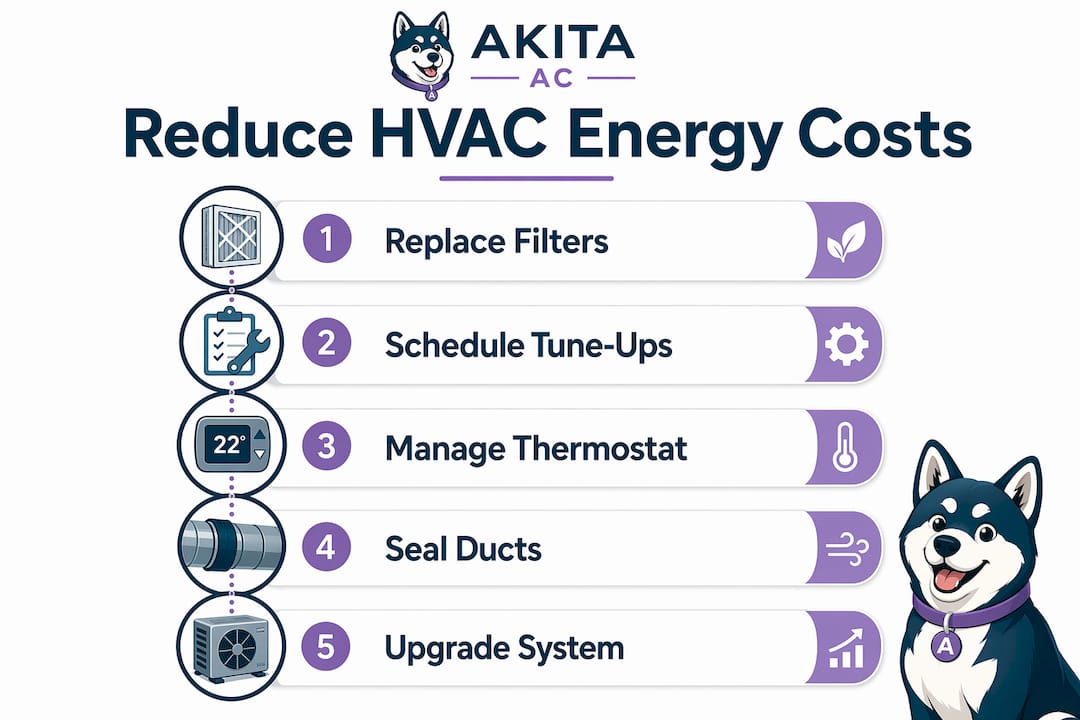
Sealing leaky ducts combined with filter and thermostat optimisation can reduce overall heating and cooling costs by 30–40%. That is not a marginal gain. It is the difference between a system that performs as designed and one that wastes nearly a third of the energy it consumes.
Sealing materials: what works and what does not
| Material | Suitable for duct sealing? | Notes |
|---|---|---|
| HVAC-rated foil tape | Yes | Durable through heat and cold cycles |
| Mastic sealant | Yes | Best for joints and irregular gaps |
| Standard duct tape | No | Fails under heat exposure, degrades quickly |
| Expanding foam | Limited | Use only for penetrations, not duct joints |
For accessible ductwork in lofts, basements, or utility cupboards, DIY sealing with foil tape or mastic delivers quick results. For hidden or complex duct runs, professional testing is the reliable route. The target for duct leakage in a well-performing system is under 4 CFM25 per 100 sq.ft of conditioned space. A qualified engineer can test your system against that benchmark.
One critical sequence to follow: seal air leaks before adding insulation. Air sealing must come before insulation to prevent drafts from negating the insulation’s benefit entirely. Many property owners get this the wrong way round and wonder why their energy bills barely move.
Pro Tip: Hold a lit incense stick near duct joints while the system runs. Smoke that wavers or blows sideways indicates a leak. It is a low-cost diagnostic you can do in 20 minutes.
How to choose energy-efficient HVAC upgrades that cut long-term costs
Maintenance and thermostat management deliver fast returns. Equipment upgrades deliver the largest long-term savings, particularly when the existing system is more than ten years old.
ENERGY STAR-certified heat pumps reduce heating costs by up to 50% compared to older electric resistance systems. Heat pumps move heat rather than generate it, making them far more efficient in mild climates like the UK. Many models also qualify for government incentive schemes, improving the return on investment considerably.
Key factors when selecting a new system
- Correct sizing via Manual S load calculations. An oversized system short-cycles, wearing components faster and delivering poor humidity control. An undersized system runs constantly and still fails to reach target temperatures. Manual S load calculations and Manual D duct design separate high-performing installations from average ones.
- Inverter technology. Inverter-driven compressors modulate output to match demand rather than switching on and off at full power. This reduces energy consumption and wear significantly compared to fixed-speed units.
- ECM motors. Electronically commutated motors in the air handler use up to 75% less electricity than standard motors for the same airflow.
- Variable refrigerant flow (VRF) systems. For commercial properties with multiple zones, VRF systems deliver precise temperature control across different areas simultaneously, cutting waste in large buildings.
- Shade the outdoor condenser. A condenser in direct sunlight works harder to reject heat. Planting shrubs or installing a shade structure on the west or south side of the unit can reduce compressor workload noticeably.
Many homeowners delay upgrades until system failure, missing years of savings and the tax incentives available on modern equipment. Planning a replacement before the old system fails gives you time to choose correctly and take advantage of available schemes.
For guidance on sizing your system correctly, Akita’s article on HVAC load calculations explains the process in plain language for homeowners.
What common mistakes undermine HVAC energy efficiency?
Avoiding these errors is as valuable as implementing the positive steps above.
- Running the fan on ON continuously. This wastes electricity and re-evaporates moisture from the cooling coil, making the air feel less comfortable even as the system runs longer.
- Blocking supply or return vents. Furniture, curtains, and storage boxes are the most common causes. Blocked vents increase system strain by 5–10% and create uneven temperatures across rooms.
- Delaying filter replacement and annual servicing. Each year without a tune-up costs roughly 5% in lost efficiency. Over three years, that is a system running at 85% capacity while consuming full energy.
- Insulating before sealing air leaks. Adding loft or wall insulation without first sealing gaps allows drafts to persist beneath the insulation layer, negating much of the benefit.
- Skipping professional duct testing. Hidden leaks in wall cavities or above ceilings are invisible to the naked eye. Without a pressure test, you cannot know how much conditioned air you are losing.
Key takeaways
Reducing HVAC energy costs requires a layered approach: consistent maintenance, smart thermostat scheduling, proper duct sealing, and targeted equipment upgrades working together.
| Point | Details |
|---|---|
| Filter replacement | Change filters every 30–60 days during peak seasons to maintain 5–15% efficiency gains. |
| Thermostat setback | A 7–10°F setback for 8 hours daily saves up to 10% annually on heating and cooling bills. |
| Duct sealing | Sealing leaky ducts with foil tape or mastic sealant can recover 20–30% of lost conditioned air. |
| Equipment upgrades | ENERGY STAR heat pumps cut heating costs by up to 50% and often qualify for government incentives. |
| Correct system sizing | Manual S load calculations prevent oversizing and undersizing, both of which waste energy and money. |
What i have learned after years of installing and servicing HVAC systems
The clients who see the biggest reductions in their energy bills are rarely the ones who bought the most expensive equipment. They are the ones who treat their system as something that needs regular attention, not just emergency repairs.
The most common pattern I see is this: a homeowner or business owner invests in a quality installation, then does nothing for three or four years. By the time they call us, the system is running at a fraction of its designed efficiency, the filters are blocked, and the ductwork has developed leaks that have been quietly wasting energy for years. The savings they could have captured were real. They simply were not claimed.
What actually works is building small habits: a filter check every six weeks, an annual service booked before the peak season, and a thermostat schedule that reflects how you actually use the building. These actions cost very little and compound significantly over time.
The other thing I would push back on is the instinct to delay equipment upgrades. Efficiency gains depend on system design and airflow optimisation, not just the unit itself. A well-designed installation of a modern inverter system, sized correctly and commissioned properly, will outperform a premium unit installed without proper load calculations. Get the fundamentals right, and the savings follow.
Monitor your energy use. Most smart meters and thermostat apps will show you anomalies before they become expensive problems. A sudden spike in consumption almost always has a cause you can fix.
— Akita
How Akita helps you lower your HVAC energy bills
Akita installs and maintains high-efficiency air conditioning systems for homes and businesses across Suffolk, Norfolk, and Essex. Every installation is sized correctly using proper load calculations, and Akita’s engineers handle duct integrity and smart thermostat integration as standard.
Whether you are upgrading a family home or fitting out a commercial premises, Akita offers domestic air conditioning installation with fixed, transparent pricing and flexible finance options. For business owners, Akita’s commercial air conditioning solutions deliver the energy-efficient systems and professional maintenance that keep running costs under control year after year. Get in touch to find out which system suits your property and budget.
FAQ
How much can i save by sealing leaky ducts?
Sealing leaky ducts, combined with filter and thermostat improvements, can reduce heating and cooling costs by 30–40%. Leaky ducts alone cause 20–30% conditioned air loss in average homes.
How often should i replace my HVAC filter?
Replace your filter every 30–60 days during peak heating or cooling seasons. A clean filter reduces energy consumption by 5–15% compared to a clogged one.
Are smart thermostats worth the cost?
Smart thermostats reduce HVAC energy consumption by 8–15% annually and typically pay for themselves within 12–18 months. Devices like Nest and Hive automate scheduling and occupancy sensing to deliver savings without manual adjustment.
What is the best material for sealing ducts?
Use HVAC-rated foil tape or mastic sealant for duct repairs. Standard duct tape fails under heat exposure and should never be used on ductwork.
How do i know if my HVAC system is the right size?
A correctly sized system is determined by Manual S load calculations, which account for your property’s insulation, orientation, and occupancy. An oversized or undersized system wastes energy and wears out faster than one matched to the actual load.