

How HVAC choices affect your energy bills: a practical guide
TL;DR:
- Proper HVAC maintenance can save up to 30% on energy costs for UK homeowners and businesses.
- Choosing correctly sized, modern systems and maintaining them consistently ensures optimal efficiency and lower bills.
- Treating HVAC as an ongoing process rather than a one-time purchase maximizes long-term savings and comfort.
Most UK homeowners and businesses treat their heating and cooling costs as fixed overheads, like rent or business rates, things you simply pay and move on. That assumption is costing you money. Regular HVAC maintenance alone can save up to 30% on energy costs, before you even consider upgrading to more efficient equipment. This guide breaks down why your HVAC system has more influence over your bills than almost any other factor in your building, what mistakes people make, which systems actually deliver savings, and the practical steps you can take right now to see a real difference.
Table of Contents
- Why HVAC systems are central to energy bills
- Common HVAC mistakes that cost you more
- Efficient options: boilers, air conditioning and modern upgrades
- Maintenance: the hidden secret to slashing energy bills
- A fresh perspective: why the ‘set and forget’ approach to HVAC is expensive
- Ready to cut your energy bills? Your next steps
- Frequently asked questions
Key Takeaways
| Point | Details |
|---|---|
| Major savings possible | Regular HVAC maintenance can cut your energy bills by up to 30 percent. |
| Efficiency starts with installation | Properly chosen and installed systems avoid costly energy mistakes. |
| Upgrade for long-term benefit | Modern condensing boilers and efficient AC units deliver lower bills and greener homes. |
| Ongoing attention required | Even new HVAC systems need routine care to keep saving energy. |
| Small steps matter | Simple changes, such as filter checks and annual inspections, can make a big difference. |
Why HVAC systems are central to energy bills
Heating, ventilation, and air conditioning are not background expenses. In most UK homes and commercial buildings, these systems are the single largest consumer of electricity and gas. When bills spike, people blame energy tariffs or the time of year. The real culprit is often sitting in the plant room or loft, quietly running at far below its intended efficiency.
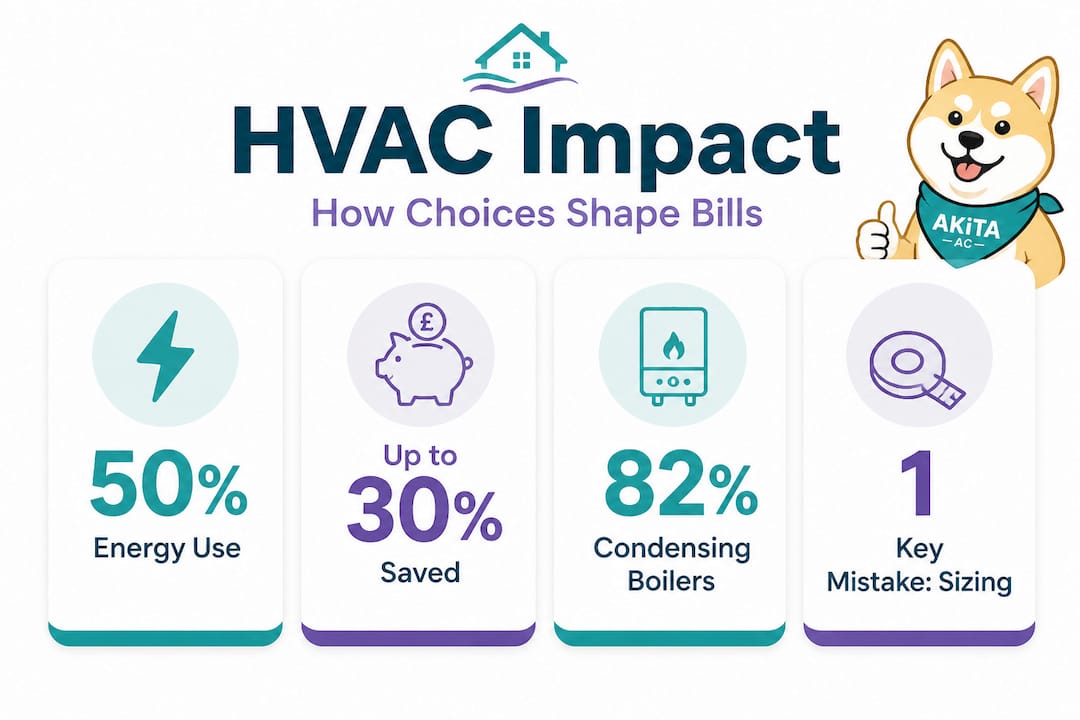
Heating and cooling can account for roughly half of total energy consumption in a typical UK property. In commercial premises, that figure can climb even higher depending on the building’s age, insulation quality, and how the HVAC system was originally specified. The uncomfortable reality is that up to 30% of energy in commercial HVAC systems is wasted through poor maintenance, incorrect sizing, or outdated equipment, without the occupants ever realising it.
What makes this particularly frustrating is that the waste is largely invisible. A boiler that has not been serviced in three years still produces heat. An air conditioning unit with a dirty filter still blows cold air. Neither system shows obvious signs of failure, but both are drawing significantly more energy than they need to. Understanding the energy savings from HVAC maintenance changes how you think about every pound you spend on your system.
Here is a snapshot of where HVAC energy waste typically originates:
- Dirty or blocked filters forcing fans to work harder and draw more current
- Poorly sealed ductwork leaking conditioned air before it reaches the room
- Oversized or undersized systems that cycle incorrectly and never reach steady-state efficiency
- Ageing refrigerant levels reducing the output of air conditioning units
- Unserviced boilers operating at degraded combustion efficiency
“The majority of HVAC energy waste is preventable. It is not about the tariff or the weather; it is about the condition and specification of the equipment.” This is the core truth that most energy bills never tell you.
Simple changes, including annual servicing, filter replacement, and correct thermostat settings, have measurable and significant potential. Accepting high bills as normal is not a strategy. It is an expensive habit.
Common HVAC mistakes that cost you more
Now that you know how much influence HVAC has, it is crucial to spot and avoid the expensive mistakes many make. The most damaging errors are not dramatic system failures. They are quiet, ongoing problems that quietly inflate every bill you receive.
The single most common and costly mistake is incorrect system sizing. Wrong sizing causes short cycling, the process where an oversized unit reaches its target temperature too quickly, switches off, and then restarts frequently. Each restart draws a surge of energy. Over thousands of cycles across a winter, this adds up to a serious cost. Undersized systems have the opposite problem: they run almost continuously trying to reach a temperature they can never quite achieve, consuming energy the whole time without ever delivering real comfort.
The belief that a bigger unit equals better performance is one of the most persistent and expensive myths in HVAC. An oversized boiler in a semi-detached house will cost more to run than a correctly sized model, every single month, for as long as it is installed. The same principle applies to air conditioning units in offices and retail spaces.
Here are the most frequent HVAC mistakes found in UK homes and workplaces:
- Installing an oversized unit based on a rough estimate rather than a proper heat load calculation
- Neglecting annual servicing, allowing efficiency losses to compound year on year
- Keeping an old boiler beyond its useful life, when a modern condensing unit would pay for itself within a few years
- Not using programmable or smart thermostats, leading to heating or cooling empty rooms
- Blocking or covering vents and radiators with furniture, forcing the system to overwork
- Ignoring unusual sounds or increased bills until a full breakdown occurs
“A poorly maintained HVAC system is like driving a car with flat tyres. It still moves, but the effort required is disproportionate to the progress made.”
Pro Tip: Before investing in new equipment, commission a proper load calculation from a qualified engineer. This single step will save you more money over the lifetime of the system than almost any other decision you make. You can find HVAC upgrade tips and a breakdown of what to consider before committing to any new installation, as well as a more detailed look at how UK HVAC energy savings play out in real-world settings.
Efficient options: boilers, air conditioning and modern upgrades
Knowing what not to do, let us compare the best options currently available if you are considering an upgrade. The UK market has shifted considerably over the past decade, and the gap in running costs between older and modern systems is now very significant.
Condensing boilers now feature in 82% of UK homes, a proportion that has grown substantially due to building regulations requiring their installation in new and replacement scenarios. Condensing boilers recover heat from exhaust gases that older boilers simply vented into the atmosphere. This recovery process pushes their efficiency well above 90%, compared to as low as 60 to 70% for older non-condensing models. That difference translates directly into your gas bill.
Modern air conditioning units, particularly inverter-driven split systems, are also far more efficient than their predecessors. An inverter unit adjusts its compressor speed to match the demand of the room, rather than simply switching fully on and fully off. This variable output means far less wasted energy and more consistent comfort.
| System type | Typical efficiency | Running cost potential | Best suited for |
|---|---|---|---|
| Non-condensing boiler | 60 to 70% | High | Older properties awaiting upgrade |
| Condensing combi boiler | 90%+ | Low to medium | Most UK homes |
| Inverter split air con | Up to 500% COP | Very low | Year-round heating and cooling |
| Air source heat pump | 200 to 400% COP | Low | Well-insulated modern properties |
| Older fixed-speed AC | 60 to 80% rated | High | Not recommended for new installs |
A few additional points worth noting about modern upgrades:
- Smart controls integrated with modern HVAC systems allow scheduling by room, time of day, and occupancy, reducing waste without reducing comfort
- Heat pumps produce more energy output than they consume by moving heat rather than generating it, making them the most efficient option where the building envelope supports them
- Zoned heating and cooling allows different areas of a building to be controlled independently, a game-changer for larger homes and commercial premises
Choosing the right system for your specific building, rather than the most powerful or the cheapest option on the shelf, is where the real savings are found.
Maintenance: the hidden secret to slashing energy bills
Choosing efficient equipment sets the foundation; ongoing maintenance is what ensures these benefits are realised. You can install the best system on the market today and, without proper care, watch it degrade to mediocre performance within two or three years.
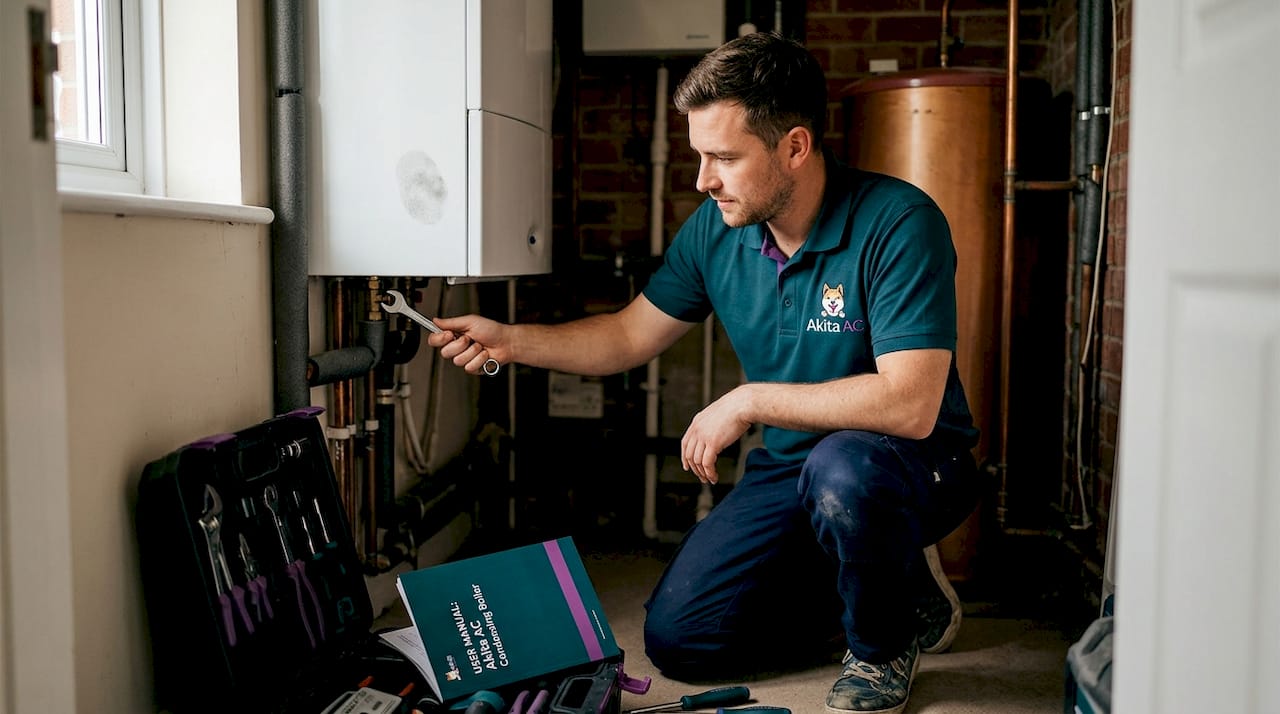
Regular HVAC maintenance can save up to 30% on energy costs for UK homeowners and businesses. To put that in concrete terms: if your combined heating and cooling bill is £2,000 per year, consistent maintenance could put £600 back in your pocket annually, simply by keeping the system working as designed.
Here is what the savings look like across common maintenance actions:
| Maintenance action | Estimated energy saving | Frequency recommended |
|---|---|---|
| Annual professional service | Up to 15% | Once per year |
| Filter replacement | 5 to 10% | Every 3 months |
| Refrigerant level check | 3 to 5% | Annual or as needed |
| Duct inspection and sealing | Up to 20% | Every 2 to 3 years |
| Smart thermostat calibration | 5 to 12% | Annual |
Pro Tip: Set a recurring calendar reminder for your annual HVAC service at the same time every year. The best time to book in the UK is late summer for heating systems and early spring for cooling systems, before the demand peaks and engineers are fully booked.
Follow these practical steps to get started on a proper maintenance routine:
- Book an annual inspection with a qualified engineer who can assess combustion efficiency, refrigerant charge, electrical components, and controls
- Replace filters on schedule, not just when they look dirty, because airflow restriction builds gradually and is easy to overlook
- Check for visible leaks or corrosion around pipework, joints, and outdoor units after winter
- Install a smart thermostat if you have not already, and configure it to match your actual occupancy patterns rather than leaving it on a fixed programme
- Keep outdoor units clear of debris, vegetation, and obstructions that reduce airflow and force the compressor to work harder
You can find a detailed step-by-step HVAC maintenance guide that walks through each of these actions, along with a breakdown of the long-term financial benefits of following a proper HVAC maintenance plan throughout the year.
A fresh perspective: why the ‘set and forget’ approach to HVAC is expensive
There is a mindset that separates genuinely energy-efficient buildings from those that simply have modern-looking equipment. Most homeowners and business managers focus their attention on the purchase decision. They research systems, compare specifications, choose a reputable installer, and then essentially forget about the whole thing until something goes wrong.
That approach is understandable. A new boiler or air conditioning system feels like a problem solved. But maintenance savings of 30% demonstrate clearly that the system you install on day one and the system you actually run three years later are two very different things if you have not maintained it properly.
We have seen this pattern repeatedly across properties in Suffolk, Norfolk, and Essex. A business invests in a high-efficiency system, experiences genuine savings in the first year, and then gradually those savings erode as filters block, refrigerant levels drift, and minor faults go unaddressed. By year three or four, the energy bills look almost as bad as before the upgrade. The hardware is fine. The neglect is the problem.
The properties with the most consistently low energy bills are rarely those with the newest equipment. They are the ones with disciplined maintenance schedules and owners or facilities managers who treat HVAC as an active responsibility rather than a one-time purchase. Understanding the broader benefits of HVAC maintenance reframes the entire conversation: the system is not a product you own, it is a process you manage.
This shift in thinking is genuinely valuable. When you treat your HVAC system as something that requires consistent attention, you catch minor faults before they become expensive repairs, you maintain peak efficiency throughout the system’s life, and you make better decisions about when to repair versus replace. The savings are not a one-off event. They compound over years.
Ready to cut your energy bills? Your next steps
Armed with these insights, it is time to translate knowledge into concrete action for lasting savings.

Whether you are a homeowner looking to upgrade from an ageing system or a business manager reviewing overheads, Akita Air Conditioning can help you move from information to results. Our team specialises in correctly specified, professionally installed, and expertly maintained climate control systems across Suffolk, Norfolk, and Essex. If you are considering a home upgrade, our domestic air conditioning installation service covers everything from initial survey to final commissioning. For a straightforward and transparent starting point, our fixed price AC install option removes the uncertainty from budgeting. Businesses with larger or multi-zone requirements will find our commercial air conditioning services designed with operational continuity and long-term efficiency in mind. Even a single professional assessment can identify savings that more than cover the cost of the visit. Start there.
Frequently asked questions
How much can I really save on energy bills with proper HVAC maintenance?
Regular maintenance can deliver up to 30% savings on energy costs for UK homeowners and businesses, making it one of the highest-return actions you can take.
What is the most efficient heating option for UK homes now?
Condensing boilers, now installed in 82% of UK homes, are the current standard for efficiency, achieving over 90% combustion efficiency compared to older models.
Can a poorly installed HVAC system increase my bills?
Yes, incorrect sizing or poor installation causes short cycling or constant running, both of which waste significant energy and push your monthly costs higher than necessary.
Is maintenance as important for new HVAC systems?
Absolutely. Even brand-new systems lose efficiency without regular servicing, and the 30% maintenance saving potential applies regardless of how old the equipment is.
Recommended
- HVAC in UK homes: comfort and energy savings explained – Akita AC
- HVAC Servicing Best Practices 2026: Save 15% Energy Costs – Akita AC
- Top tips to upgrade your home HVAC for better comfort – Akita AC
- Guide to choosing an energy efficient HVAC system UK 2026 – Akita AC
- Smart Window Treatments: 7 Energy Efficiency Tips for Homeowners