

How climate control works: a guide for homes and businesses
TL;DR:
- Climate control systems automatically regulate indoor temperature, humidity, and air quality using sensors and smart controls. They analyze environmental data to continuously adjust HVAC components for optimal comfort and efficiency, often anticipating needs with AI and weather data. Proper installation, maintenance, and control strategies ensure long-term performance and energy savings.
Climate control is the automatic regulation of indoor temperature, humidity, and air quality using sensors and intelligent controls. Unlike a basic thermostat that simply switches heating on or off, a full climate control system continuously monitors multiple environmental variables and adjusts HVAC components in real time. Understanding how climate control works helps you choose the right system, size it correctly, and maintain it for long-term performance. This guide covers the sensing technology, control logic, physical science, and smart innovations that make modern climate control systems effective for both residential and commercial use.
How does climate control sense its environment?
Climate control systems rely on a network of sensors to gather accurate data before making any adjustment. Without reliable sensing, even the most advanced control logic produces poor results.
The main sensor types found in modern climate control systems include:
- Temperature sensors placed indoors and outdoors to track ambient conditions and calculate the gap between current and target temperatures.
- Humidity sensors that detect moisture levels, triggering dehumidification when air becomes damp or humidification when it becomes too dry.
- Occupancy and motion sensors that detect whether a room is in use, allowing the system to reduce output in empty spaces and restore comfort before occupants return.
- Air quality sensors that measure CO₂ concentration and particulate levels, prompting increased ventilation when indoor air quality drops.
Smart climate control systems use AI and machine learning to analyse sensor data including occupancy, humidity, and weather forecasts to optimise HVAC operation and energy efficiency. That means the system is not just reacting to current conditions. It is anticipating what will be needed next.
External weather data adds another layer of intelligence. A system connected to a live weather forecast can pre-cool a building before a heatwave arrives, rather than struggling to catch up once temperatures peak. This anticipatory approach reduces peak energy demand and keeps occupants comfortable throughout.
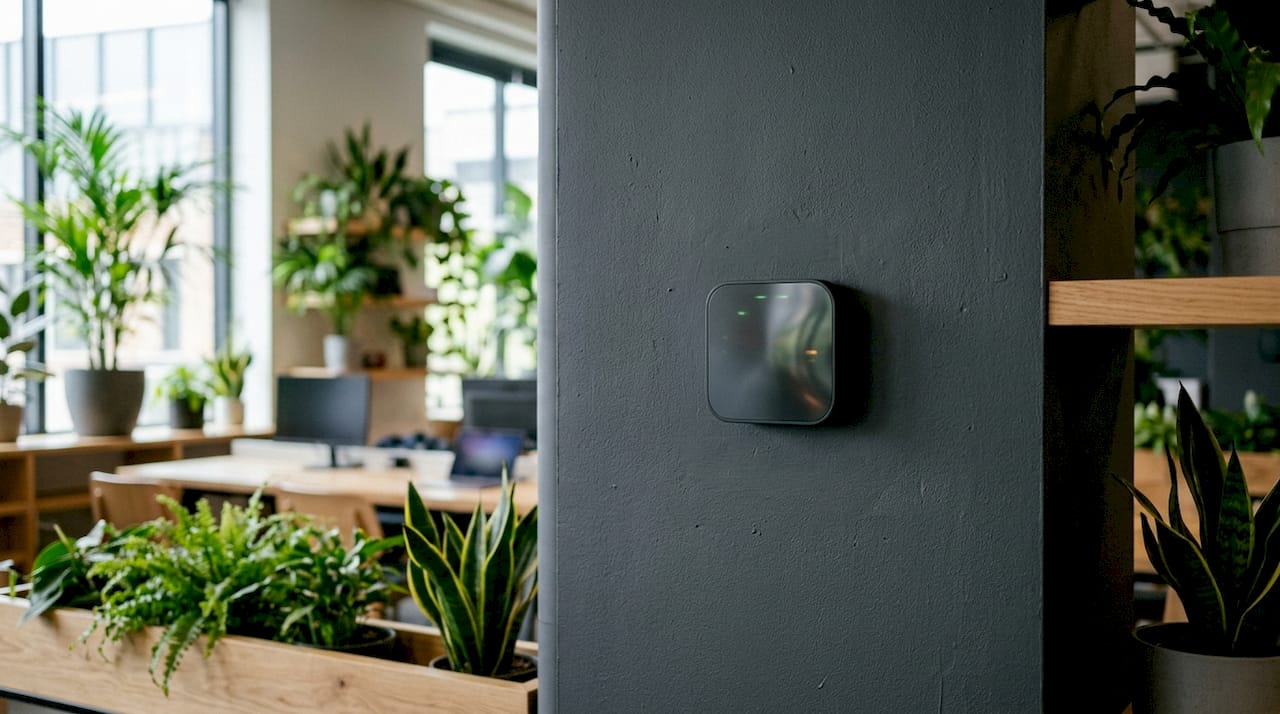
Pro Tip: Position temperature sensors away from direct sunlight, draughts, and heat-generating appliances. A poorly placed sensor gives the control unit inaccurate data, causing the system to over-heat or over-cool the space.
Understanding HVAC ventilation and air quality is closely tied to how well your sensors are configured and where they are installed.
How does a climate control system make adjustments?
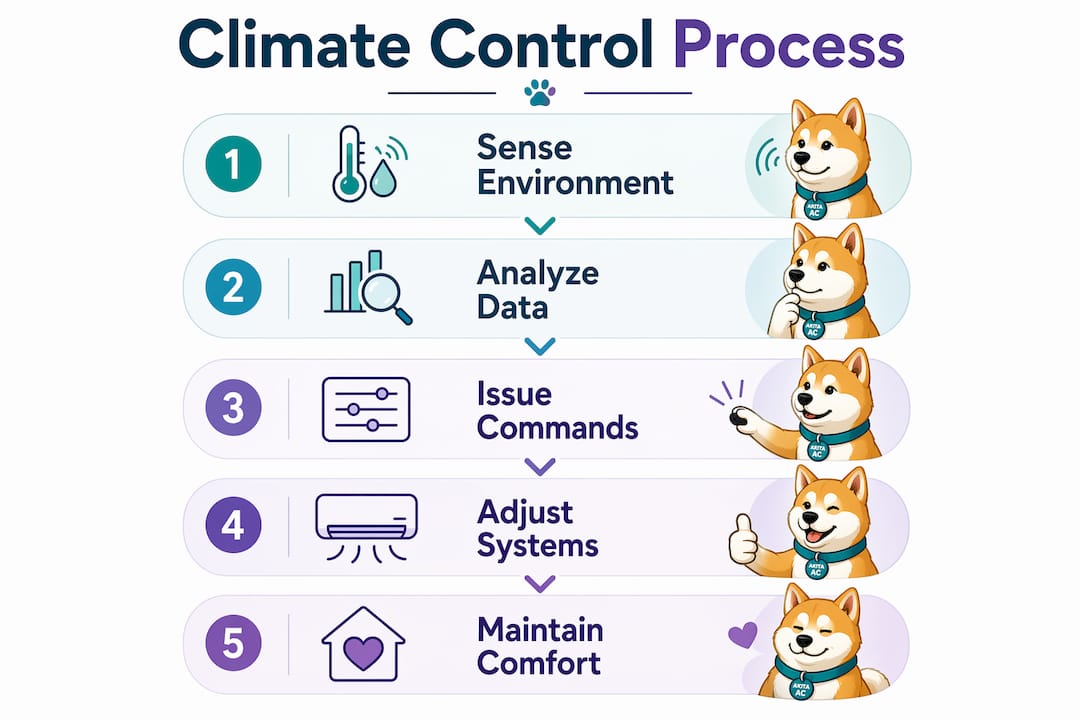
The control unit is the brain of any climate control system. It receives sensor data continuously and issues commands to HVAC components to keep conditions within the target range.
Automatic climate control uses a closed-loop electronic system to monitor sensors and independently control fans, heating, and compressors, often supporting multi-zone configurations. A closed-loop system means the output is constantly compared against the target. If the room temperature rises above the set point, the system increases cooling output. Once the target is reached, it modulates down rather than switching off entirely. This prevents the inefficient cycling that wastes energy and causes temperature swings.
The key steps in a typical control cycle are:
- Sensor reading. The control unit reads all active sensors simultaneously, including temperature, humidity, occupancy, and outdoor conditions.
- Comparison. Current readings are compared against the programmed set points for each zone.
- Command output. The unit sends signals to the compressor, blower motor, heating element, and dampers to adjust output.
- Feedback loop. Sensors continue reporting, and the system fine-tunes its output until conditions match the target.
- Zone management. In multi-zone systems, each area receives independent commands, so a server room can stay cool while an adjacent office runs at a comfortable 21°C.
The difference between a basic air conditioning unit and a full climate control system is significant. A basic unit responds to a single temperature reading and runs at full capacity until switched off. A climate control system modulates continuously, balances multiple zones, and manages humidity alongside temperature. Effective climate control installation depends largely on the automation layer that balances mechanical components to reduce energy waste and maintenance issues. The hardware matters, but the control logic determines real-world efficiency.
What is the science behind heating, ventilation, and air conditioning?
Understanding the physical processes inside HVAC equipment helps you make better decisions about system selection and usage.
How air conditioning actually removes heat
Air conditioning units do not generate cold air. They remove heat from indoor air via a refrigerant cycle that absorbs heat in an evaporator coil and releases it outdoors through a condenser. The indoor unit draws warm room air across the cold evaporator coil. The refrigerant absorbs the heat and carries it outside, where the condenser releases it into the external air. The cooled air is then circulated back into the room. This heat-transfer process is why an air conditioner placed in a sealed room with no outdoor unit would actually warm the room rather than cool it.
Ventilation and fresh air supply
Typical ventilation systems require about 10% fresh air intake mixed with recirculated air to maintain air quality while maximising energy savings. That 10% figure reflects a careful balance. Too little fresh air and CO₂ levels rise, reducing concentration and comfort. Too much and the system wastes energy conditioning outdoor air unnecessarily. Control systems manage outside air dampers and return air dampers automatically to maintain this balance, adjusting for occupancy levels and outdoor temperature.
Humidity regulation
Humidity control is often overlooked but directly affects comfort and health. High humidity makes warm air feel hotter and encourages mould growth. Low humidity dries out airways and can damage timber floors and furnishings. Climate control systems address both conditions. The cooling cycle naturally dehumidifies air as moisture condenses on the evaporator coil. In winter or dry climates, a humidifier element adds moisture back into the supply air. Understanding psychrometrics and moisture control helps explain why humidity management is as important as temperature in maintaining a healthy indoor environment.
Pro Tip: Keep supply and return air vents clear of furniture and curtains. Blocked airflow forces the system to work harder, reduces efficiency, and creates uneven temperatures across the room.
How do smart climate control systems use AI?
Modern climate control technology has moved well beyond programmable timers. Smart climate control systems shift user roles from manual operators to trusters in automation, enabling energy savings and comfort improvements through machine learning and predictive controls.
The key capabilities that define smart climate control include:
- Learning occupancy patterns. The system tracks when rooms are typically occupied and adjusts schedules automatically, without manual reprogramming.
- Geofencing. Using a smartphone’s location, the system detects when occupants are approaching home and begins conditioning the space before they arrive.
- Weather-responsive adjustments. Live weather data allows the system to pre-empt temperature changes rather than react to them after the fact.
- Voice and app control. Integration with smart home platforms allows adjustments from anywhere, giving both homeowners and facilities managers real-time oversight.
- Predictive maintenance alerts. Some systems flag unusual sensor readings that indicate a component is beginning to fail, allowing repairs before a breakdown occurs.
The benefits of smart HVAC technology extend beyond convenience. Automated systems reduce the number of manual adjustments made by occupants, which are often the source of inefficient operation. A system that learns a building’s thermal behaviour over weeks of data will outperform one set by guesswork every time.
Industry experts view climate control as an integrated network of sensors and controls that predicts, learns, and optimises the indoor environment autonomously, rather than just an air conditioning upgrade. That distinction matters when budgeting for a new system. You are investing in intelligence, not just hardware.
Practical tips for installation, maintenance, and performance
Getting the most from a climate control system starts before the first unit is installed.
- Size the system correctly. An undersized system runs constantly without reaching the target temperature. An oversized system short-cycles, wearing out components faster and failing to dehumidify properly. A qualified installer calculates the heat load based on room volume, insulation, glazing, and occupancy.
- Use professional installation. Incorrect refrigerant charge, poor pipework, or badly positioned sensors undermine even the best equipment. HVAC servicing best practices confirm that proactive maintenance and correct installation reduce operational costs significantly over the system’s lifetime.
- Clean or replace filters regularly. A clogged filter restricts airflow, reduces efficiency, and forces the system to work harder. Most residential systems need filter checks every one to three months depending on usage.
- Calibrate sensors periodically. Sensors drift over time. An annual check by a qualified engineer confirms that the readings driving your control decisions are still accurate.
- Avoid drastic temperature changes. Setting an AC to a lower temperature does not cool a room faster. It causes longer run times and higher energy use without earlier comfort. Set the target temperature and let the system reach it steadily.
Pro Tip: For commercial premises, consider a building energy management system (BEMS) that integrates climate control with lighting and power monitoring. Integrated controls reduce operational issues and energy waste far more effectively than standalone units.
Businesses seeking practical HVAC guidance will find that proactive design and automation lead to fewer maintenance callbacks and significantly lower operational costs compared to manual or poorly controlled systems.
Key takeaways
Climate control systems work by combining accurate sensing, closed-loop control logic, and physical heat-transfer processes to maintain consistent indoor conditions automatically and efficiently.
| Point | Details |
|---|---|
| Sensing drives everything | Accurate temperature, humidity, and occupancy sensors are the foundation of effective climate control. |
| Control logic determines efficiency | Closed-loop feedback and multi-zone management outperform simple on/off switching in both comfort and energy use. |
| AC moves heat, not cold | Air conditioners transfer heat outdoors via a refrigerant cycle rather than generating cold air directly. |
| Smart systems learn and adapt | AI-driven climate control anticipates conditions using occupancy patterns and weather data, reducing manual input. |
| Maintenance protects performance | Regular filter cleaning, sensor calibration, and professional servicing preserve system accuracy and lifespan. |
What I have learned from years of climate control installations
The most common mistake I see is treating climate control as a set-and-forget purchase. Clients invest in quality equipment, have it installed, and then never service it. Within two or three years, filters are blocked, sensors have drifted, and the system is consuming significantly more energy than it should to deliver the same comfort.
The second misconception is that more powerful always means better. Oversized systems are genuinely worse than correctly sized ones. They cool or heat a space too quickly, switch off before completing a full dehumidification cycle, and restart minutes later. That short-cycling wears out the compressor and leaves the air feeling clammy even at the right temperature.
What actually works is treating climate control as an ongoing relationship rather than a one-off installation. The technology is capable of extraordinary efficiency and comfort, but only when it is set up correctly, maintained consistently, and used intelligently. Smart controls and AI learning features are genuinely useful, not marketing additions. A system that has learned your building’s thermal patterns will cost less to run and keep occupants more comfortable than one operated manually.
My advice to anyone considering a new system is to prioritise the quality of the installation and the control strategy over the headline specification of the hardware. The best unit in the world performs poorly with a bad installation. A well-configured, correctly sized system with a proper maintenance schedule will serve you reliably for fifteen years or more.
— Akita
Climate control solutions from Akita
Akita installs and maintains air conditioning and climate control systems for homes and businesses across Suffolk, Essex, and Norfolk. Every installation is sized to the specific building, configured for energy efficiency, and backed by transparent fixed pricing.

Whether you need domestic air conditioning installation for a home or a full commercial climate control solution for a business premises, Akita’s engineers handle the full process from survey to commissioning. Ongoing servicing keeps your system accurate, efficient, and reliable year after year. Contact Akita to arrange a no-obligation consultation and find out which system suits your building and budget.
FAQ
What is the difference between air conditioning and climate control?
Air conditioning typically controls temperature only, using a simple on/off or basic thermostat. Climate control manages temperature, humidity, air quality, and ventilation together using sensors and automated control logic.
How does a climate control system maintain a set temperature?
The control unit reads sensor data continuously and modulates heating, cooling, fan speed, and damper positions in a closed-loop cycle until the indoor conditions match the programmed set point.
Does turning the temperature lower cool a room faster?
No. Setting a lower temperature causes longer run times and higher energy use without reaching comfort any sooner. Set the target temperature and allow the system to reach it at its designed rate.
How often should a climate control system be serviced?
Most residential and commercial systems benefit from a professional service at least once a year. This includes filter cleaning, sensor calibration, refrigerant checks, and a review of control settings.
Can climate control systems work across multiple rooms at different temperatures?
Yes. Multi-zone climate control systems assign independent set points to separate areas, allowing a home office, bedroom, and living room to run at different temperatures simultaneously without conflict.