

Air conditioner maintenance checklist for UK homes 2026
As UK cooling demand is projected to increase by 30% in coming years, maintaining your air conditioning system has never been more critical. Without proper care, your AC loses efficiency, consumes more energy, and faces costly breakdowns just when you need it most. This practical checklist guides homeowners and property managers through essential maintenance tasks, from simple DIY steps to legally required professional inspections, helping you extend your system’s lifespan whilst keeping energy bills under control. Whether you manage a single home or multiple properties, these actionable steps ensure your cooling investment delivers reliable comfort for years ahead.
Table of Contents
- How To Evaluate Your Air Conditioner For Maintenance Needs
- Essential Air Conditioner Maintenance Tasks Every Homeowner Can Do
- The Importance Of Professional Maintenance And Legal Inspections In The UK
- Detecting Problems Early: What To Watch For And When To Act
- Discover Professional Air Conditioning Services In East Anglia And Beyond
Key takeaways
| Point | Details |
|---|---|
| Regular maintenance saves money | Proper upkeep improves efficiency by up to 15% and prevents expensive emergency repairs |
| DIY tasks are straightforward | Monthly filter changes, outdoor unit cleaning, and thermostat checks keep systems running smoothly |
| Professional inspections are legally required | TM44 and F-Gas regulations mandate certified checks for certain commercial buildings and refrigerant systems |
| Early problem detection prevents failures | Warning signs like weak airflow or strange noises indicate issues that cost less to fix immediately |
| Replacement sometimes beats repair | Systems over 12-15 years old or using outdated refrigerants often warrant replacement rather than continued servicing |
How to evaluate your air conditioner for maintenance needs
Before diving into specific maintenance tasks, you need to assess your system’s current condition and requirements. Start by checking the age of your unit and the type of refrigerant it uses. Systems older than 12-15 years or using R22 refrigerant are often better replaced than repaired, especially given modern efficiency standards and environmental regulations.
Your AC system might actually be a heat pump, meaning it handles both heating and cooling throughout the year. This dual function increases wear and makes regular HVAC maintenance benefits even more valuable. Understanding your system type helps you plan appropriate servicing schedules and budget for potential upgrades.
Watch for clear warning signs that maintenance is overdue. Insufficient cooling, strange noises, foul odours, frequent cycling, or increased energy bills all signal developing problems. Weak airflow from vents, ice formation on refrigerant lines, or rooms that never reach the desired temperature indicate issues requiring immediate attention.
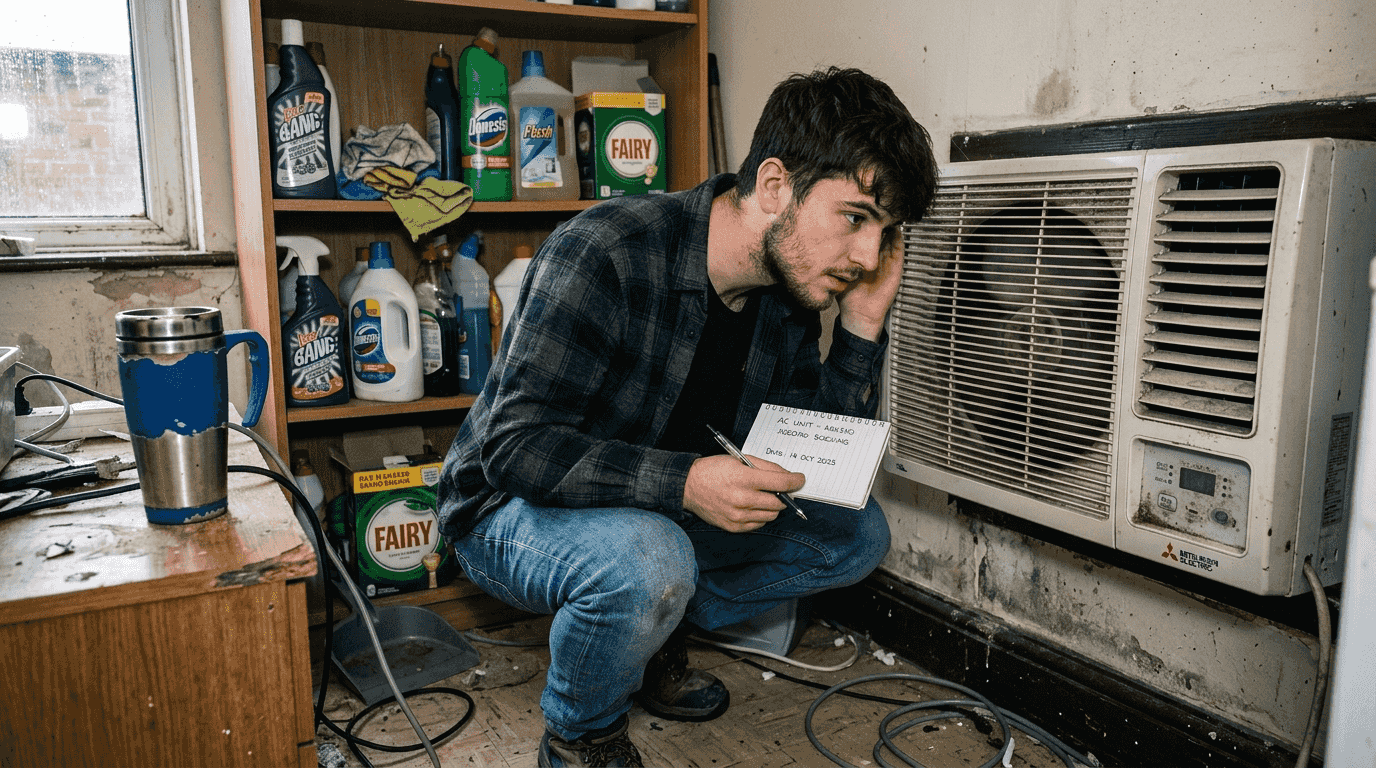
Pro Tip: Conduct a simple DIY inspection monthly by standing near each vent to check airflow strength, listening for unusual sounds from the outdoor unit, and comparing your current energy bills to the same period last year. These quick checks catch problems before they escalate.
Rising energy costs without increased usage often point to declining efficiency. Your system works harder to deliver the same cooling, wasting electricity and money. Early intervention through maintenance typically costs far less than emergency repairs or premature replacement, making regular assessment a smart financial strategy for property managers overseeing multiple units.
Essential air conditioner maintenance tasks every homeowner can do
You don’t need technical expertise to perform basic maintenance that significantly impacts your system’s performance. These straightforward tasks take minimal time but deliver substantial benefits when completed consistently.
-
Change or clean air filters monthly. Clogged filters restrict airflow, forcing your system to work harder and consume more energy. Most residential systems use disposable filters that slide out easily for replacement, whilst some have washable filters requiring a rinse and complete dry before reinstallation. Regularly changing filters helps improve efficiency and maintains indoor air quality by trapping dust, pollen, and other particles.
-
Clean the outdoor condenser unit carefully. Turn off power at the disconnect box, then gently remove leaves, grass clippings, and debris from around the unit. Use a garden hose to spray the fins from inside out, avoiding high pressure that could bend the delicate aluminium. Keep vegetation trimmed at least 60cm away to ensure proper airflow.
-
Check thermostat settings and calibration. Verify your thermostat displays the correct temperature by comparing it to a separate thermometer placed nearby. Programmable thermostats should be set to reduce cooling when you’re away, saving energy without sacrificing comfort. Consider upgrading to a smart thermostat for enhanced control and energy monitoring.
-
Inspect drain lines and clear clogs. Locate the condensate drain line, usually a PVC pipe near your indoor unit, and flush it with a mixture of water and white vinegar to prevent algae growth. A clogged drain can cause water damage to ceilings and walls, making this simple task valuable preventive maintenance.
-
Look for visible signs of system wear or leaks. Walk around your outdoor unit checking for refrigerant stains, rust spots, or damaged insulation on refrigerant lines. Inside, examine ductwork connections for gaps or disconnected sections that waste cooled air.
Pro Tip: Use a soft brush or specialised coil cleaner for the condenser fins rather than a pressure washer. Bent fins reduce airflow dramatically, and straightening them requires a special fin comb tool that most homeowners don’t have readily available.
These residential HVAC checklist steps form the foundation of preventive care. Performed consistently, they reduce the likelihood of mid-summer breakdowns and help you identify when professional service becomes necessary. Many homeowners find scheduling these tasks alongside other seasonal home maintenance creates a reliable routine that’s easy to remember and maintain year after year, whilst also supporting energy efficient AC tips that lower operating costs.
The importance of professional maintenance and legal inspections in the UK
Whilst DIY tasks handle routine upkeep, certain maintenance and inspections require certified professionals. Professional maintenance is recommended at least once a year, preferably before the hot season begins, to ensure your system operates safely and efficiently when you need it most.
Scheduling annual AC servicing before summer allows technicians to identify and repair potential issues during the off-peak season, avoiding emergency callouts during heat waves when demand and prices peak. Professional servicing includes tasks beyond homeowner capability, such as checking refrigerant levels, testing electrical connections, measuring airflow across coils, and verifying safety controls function properly.
UK regulations mandate specific inspections for certain air conditioning systems. TM44 inspections are required every five years for non-domestic and public buildings with air conditioning systems exceeding 12 kW. These energy efficiency assessments identify opportunities to reduce consumption and operating costs, benefiting both the environment and your budget.
F-Gas inspections focus on environmental safety and refrigerant leak prevention. The frequency depends on your system’s refrigerant charge and leak detection equipment, ranging from annual checks for larger systems to less frequent inspections for smaller units. Certified engineers must perform these inspections and maintain detailed records.
| Inspection Type | Primary Purpose | Frequency | Legal Scope |
|---|---|---|---|
| TM44 | Energy efficiency assessment | Every 5 years | Non-domestic buildings over 12 kW |
| F-Gas | Refrigerant leak prevention | Varies by system size | All systems with fluorinated gases |
| Annual Service | Performance and safety | Yearly | Recommended for all systems |
Non-compliance carries serious consequences. Businesses and landlords face fines and reputational damage for ignoring F-Gas regulations, whilst inadequate maintenance can void warranties and increase liability if system failures cause property damage. Only qualified, certified technicians should handle refrigerant work and electrical repairs, as DIY attempts create safety hazards and legal violations.
Professional maintenance also preserves manufacturer warranties, which typically require documented annual servicing by accredited engineers. This protection proves invaluable if major components fail prematurely, potentially saving thousands in replacement costs.
Detecting problems early: what to watch for and when to act
Recognising warning signs before they become emergencies separates savvy property managers from those facing costly repairs and tenant complaints. Your senses provide the first line of defence in identifying developing issues.
Key warning signs demand immediate attention. Insufficient cooling despite the thermostat setting indicates refrigerant leaks, compressor problems, or blocked airflow. Strange noises like grinding, squealing, or banging suggest mechanical failures requiring urgent professional diagnosis. Foul odours might signal mould growth in ductwork or burnt electrical components creating fire risks.
Frequent cycling, where your system turns on and off repeatedly without reaching the set temperature, wastes energy and stresses components. This behaviour often points to thermostat malfunctions, refrigerant issues, or an oversized system for your space. Higher energy bills without increased usage or rate changes signal declining efficiency that maintenance can often reverse.
Weak airflow or strange noises usually mean problems that are cheaper to fix early. Delaying repairs allows minor issues to cascade into major failures. A small refrigerant leak left unaddressed forces your compressor to work harder, potentially causing premature failure of this expensive component.
“Proactive maintenance and swift responses to warning signs preserve equipment warranties, prevent emergency breakdowns during peak demand, and ultimately save property owners significant money compared to reactive repair strategies.”
For landlords and property managers, ignoring F-Gas regulations can lead to fines and reputational damage. Tenant complaints about inadequate cooling during summer can escalate to formal disputes, whilst system failures in commercial properties disrupt business operations and customer comfort.
Pro Tip: Create a simple logbook tracking monthly filter changes, unusual observations, and professional service dates. This record helps technicians diagnose problems faster and provides documentation for warranty claims or regulatory inspections.
Establishing relationships with reliable HVAC professionals before emergencies arise ensures faster response times when problems occur. Many companies offer maintenance contracts providing priority service, discounted repairs, and scheduled annual inspections that keep your system running optimally. The importance of routine AC maintenance extends beyond equipment longevity to legal compliance, energy efficiency, and occupant comfort.
Regular check-ups combined with immediate attention to warning signs create a preventive approach that maximises your system’s lifespan whilst minimising unexpected expenses. This strategy proves especially valuable for property managers juggling multiple buildings, where systematic maintenance prevents the chaos of simultaneous failures across different locations.
Discover professional air conditioning services in East Anglia and beyond
Maintaining your air conditioning system requires both diligent DIY care and expert professional support. When you need certified installation, annual servicing, or emergency repairs, choosing experienced specialists ensures compliance with UK regulations whilst protecting your investment.
Akita Air Conditioning delivers comprehensive climate control solutions tailored to homeowners and property managers across East Anglia. Our certified technicians handle everything from air conditioning installation in East Anglia to TM44 and F-Gas inspections, ensuring your system operates efficiently and legally. Whether you need air conditioning installers in Essex or air conditioning installation in Ipswich, our regional expertise and transparent pricing make upgrading or maintaining your system straightforward. We offer flexible finance options, warranty guarantees, and maintenance memberships that provide ongoing support and priority service when you need it most.
Frequently asked questions
What is the best frequency for changing air filters?
Typically, you should change or clean air filters every one to three months depending on usage, household occupants, and environmental factors like pet hair or local air quality. Homes with pets or allergy sufferers benefit from monthly changes, whilst less demanding environments can extend to quarterly replacements. Regularly changing filters helps improve efficiency and maintains healthy indoor air by removing dust, pollen, and other airborne particles that accumulate quickly during peak cooling seasons.
Are TM44 and F-Gas inspections legally required for residential homes in the UK?
TM44 inspections are required every five years for non-domestic buildings with air conditioning over 12 kW, not generally for typical homes. F-Gas regulations apply based on system size and refrigerant type rather than building use, so larger residential systems may require periodic inspections. Whilst homeowners aren’t usually legally mandated for these specific inspections, regular professional servicing remains essential for efficiency, safety, and warranty compliance.
Can I perform refrigerant refills or electrical repairs myself?
Absolutely not. Handling refrigerants or performing electrical repairs must be done by certified technicians who hold proper qualifications and insurance. DIY attempts create serious safety hazards including refrigerant exposure, electrical shock, and fire risks, whilst also violating UK regulations. Electrical work and refrigerant handling should always be performed by qualified professionals to ensure safety and compliance with Health and Safety Executive guidelines and F-Gas regulations.
How do I know if my air conditioner needs replacing rather than repairing?
Several factors indicate replacement makes more financial sense than continued repairs. Systems over 12 to 15 years old, especially those using R22 refrigerant, often cost more to maintain than modern, efficient replacements. If repair costs exceed 50% of a new system’s price, or if you face frequent breakdowns requiring multiple service calls annually, replacement typically offers better long-term value. Modern systems also provide significantly improved energy efficiency, potentially reducing operating costs by 20 to 40% compared to older units.