

Common HVAC problems list: homeowner's 2026 guide
TL;DR:
- Most HVAC failures are caused by dirty filters, refrigerant leaks, or electrical component failures that often go unnoticed until costly repairs occur. Regular maintenance, including filter replacement and system inspections, helps prevent breakdowns and extends system lifespan. Addressing issues early and consulting certified professionals ensures safe and efficient HVAC operation.
Common HVAC problems are recurring faults that reduce system performance and efficiency, ranging from dirty filters and thermostat errors to refrigerant leaks and failed electrical components. Understanding this common HVAC problems list puts you in control before a minor fault becomes a costly breakdown. About 70% of reported ‘broken’ AC calls are actually caused by dirty air filters, which means most homeowners are calling engineers unnecessarily. This guide covers every major fault category, explains what causes each one, and tells you exactly when to pick up the phone.
1. dirty or blocked air filters
A clogged air filter is the single most common fault on any air conditioning problems list. Clogged filters restrict airflow by up to 50%, which forces the evaporator coil to freeze and kills cooling output entirely. The fix is straightforward: replace or clean your filter every four to eight weeks during heavy use. If your system uses a reusable filter, rinse it under cold water and allow it to dry fully before reinserting.
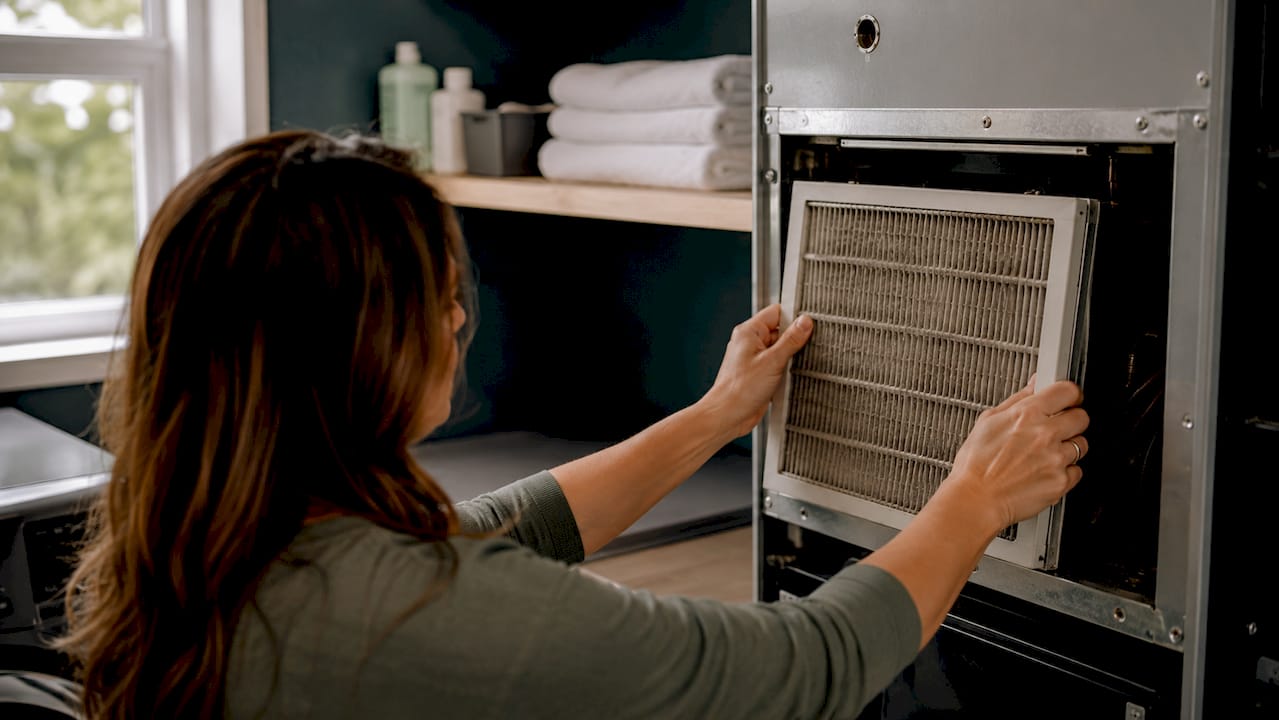
Pro Tip: Write the replacement date on the side of each new filter with a marker. You will never have to guess when it was last changed.
2. thermostat misconfigurations and sensor faults
A thermostat set to “fan only” instead of “cool” or “heat” will run the fan continuously without conditioning the air. Sensor placement is equally important. A thermostat positioned near a sunny window or a heat-generating appliance reads the room temperature incorrectly and cycles the system at the wrong times. Check that your thermostat is set to the correct mode, that the batteries are fresh, and that nothing is blocking the sensor. Nest, Honeywell, and Hive thermostats all have diagnostic modes that display sensor readings directly on screen.
3. refrigerant leaks
Refrigerant is the fluid that transfers heat out of your home. When it leaks, cooling capacity drops sharply and the system runs longer to achieve the same result. You may notice ice forming on the indoor unit, a hissing sound near the outdoor unit, or warm air from the vents despite the system running. EPA Section 608 regulations restrict refrigerant handling to certified professionals only. Do not attempt to top up refrigerant yourself. Call a qualified engineer who can locate the leak, repair it, and recharge the system correctly.
4. dirty condenser coils
The condenser coil sits in your outdoor unit and releases heat from the refrigerant into the outside air. When it is coated in dirt, leaves, or grass cuttings, heat transfer becomes inefficient. Dirty condenser coils reduce heat rejection capacity by 20%–40%, which forces the compressor to work harder and shortens its lifespan. You can gently rinse the coil fins with a garden hose on a low setting, working from the inside out. Schedule a professional coil clean at least once a year for best results.
5. blocked condensate drain lines
Your HVAC system removes moisture from the air as it cools. That moisture drains away through a condensate line. Algae, mould, and debris build up inside the line over time and cause blockages. A blocked drain causes water to back up into the drain pan, which can overflow and damage ceilings, walls, and flooring. You can flush the line with a diluted white vinegar solution every few months to keep it clear. If the pan is already overflowing, shut the system down and call an engineer before water damage spreads.
6. electrical component failures
Capacitors, contactors, and relays are the components that start and run your compressor and fan motors. They fail more often than any other electrical part in an HVAC system. A failed capacitor typically causes the outdoor unit to hum without starting, or to start slowly before cutting out. A neglected £15 contactor can lead to a £3,000 compressor repair if the fault is left unaddressed. These components are inexpensive to replace when caught early. An annual service will identify worn electrical parts before they cause cascade failures.
7. strange noises from the system
Different noises point to different faults, which makes them a useful diagnostic tool. Rattling usually means a loose panel, screw, or debris inside the outdoor unit. Squealing from the air handler indicates a worn fan belt or failing blower motor bearing. Hissing points to a refrigerant leak or a pressure issue inside the refrigerant circuit. Banging or clanking suggests a loose or broken component inside the compressor. Any noise that is new or getting louder warrants investigation. Ignoring it rarely makes the problem cheaper to fix.
8. compressor problems
The compressor is the heart of your HVAC system and the most expensive component to replace. It pressurises the refrigerant and drives the entire cooling cycle. Compressors fail due to refrigerant overcharge or undercharge, electrical faults, overheating, and age. Professional compressor replacement costs £2,500–£5,000, which makes replacement more economical than repair for systems older than twelve years. If your outdoor unit is running but producing no cooling, and the unit is making a hard clicking or grinding sound, the compressor is the likely culprit.
9. weak airflow and uneven temperature distribution
Weak airflow is one of the most frequently misdiagnosed HVAC issues explained in service reports. The cause is rarely the compressor. Collapsed or disconnected ductwork, blocked supply vents, and closed dampers are the most common culprits. Check every vent in the property to confirm none are blocked by furniture or closed manually. Fan motor deterioration also reduces airflow significantly. A failing blower motor will move less air even when the filter is clean and the ducts are clear.
Common causes of uneven temperatures include:
- Oversized or undersized systems that short cycle before the space reaches the set temperature
- Blocked or leaking ductwork that loses conditioned air before it reaches distant rooms
- Closed dampers in multi-zone systems that have been set incorrectly
- A thermostat positioned in a room that heats or cools faster than the rest of the property
Pro Tip: Hold a piece of tissue near each supply vent with the system running. Weak movement or no movement confirms a duct or fan problem in that zone.
When airflow problems persist after basic checks, a professional duct inspection using a flow hood or blower door test will pinpoint the exact fault. This is worth doing before replacing any components.
10. control board and sensor malfunctions
The control board is the brain of your HVAC unit. It reads signals from the thermostat and sensors, then tells each component when to start and stop. A faulty control board can cause erratic cycling, components that refuse to start, or error codes that do not correspond to any obvious fault. Temperature sensors that drift out of calibration send incorrect readings to the board, causing the system to overheat or undercool the space.
Watch for these signs of electrical and control system faults:
- The system starts and stops repeatedly in short bursts (short cycling)
- Error codes appear on the display that reset without resolving
- One zone heats while another cools simultaneously in a multi-zone system
- The system runs continuously without reaching the set temperature
Simple checks on the thermostat, air filter, and circuit breaker resolve 30%–40% of HVAC service calls without any invasive testing. Always run through these before assuming a control board fault. If the problem persists after basic checks, a qualified engineer with a multimeter and manufacturer diagnostic software is the right next step.
11. short cycling
Short cycling is when the system turns on, runs for a few minutes, then shuts off before completing a full heating or cooling cycle. It repeats this pattern continuously. The causes include an oversized unit, a refrigerant leak, a dirty filter, or a failing compressor. Running a short cycling system causes irreversible compressor damage if the unit is not shut down promptly. The moment you notice short cycling, switch the system off at the thermostat and call an engineer. Running it further to “see if it sorts itself out” is the most expensive mistake you can make.
12. heating system and furnace issues
Heating faults follow a similar pattern to cooling faults but have a few unique causes. Common furnace problems include a dirty flame sensor that prevents ignition, a blocked flue that triggers the safety lockout, and a cracked heat exchanger that leaks carbon monoxide into the living space. A furnace that ignites then shuts off after a few seconds almost always has a dirty or corroded flame sensor. Cleaning it with fine wire wool takes ten minutes and costs nothing. A cracked heat exchanger is a safety emergency. If you smell burning or notice soot around the furnace, shut it down immediately and call a Gas Safe registered engineer.
Which maintenance practices prevent these faults?
Prevention is cheaper than repair across every fault category on this list. A residential HVAC maintenance checklist covering filters, coils, drains, and electrical components will catch the majority of developing faults before they cause a breakdown.
The most effective maintenance schedule for 2026 looks like this:
- Replace or clean air filters every four to eight weeks during active use
- Flush the condensate drain line with diluted white vinegar every three months
- Inspect and clean condenser coils at the start of the cooling season each year
- Check thermostat calibration and replace batteries annually
- Book a professional service once a year to inspect electrical components, refrigerant charge, and ductwork
| Task | Frequency | DIY or Professional |
|---|---|---|
| Filter replacement | Every 4–8 weeks | DIY |
| Condensate drain flush | Every 3 months | DIY |
| Condenser coil clean | Annually | Professional recommended |
| Electrical component check | Annually | Professional only |
| Full system service | Annually | Professional only |
Understanding why regular HVAC maintenance saves energy is straightforward: a well-maintained system uses less electricity to achieve the same output, which reduces running costs and extends the unit’s working life.
Pro Tip: Book your annual professional service in early spring before the cooling season begins. Engineers are less busy, appointment slots are easier to get, and any faults are fixed before you need the system most.
Key takeaways
Addressing HVAC faults in order of simplicity, starting with filters, thermostat settings, and circuit breakers, resolves the majority of problems without the cost of a service call.
| Point | Details |
|---|---|
| Filters cause most faults | Around 70% of AC service calls trace back to a dirty or blocked air filter. |
| Electrical neglect is expensive | A £15 contactor left unaddressed can escalate into a £3,000 compressor repair. |
| Short cycling needs immediate action | Switch the system off at once to prevent irreversible compressor damage. |
| Annual servicing prevents breakdowns | Professional checks catch failing electrical parts and refrigerant issues before they escalate. |
| Refrigerant work requires certification | Only certified engineers can legally handle refrigerant under EPA Section 608 rules. |
What we see most often at Akita
After years of servicing HVAC systems across Suffolk, Norfolk, and Essex, the pattern is consistent. The most expensive repairs we attend are almost never caused by the fault itself. They are caused by how long the fault was left running.
A homeowner notices the system is not cooling as well as it should. Rather than investigating, they turn the thermostat down further. The system runs harder, the compressor works against a refrigerant undercharge or a blocked coil, and within weeks a £200 repair becomes a £3,000 compressor replacement. We see this sequence regularly.
The diagnostic priority sequence matters enormously. Check the thermostat, check the filter, check the circuit breaker. In our experience, this sequence alone resolves a significant proportion of calls before an engineer even arrives on site. The HVAC diagnostics guide we publish covers this in detail, and it is worth reading before you call anyone.
The other mistake we see constantly is reactive servicing. Homeowners book an engineer only when something stops working entirely. By that point, the fault has often cascaded. A worn capacitor that would have cost £80 to replace has taken out the contactor and stressed the compressor. Booking an annual service is not an expense. It is the cheapest insurance policy available for a system that costs thousands to replace.
If your system is showing any of the signs described in this article, shut it down if the symptoms are serious, and get a qualified engineer to assess it properly. Do not guess. Do not run it and hope.
— Akita
Akita can diagnose and fix your HVAC system
If you have worked through this list and your system is still not performing correctly, the fault is likely beyond a DIY fix. Akita provides professional domestic air conditioning installation and repair across Suffolk, Norfolk, and Essex, with fixed-price servicing and certified engineers who carry the parts most commonly needed on the first visit.
Whether you need a full system service, a refrigerant recharge, or a replacement unit installed, Akita offers transparent pricing with no hidden call-out fees. The team also covers commercial air conditioning for offices, retail units, and managed properties. Contact Akita today to book a diagnostic visit and get your system running correctly before the problem gets worse.
FAQ
What is the most common cause of HVAC failure?
A dirty or blocked air filter is the leading cause of HVAC failure, responsible for around 70% of reported breakdowns. Replacing the filter is the first check to make before calling an engineer.
How often should i service my HVAC system?
A professional service once a year is the standard recommendation for most residential systems. Filters should be checked and replaced every four to eight weeks during active use.
Can i top up refrigerant myself?
No. Refrigerant handling is restricted to certified professionals under EPA Section 608 regulations. Attempting to recharge refrigerant without certification is illegal and can cause serious system damage.
Why does my HVAC keep turning on and off?
Repeated short cycling is caused by an oversized unit, a refrigerant leak, a dirty filter, or a failing compressor. Switch the system off immediately and call an engineer, as continued operation causes irreversible compressor damage.
How much does compressor replacement cost?
Compressor replacement typically costs £2,500–£5,000 for professional installation. For systems older than twelve years, full unit replacement is usually more cost-effective than replacing the compressor alone.