

Tips for choosing HVAC installers: your 2026 guide
TL;DR:
- Choosing a qualified HVAC installer is essential for optimal system performance and longevity. Verify licenses, insurance, and manufacturer authorizations before obtaining detailed, written load calculations and scope-specific quotes. Prioritize reputable local contractors, schedule installations during shoulder seasons, and ensure complete, itemized quotes to safeguard your investment.
Choosing the right HVAC installer is the single most important decision you make for your air conditioning system’s long-term performance. The tips for choosing HVAC installers covered in this guide focus on four core criteria: verified credentials, accurate load calculations, transparent written quotes, and proven local reputation. Proper HVAC installation improves energy efficiency by 20–40% and extends system lifespan to 15–20 years. Get the installer wrong, and none of that potential is realised. This guide gives you the exact framework to vet any contractor before you sign.
1. Verify licences, insurance, and certifications first
Licence and insurance verification is the non-negotiable baseline for choosing HVAC contractors in the UK. An unlicensed installer puts you at legal and financial risk the moment something goes wrong on site. Insurance protects both you and the workers if there is an accident, a gas leak, or property damage during installation.
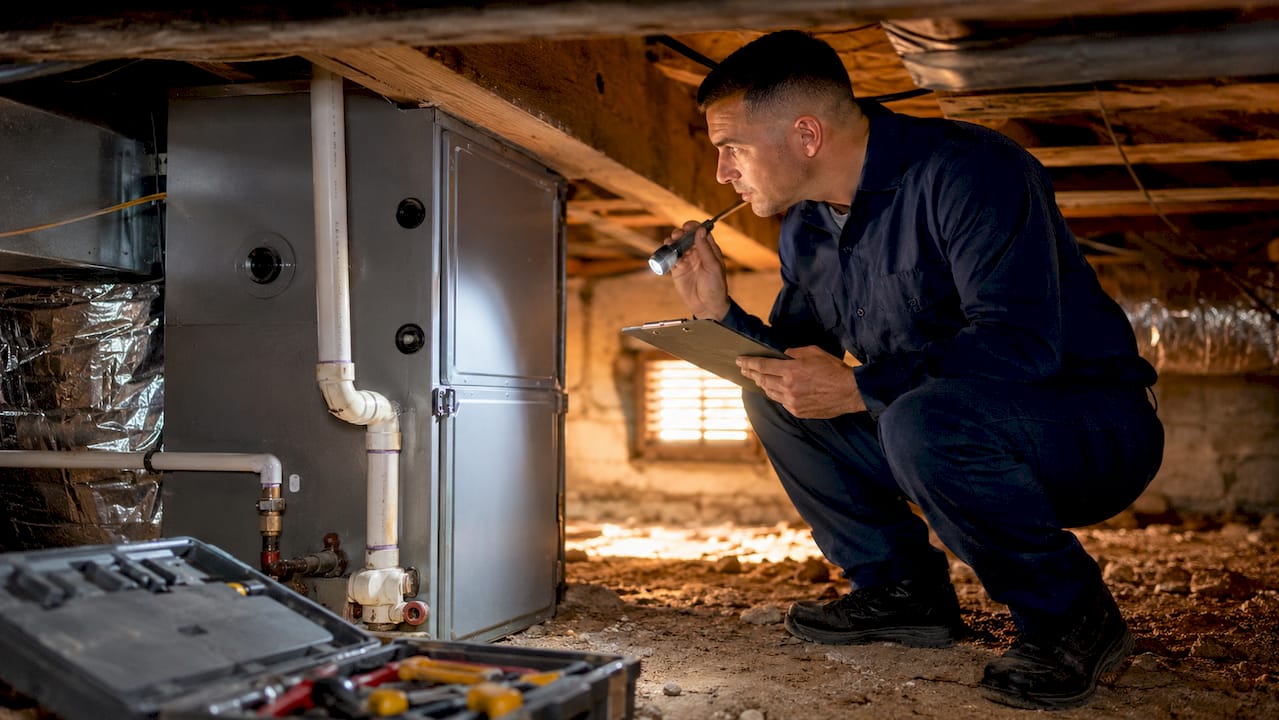
In the UK, F-Gas certification is a legal requirement for anyone handling refrigerants in air conditioning systems. The Fluorinated Greenhouse Gases Regulations 2015 mandate that installers hold a valid F-Gas certificate issued by a body such as City & Guilds or REFCOM. You can verify a company’s F-Gas registration directly through the REFCOM register online. Beyond F-Gas, look for membership of trade bodies like the Chartered Institution of Building Services Engineers (CIBSE) or the Building Engineering Services Association (BESA), which signal a commitment to professional standards.
Manufacturer authorisations also matter. Brands like Mitsubishi Electric, Daikin, and Samsung run approved installer programmes. Choosing an authorised installer often unlocks extended warranty terms that a non-authorised contractor cannot offer.
- Confirm F-Gas certification via the REFCOM register
- Check public liability insurance covers at least £2 million
- Ask for proof of any manufacturer authorisation certificates
- Verify trade body memberships (CIBSE, BESA, or equivalent)
Pro Tip: Ask the installer to email copies of their F-Gas certificate and insurance schedule before any site visit. A credible contractor will send these without hesitation.
2. Demand a proper load calculation, not a rule-of-thumb guess
Load calculation is the technical process of determining exactly how much heating or cooling capacity a building needs. The industry standard method is ACCA Manual J, and any installer who skips it is guessing. Rule-of-thumb sizing creates oversized systems that short cycle, waste energy, cause humidity problems, and shorten equipment life by 30–50%.
A correct load calculation accounts for your property’s floor area, ceiling height, insulation levels, window orientation, local climate data, and occupancy patterns. This is not a five-minute exercise. If an installer quotes you a system size after a brief walk-through with no measurements, that is a red flag. Ask them directly: “Will you provide a written load calculation before specifying equipment?”
Ductwork design is equally critical and frequently overlooked. Installers who focus only on the unit and ignore ductwork assessment cause high static pressure, operational noise, and efficiency loss even when the unit itself is high quality. Demand a clear answer on whether the quote includes a ductwork performance evaluation. You can read more about HVAC sizing calculations to understand what a thorough assessment should include.
“The best unit in the world, installed in an undersized or leaking duct system, will underperform a mid-range unit installed correctly. Sizing and airflow design are where the real work happens.”
- Ask for a written Manual J load calculation report
- Confirm the installer measures insulation, glazing, and orientation
- Request a ductwork assessment as part of the survey
- Reject any quote based solely on floor area or previous system size
3. Obtain detailed, itemised written quotes from multiple installers
A written, itemised quote is the clearest signal of a professional contractor. Vague estimates that list only a total price give you no way to compare scope, equipment quality, or what happens if something goes wrong. Experts recommend securing 4–5 written quotes for major HVAC projects to compare equivalent work scopes effectively.
Every quote you receive should specify the exact equipment model and manufacturer, the refrigerant type, permit costs, labour hours, commissioning steps, warranty terms, and a project timeline. If any of these are missing, ask for them in writing before proceeding. This protects you legally and gives you a fair basis for comparison.
| Quote element | What to look for |
|---|---|
| Equipment model | Full model number, not just brand name |
| Permits and compliance | Explicit confirmation that permits are included |
| Labour and commissioning | Itemised hours, not a single lump sum |
| Warranty terms | Parts and labour duration, who administers it |
| Project timeline | Start date, completion date, and access requirements |
Price alone is a poor guide. Lowest bids often omit critical commissioning steps or use lower-grade equipment, leading to long-term reliability problems. Middle-range bids typically reflect full-scope work. If one quote is significantly cheaper than the others, ask the contractor to explain exactly what they have excluded.
Pro Tip: Create a simple spreadsheet listing each quote’s line items side by side. Price differences become far easier to explain and justify when you can see what each contractor has and has not included.
4. Check local reputation across multiple platforms
Local reputation is a reliable proxy for accountability. A company that has served the same community for years has a reputational stake in every job it completes. Companies with 10 or more years serving one community typically provide higher accountability and service continuity than newer entrants, particularly when warranty claims arise.
Start with Google Business Profile reviews, which are harder to manipulate than reviews on a company’s own website. Cross-reference with Facebook recommendations, Nextdoor, and local trade forums. Look for patterns rather than individual comments. A contractor with 80 reviews averaging 4.7 stars tells a more credible story than one with 12 reviews averaging 5.0.
Spotting fake reviews is straightforward once you know what to look for. Generic language, no mention of specific work or staff names, and a cluster of reviews posted within a short period are all warning signs. Authentic reviews tend to describe specific problems, timelines, and outcomes.
- Search Google, Facebook, and Nextdoor for the company name
- Look for reviews that mention specific jobs, not just general praise
- Ask the contractor for two or three references you can contact directly
- Call references and ask: “Did the installer complete the work on time, and did they return to resolve any issues?”
When you contact references, ask specifically about post-installation follow-up. A contractor who disappears after handover is a liability when warranty issues emerge. You can also review questions to ask HVAC installers to build a structured vetting checklist before any conversation.
5. Understand what a complete quote must include for warranty protection
Manufacturer warranties on air conditioning equipment typically run 10–12 years, but they carry conditions. Manufacturer warranties are often voided if installation documentation and product registration are not completed within 60–90 days of installation. This is a detail many homeowners discover only when they need to make a claim.
Confirm with any prospective installer that warranty registration is part of their standard installation closeout process. Ask them to show you the registration confirmation before they leave site. If a contractor is vague about this step, treat it as a serious warning sign. A professional installer treats warranty registration as a mandatory task, not an afterthought.
Also confirm whether the warranty covers parts only or parts and labour. Labour warranties from the installer themselves are separate from manufacturer equipment warranties. Both should be documented in writing before you sign any contract.
6. Prioritise installation quality over brand name
Installation quality is a more significant factor than equipment brand in determining long-term system performance. A poorly installed premium unit will underperform a correctly installed mid-range system within two to three years. This is one of the most consistently overlooked facts in HVAC purchasing decisions.
A bad installation can reduce a system’s lifespan by 20% or more. The skill applied during design, sizing, refrigerant charging, and commissioning determines how efficiently the system runs for the next decade. When comparing contractors, weight their technical process as heavily as the equipment brands they propose. Ask each installer to walk you through their commissioning checklist. A confident, detailed answer signals genuine expertise.
For business owners, this principle applies with even greater force. Commercial systems run longer hours under heavier loads, so installation errors compound faster. If you are selecting contractors for a commercial site, review the differences between commercial and residential HVAC to understand how the selection criteria shift at scale.
7. Time your installation to save money and secure better scheduling
Spring and autumn are the best times to schedule an HVAC installation. Shoulder seasons from March to May and September to November offer lower contractor demand, which translates to more flexible scheduling and genuine off-season discounts. Installers are less stretched during these periods, which also means more attention to detail on your job.
Planning ahead pays off in practical terms:
- Book in spring (March to May) to avoid the summer rush and secure your preferred installation date.
- Book in autumn (September to November) to prepare for winter heating demand before the cold arrives.
- Avoid peak periods (June to August and December to January) unless urgent, as lead times extend and pricing pressure increases.
- Ask about off-season pricing directly. Many reputable contractors offer reduced rates during quieter periods and will confirm this in writing.
- Plan around your schedule, not just the contractor’s. A rushed installation to meet a deadline increases the risk of commissioning errors.
Off-season installation timing also gives you more leverage to negotiate on price and service inclusions without the contractor being pulled in multiple directions.
Key takeaways
Choosing the right HVAC installer requires verified credentials, accurate load calculations, itemised written quotes, and a proven local reputation, because these four factors determine both system efficiency and long-term reliability.
| Point | Details |
|---|---|
| Verify credentials first | Confirm F-Gas certification, public liability insurance, and manufacturer authorisations before any quote. |
| Demand load calculations | Reject any sizing based on rules of thumb; require a written Manual J calculation and ductwork assessment. |
| Compare itemised quotes | Obtain 4–5 written quotes and compare scope, warranty, and commissioning steps, not just total price. |
| Check local reputation | Cross-reference Google, Facebook, and Nextdoor reviews, and contact at least two references directly. |
| Time your installation | Book in spring or autumn to access better scheduling, more attentive service, and off-season pricing. |
What we have learned from years of HVAC installations
The single biggest mistake we see homeowners and business owners make is choosing the lowest bid without understanding what it excludes. A quote that looks £500 cheaper on paper often omits commissioning, permit fees, or warranty registration. Those omissions cost far more to correct after the fact than the original saving was worth.
Installation quality genuinely outweighs brand selection in real-world outcomes. We have seen mid-range systems from Daikin and Mitsubishi Electric outperform premium units installed by contractors who skipped load calculations or rushed refrigerant charging. The brand on the box matters far less than the process used to put it in.
Building a trusting relationship with your installer before the job starts is worth the effort. Ask detailed questions. Request written answers. A contractor who is irritated by thorough vetting is not a contractor you want on your property. The best installers welcome scrutiny because they know their process holds up to it.
Before signing any contract, run through this checklist: F-Gas certificate confirmed, insurance schedule received, written load calculation provided, itemised quote in hand, references contacted, and warranty registration confirmed as part of the closeout. If any item is missing, do not sign until it is resolved.
— Akita
How Akita can help you install with confidence

Akita ticks every box this guide covers. Our engineers hold F-Gas certification, carry full public liability insurance, and are authorised installers for leading manufacturers including Mitsubishi Electric. Every installation begins with a thorough site survey and load calculation, and every quote is fully itemised so you know exactly what you are paying for. We serve homeowners and businesses across Suffolk, Norfolk, and Essex, with domestic air conditioning installation and commercial air conditioning installation services designed around transparent pricing and reliable aftercare. If you are ready to move forward, explore our fixed-price air conditioning installation options or get in touch to arrange a no-obligation survey.
FAQ
What qualifications should an HVAC installer have in the UK?
UK HVAC installers must hold a valid F-Gas certificate to legally handle refrigerants, issued by a body such as City & Guilds or REFCOM. Membership of trade bodies like CIBSE or BESA and manufacturer authorisations from brands like Mitsubishi Electric or Daikin indicate additional professional credibility.
How many quotes should I get for an HVAC installation?
Experts recommend obtaining 4–5 written, itemised quotes for major HVAC installations to compare scope and value effectively. Comparing quotes on price alone is insufficient; assess what each includes for commissioning, permits, and warranty registration.
Why does installation quality matter more than the equipment brand?
A poor installation can reduce a system’s lifespan by 20% or more, regardless of the equipment’s quality. Correct sizing, refrigerant charging, and commissioning determine long-term efficiency far more than the brand name on the unit.
When is the best time to install an air conditioning system?
Spring (March to May) and autumn (September to November) are the optimal periods for installation. Contractor demand is lower during these shoulder seasons, which means better scheduling availability and the possibility of off-season pricing.
What should a written HVAC quote include?
A complete quote should list the exact equipment model, refrigerant type, permit costs, itemised labour, commissioning steps, warranty terms for both parts and labour, and a project timeline. Any quote missing these elements requires clarification before you commit.