If you own or manage air conditioning, heat pumps, cold rooms or refrigeration, you will have heard about the F-Gas phase-down. It affects which refrigerants new equipment can use, how existing systems should be maintained and what records you need to keep. This guide explains the rules in plain English, in general terms, so you can plan ahead. The detail changes from time to time, so always check the current guidance on GOV.UK for your specific equipment.
What are F-gases?
Fluorinated greenhouse gases, or F-gases, include the hydrofluorocarbon (HFC) refrigerants used in most air conditioning and refrigeration systems. They work very well as refrigerants, but if they leak they have a strong warming effect on the atmosphere, measured as global warming potential (GWP). Older refrigerants such as R404A and R410A have high GWP values; newer options such as R32 are considerably lower.
What is the phase-down?
In Great Britain, F-gases are controlled by the GB F-Gas Regulations, which were carried over from EU law and are now managed by the UK government. The phase-down works by limiting the total quantity of HFCs, measured in carbon dioxide equivalent, that can be placed on the market each year, with the limit falling in steps over time. Alongside that, there are bans on using higher-GWP refrigerants in certain types of new equipment and restrictions on servicing some older systems with virgin high-GWP refrigerant.
The practical effect is that high-GWP refrigerants become scarcer and, generally, more expensive over time, and manufacturers move their ranges to lower-GWP alternatives. Northern Ireland follows the EU rules, which have been tightened separately, so businesses operating across both should check each set.
What it means for existing systems
You do not have to rip out a working system simply because it uses an older refrigerant. Existing equipment can continue to operate. The key points are:
- Leak checks. Systems above certain size thresholds, measured in tonnes of CO2 equivalent rather than kilograms, must be leak checked at set intervals by a certified engineer. Larger systems need more frequent checks, and some need automatic leak detection.
- Records. Operators of systems covered by leak-check rules must keep records of the refrigerant type and quantity, checks carried out, leaks found and repairs made.
- Repairs. Leaks should be repaired promptly by certified engineers, and the system re-tested afterwards.
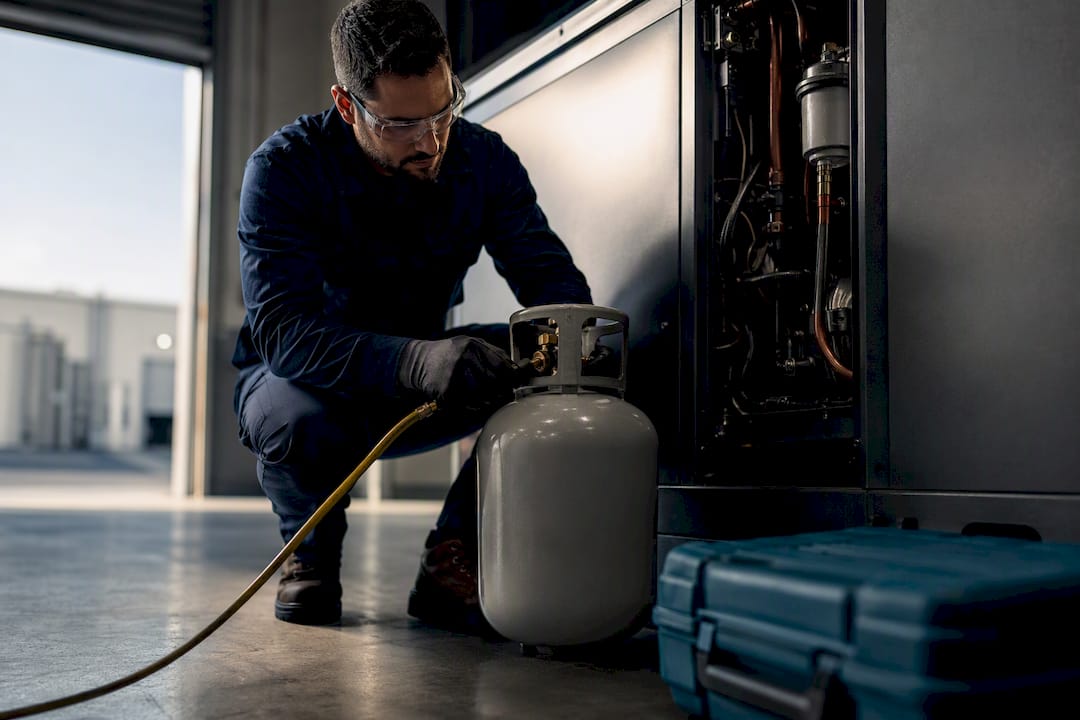
- Recovery. At end of life, refrigerant must be recovered properly by certified engineers, not vented.
If your system is old and uses a refrigerant that is getting harder to source, a significant leak can turn into a decision point. We will always tell you honestly whether a repair is sensible or whether the money is better spent on replacement.
What it means for new equipment
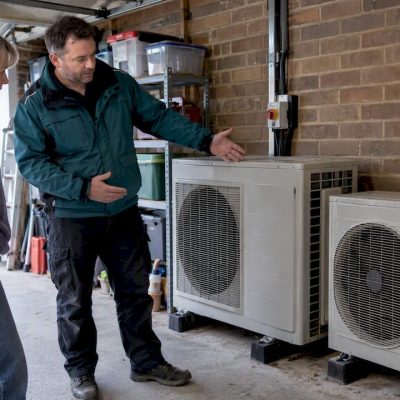
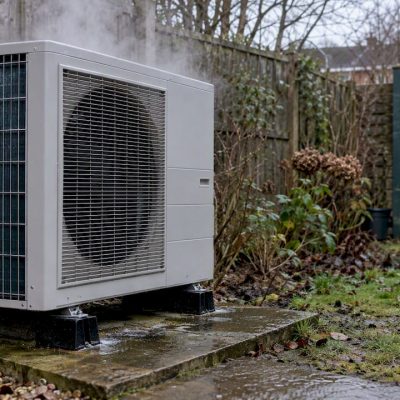
For new split air conditioning and small heat pump systems, R32 has become the most common refrigerant because of its lower GWP and smaller charge. R32 is still an HFC, so it falls within the phase-down too. Some manufacturers are introducing products using natural refrigerants such as R290 (propane) in certain categories, particularly monobloc air-to-water heat pumps, and CO2 in some commercial refrigeration. Each refrigerant has its own handling and safety requirements.
For cold rooms and commercial refrigeration, the move away from very high-GWP refrigerants such as R404A has been under way for several years. If you run older refrigeration plant, it is worth reviewing what you have and planning replacement before a breakdown forces the decision. Our cold rooms and refrigeration team can survey existing kit and advise.
Who can work on F-gas equipment?
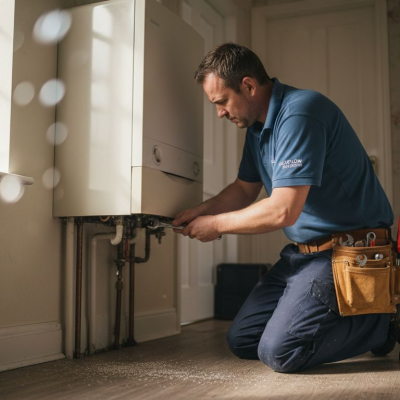
Anyone installing, servicing, leak checking or decommissioning equipment containing F-gases must hold the appropriate F-Gas certification, and businesses doing this work must hold company certification. Using an uncertified installer is not only a compliance risk; it often leads to poor workmanship, leaks and manufacturer warranties being refused. All of our engineers who handle refrigerant are F-Gas certified.
How to plan ahead
- Know what you have. List each system, its age, refrigerant type and charge. Your service records or the unit’s rating plate will show this.
- Keep up with maintenance. Regular servicing catches small leaks early, keeps efficiency up and provides the paperwork you need.
- Plan replacements. If a system uses a refrigerant affected by restrictions, budget for replacement in a planned way rather than waiting for a failure.
- Think about efficiency. Modern systems are generally much more efficient, so replacement can reduce running costs as well as refrigerant risk.
- Check other obligations. Larger air conditioning systems in commercial buildings may also need a TM44 energy inspection; see our TM44 guide.
Servicing and compliance support
We service and maintain air conditioning, heat pump and refrigeration systems across Suffolk and north Essex, including businesses in Ipswich. Domestic and small commercial servicing ranges from £179 to £389 depending on the system, and larger commercial plant is quoted after a survey. Each visit includes clear records of what was checked and found. See our air conditioning servicing page for details, or our commercial air conditioning page if you manage business premises.
Where to find the official rules
The government publishes guidance on F-gas obligations for operators, engineers and businesses on GOV.UK. Because thresholds, dates and bans are updated from time to time, we recommend checking the current guidance rather than relying on figures quoted in older articles, including on supplier websites. If you are unsure how the rules apply to your equipment, ask us and we will explain what we find on site.
Book a free survey
Ready to talk about your property? Book a free survey and one of our engineers will assess your space and recommend the right system for it.