People often ask whether air conditioning or a heat pump is the more efficient way to heat a home. The answer surprises many: modern air conditioning is a heat pump. The real difference is not between air conditioning and heat pumps, but between air-to-air and air-to-water systems. Both use the same basic technology, but they deliver heat in different ways and suit different homes and goals. This guide explains the difference so you can decide which fits your property.
The same principle, two delivery methods
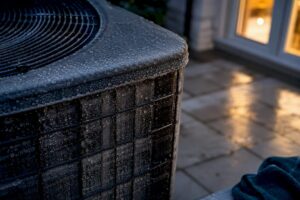
Every heat pump moves heat from one place to another using refrigerant, a compressor and two heat exchangers. In heating mode, it absorbs heat from the outside air, even on cold days, and releases it indoors. In cooling mode, a reversible system does the opposite.
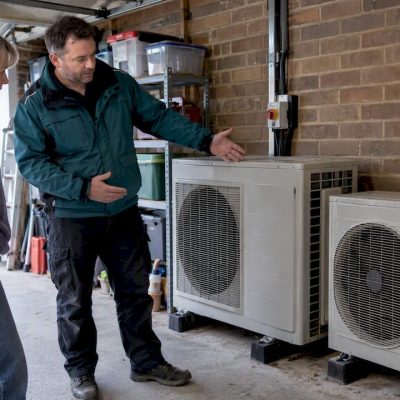
- Air-to-air systems, which most people call air conditioning, release that heat directly into the room through an indoor unit that blows warm or cool air. They can heat and cool.
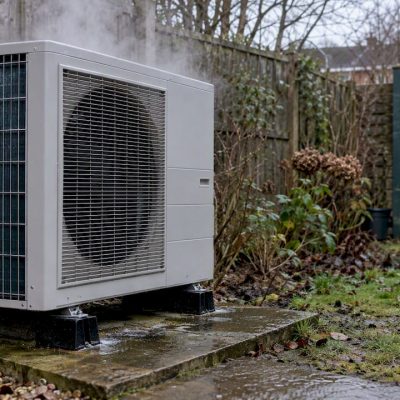
- Air-to-water systems, usually called air source heat pumps, transfer the heat into water, which circulates through radiators or underfloor heating and heats a hot water cylinder. They are designed primarily for heating and hot water.
Efficiency compared
Both types can be very efficient, delivering several units of heat for every unit of electricity used. Which is more efficient in your home depends on how it is used.
Air-to-air systems heat the air in a room quickly and directly, without heating water first, and they do not lose heat through pipework or a cylinder. For heating individual rooms, especially rooms used at specific times, they can be extremely efficient.
Air-to-water systems are at their best when they run steadily at a low flow temperature, heating the whole house through well-sized radiators or underfloor heating. Their efficiency is strongly affected by flow temperature, system design and insulation. Heating domestic hot water requires higher temperatures, which reduces efficiency for that part of the job.
Efficiency figures on product labels are useful for comparison, but the real result in your home depends on design, installation and use. Our guide to heat pump running costs covers the factors in detail.
What each system is good at
Air-to-air (air conditioning)
- heats and cools from one system
- quick response, good for rooms used at particular times
- ideal for home offices, conservatories, bedrooms, extensions and garden rooms
- installed with minimal disruption, often in a day for a single room
- does not provide hot water
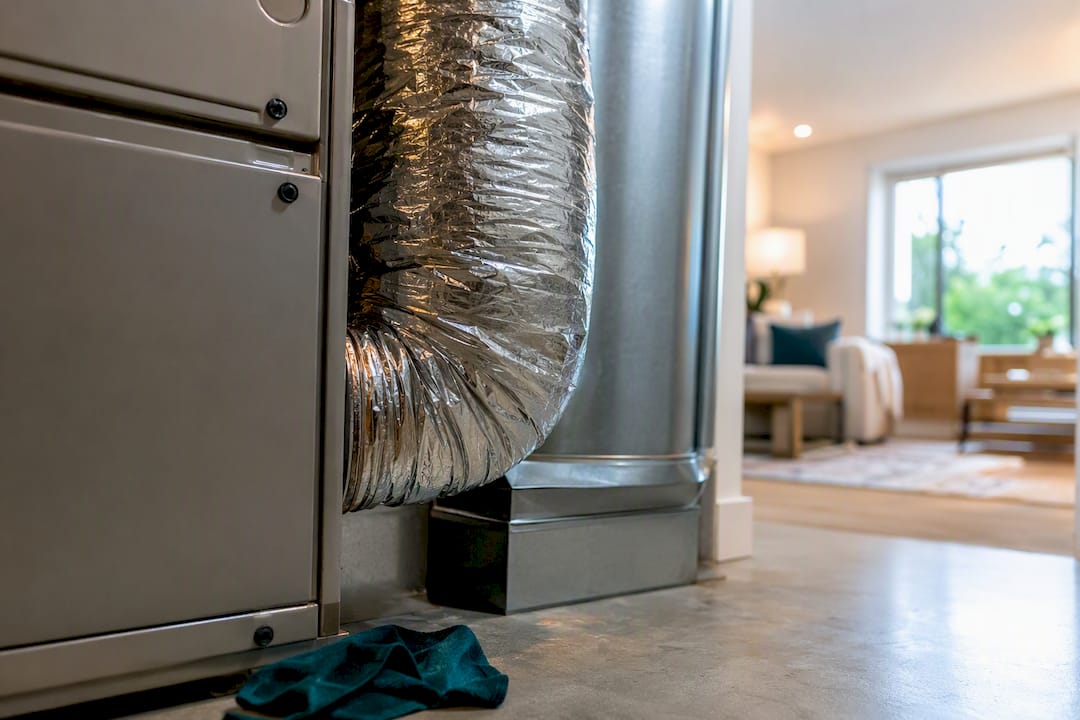
- indoor units are visible on the wall or floor, unless ducted
Air-to-water (air source heat pump)
- replaces a boiler as the main heating and hot water source
- works with radiators and underfloor heating, so heat feels like a conventional system
- nothing new on the walls of most rooms
- best suited to homes with reasonable insulation and appropriately sized emitters
- installation is more involved, often including a cylinder, radiator changes and controls
- generally designed for heating only, not cooling
Which is right for you?
Choose air-to-air if your main aim is comfort in specific rooms, you want cooling in summer, or you want to reduce how often your boiler runs in spring and autumn. Many of our customers in older homes use air conditioning to heat and cool the rooms they use most, while keeping their existing central heating as backup.
Choose air-to-water if you want to replace an oil, LPG or gas boiler with a low-carbon whole-house system for heating and hot water, and your home is suitable or can be made suitable.
Some homes use both: an air-to-water heat pump for the whole house and air-to-air units in rooms that also need cooling.
Regulations and practicalities
Both systems use refrigerant, so installation and servicing must be carried out by F-Gas certified engineers. In England, air source heat pumps at houses can often be installed under permitted development, subject to conditions on size, siting and noise and with restrictions in conservation areas and for listed buildings. Air conditioning units are not specifically covered by those rules, so if an outdoor unit will be prominent, check with your council. Our guide to planning permission has more.
Domestic installations of both are currently zero-rated for VAT, and we confirm this on each quote.
How we install each
For air-to-air systems, our own engineers handle everything from survey to commissioning. Air conditioning installations start from £1,300. For air-to-water heat pumps, our engineers install and commission the heat pump and refrigeration side, while our trusted plumbing partner carries out the water side, including the cylinder, radiators and pipework, so the whole system is designed together. Heat pumps are quoted after a full survey.
Find out more on our air source heat pumps and air conditioning installation pages, or see the homes we look after in Hadleigh.
Looking after either system
Both types benefit from regular servicing. Keeping outdoor units clear, filters clean and settings correct protects efficiency and reliability. Our servicing ranges from £179 to £389 depending on the system, and our Comfort Club covers routine care for £14.99 a month.
Book a free survey
Ready to talk about your property? Book a free survey and one of our engineers will assess your space and recommend the right system for it.