If your air conditioning is more than ten years old, noisy, struggling on hot days or costing more to run than it should, 2026 is a sensible year to think about an upgrade. Modern split systems are quieter, more efficient and far easier to control than the units many homes and offices still rely on. The rules around refrigerants have also moved on, which affects what can be fitted and how older systems are looked after. This guide explains what has changed, what an upgrade involves and how to decide whether to repair, improve or replace.
Why so many systems are due an upgrade
A lot of systems installed in the 2000s and early 2010s use R410A or even older refrigerants. Under the GB F-Gas Regulations, the amount of high global-warming-potential refrigerant that can be placed on the market is being reduced in stages, and some categories of new equipment can no longer use the highest-impact gases. That does not make an existing R410A system illegal to run, but it does mean refrigerant for older equipment is likely to become harder to source over time, and repairs that need a large re-gas may stop making financial sense.
At the same time, the technology has improved. Today’s inverter-driven systems vary their output rather than switching on and off, so they hold a steady temperature, use less electricity and are noticeably quieter. Most modern units also run in reverse as an efficient air-to-air heat pump, so the same system that cools a room in July can heat it in January.
Signs it is time to look at your options
- The system takes far longer than it used to to cool or warm the room.
- You have had more than one refrigerant leak or repeated faults.
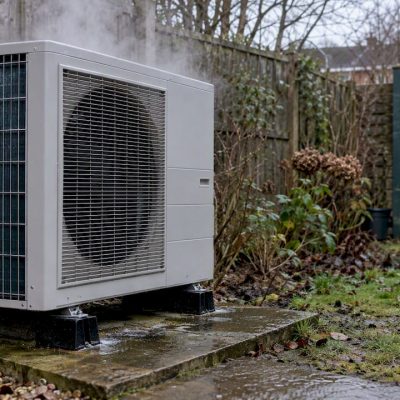
- The outdoor unit is noticeably louder, or vibrates.
- Parts are hard to find because the model has been discontinued.
- Your electricity use in summer seems out of proportion to the comfort you get.
- The controls are basic and you would like scheduling or app control.
None of these on its own means you need a new system. A proper service often restores performance, and we would always rather fix a sound system than replace it unnecessarily. But if two or three apply, it is worth getting an honest assessment.
Repair, upgrade or replace?
There are broadly three routes. A service and repair is the right answer when the system is sound and the problem is a dirty coil, a failed component or a blocked drain. A partial upgrade, such as new controls or better zoning, can work when the outdoor unit is in good health. Full replacement makes sense when the refrigerant, age and reliability of the system all point the same way.
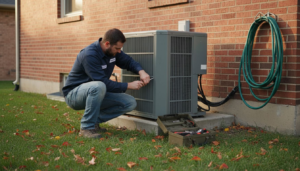
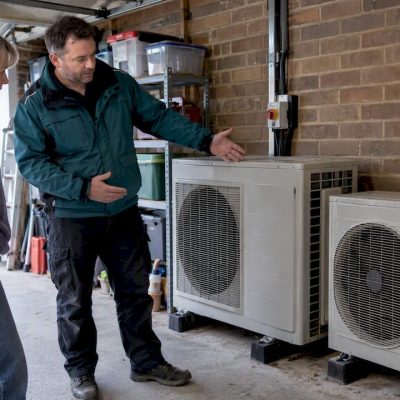
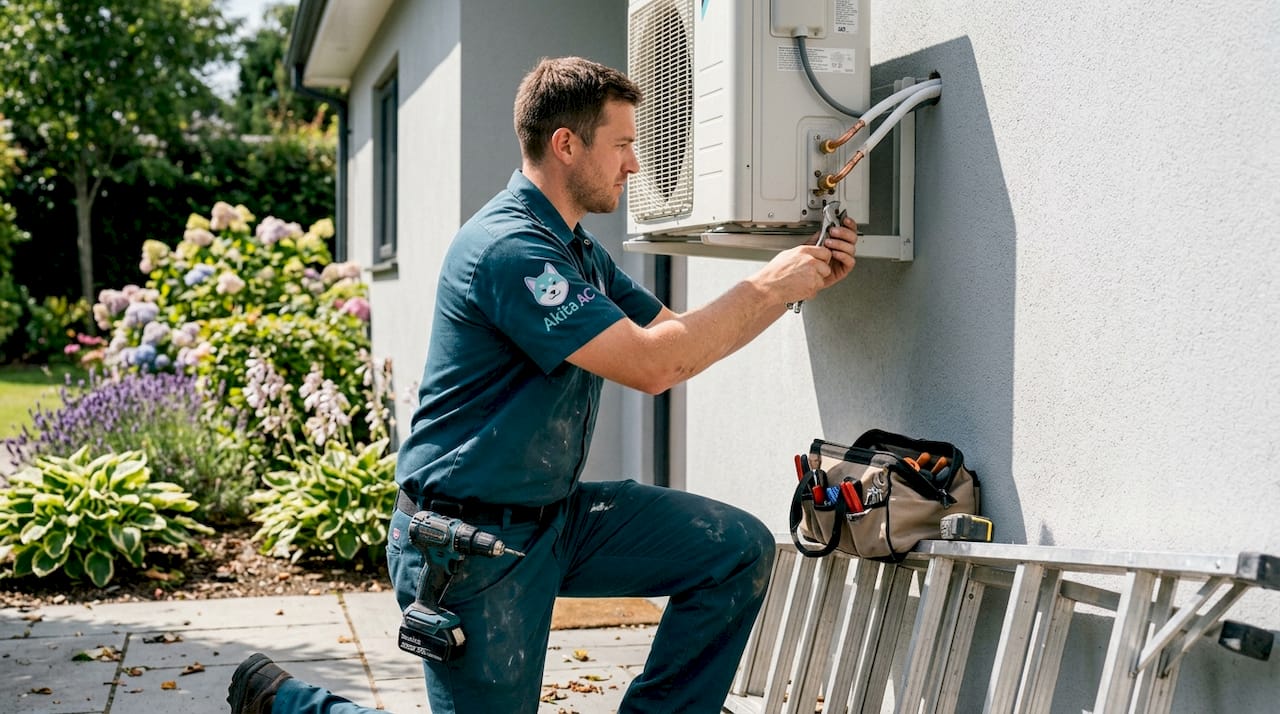
When we survey an existing system, our engineers look at the age and refrigerant type, the condition of the pipework and electrics, how the indoor units are sized for each room, and how the system is actually used day to day. Sometimes existing pipe runs can be reused after cleaning and pressure testing, which keeps disruption down; sometimes they cannot, and we will explain why.
What a modern system gives you
- Lower running costs. Inverter compressors and better heat exchangers mean more heating or cooling for each unit of electricity.
- Year-round use. Most systems now provide efficient heating as well as cooling, which can take the pressure off a boiler in spring and autumn.
- Quieter operation. Indoor units on low fan speed can be barely noticeable, which matters in bedrooms and offices.
- Better air. Improved filters capture dust and pollen, and dehumidifying modes help on muggy days.
- Smarter control. Wi-Fi adaptors and apps let you set schedules, adjust rooms remotely and see how the system is behaving.
Refrigerant choice
Most new split systems for homes and small offices now use R32. It has a much lower global warming potential than R410A and needs a smaller charge for the same output. R32 is still an HFC, so it is covered by the phase-down too, and the regulations will continue to evolve. What matters for you is that a system is installed, leak-tested and documented properly by F-Gas certified engineers, so it stays compliant and easy to maintain for its working life.
Regulations to keep in mind
For most homes, a like-for-like upgrade does not need planning permission, but it depends on where the outdoor unit goes, how big it is and whether your property is listed or in a conservation area. Air conditioning is treated differently from air source heat pumps in planning terms, so it is worth checking with your council if the outdoor unit will be visible from the street. Our guide to planning permission for air conditioning covers this in more detail.
New or replacement fixed systems should also meet the efficiency, controls and commissioning expectations in Part L of the Building Regulations. In practice that means a correctly sized system, sensible controls and proper commissioning records, which is how we install anyway. For larger commercial systems, remember the separate TM44 inspection requirement for systems over 12kW.
Costs and VAT
Every property is different, so we price after a survey rather than guessing. As a guide, our installations start from £1,300, and you can see how pricing works on our air conditioning prices page. Domestic air conditioning installations are currently zero-rated for VAT, and we confirm the VAT position clearly on every quote.
Once installed, regular servicing protects your investment. Our servicing runs from £179 to £389 depending on the system, or you can spread routine care through our Comfort Club at £14.99 a month.
Planning an upgrade around your home
Upgrading is usually quicker than people expect. A single-room system is often fitted in a day, with larger multi-room systems taking longer. We protect floors and furniture, route pipework as neatly as the building allows and leave the rooms as we found them. If you live in one of the older properties common around Lavenham and the Stour Valley, we will talk you through discreet options for indoor and outdoor unit positions.
Book a free survey
Ready to talk about your property? Book a free survey and one of our engineers will assess your space and recommend the right system for it.