TL;DR:
- Consistent scheduled maintenance, including filter changes and professional servicing, significantly extends air conditioning system lifespan. Proper airflow management and timely repairs prevent component wear and energy waste, saving costs and avoiding failure. Regularly inspecting and sealing the building envelope further reduces strain on the system, ensuring reliable operation for years to come.
How long does air conditioning last? A well-installed split system that is serviced every year is commonly expected to last around 10 to 15 years, and many keep running well beyond that. The biggest factors are how well it was sized and installed, how hard it works each year, and whether it gets an annual service. On systems we install, that annual service also keeps the manufacturer warranty of up to 5 years valid.
Extending your air conditioning system’s lifespan is primarily a function of consistent, scheduled maintenance rather than luck or equipment brand. The practical steps covered here, from filter changes and airflow management to bi-annual professional servicing, give homeowners and property managers in Suffolk and Essex a clear framework for protecting one of the most expensive assets in any property.
How to extend air conditioning lifespan through filter care and airflow
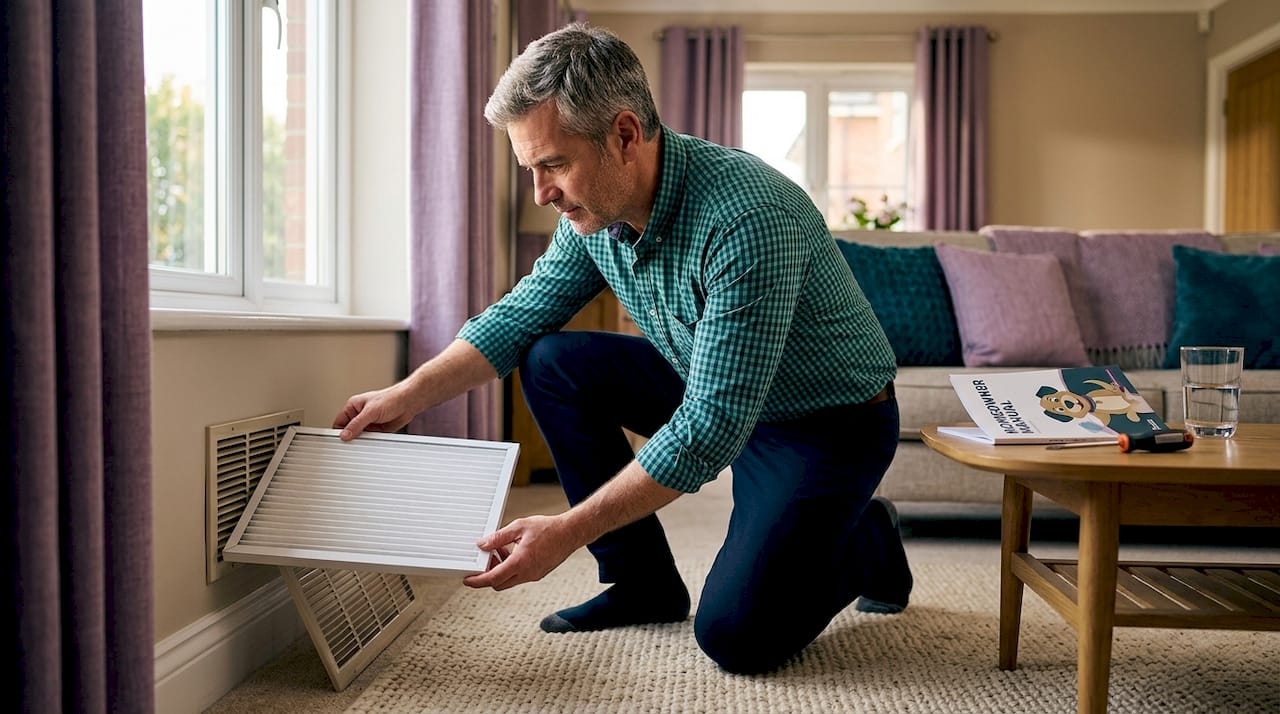
Filter condition is the single highest-leverage factor affecting how hard your air conditioning system works. A clogged filter forces the unit to draw air through a restricted medium, raising static pressure across the entire system and accelerating wear on the blower motor, heat exchanger, and coils. The fix is straightforward but frequently overlooked.
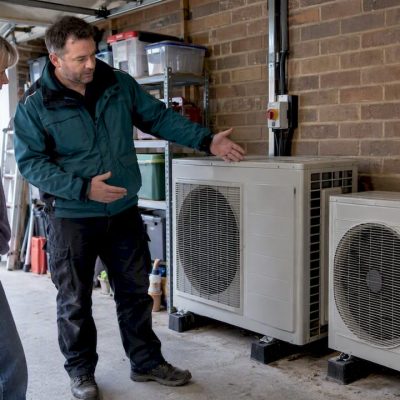
That 60 cm rule matters because outdoor coils need unrestricted airflow to transfer heat efficiently. Shrubs, fencing, or stored garden equipment placed too close create a warm air pocket around the unit, forcing it to work harder during peak summer demand.
CBS News advises monthly filter checks and replacement every one to three months, with more frequent changes for households with pets or allergy sufferers. This is not overcaution. Pet dander and fine particulates load a filter far faster than a standard household environment, and a saturated filter can reduce airflow by 30 to 50 percent within weeks.
Indoor vents and return air grilles deserve equal attention. Furniture pushed against a return vent, or a vent blocked by a rug, creates the same restriction as a dirty filter. The system compensates by running longer cycles, which compounds wear across every moving component.
- Check filters monthly and replace every one to three months, or sooner if visibly grey
- Keep outdoor units clear of vegetation, garden tools, and stored items within a 60 cm radius
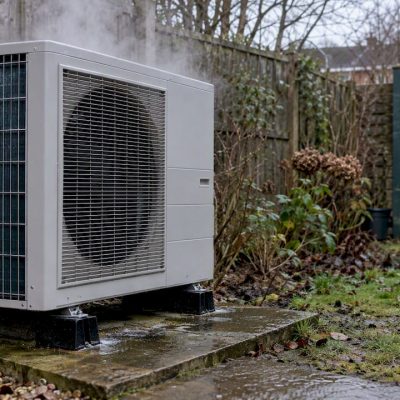
- Clear snow from heat pump outdoor units promptly, as blocked outdoor units reduce heat exchange efficiency
- Confirm all indoor vents and return grilles are fully open and unobstructed
- Vacuum vent covers twice yearly to remove dust build-up that restricts airflow
Pro Tip: If you have a property with multiple zones or a large duct network, walk the building each season and physically check every vent. It takes ten minutes and catches blockages that no thermostat reading will reveal.
What professional maintenance routines increase air conditioning durability?
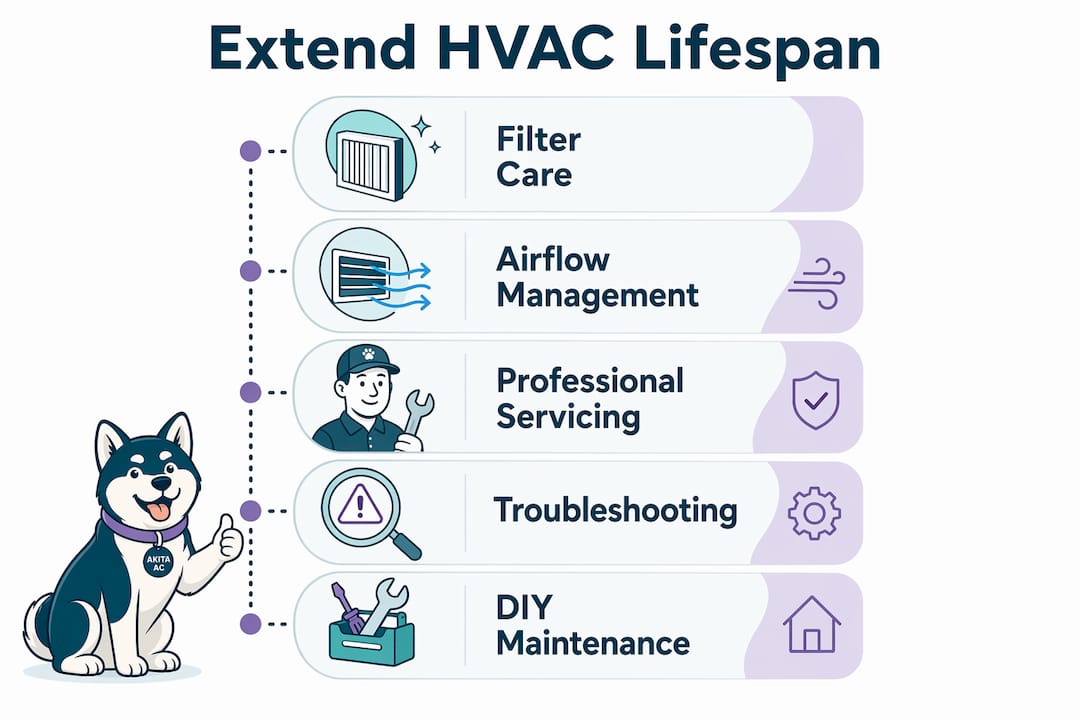
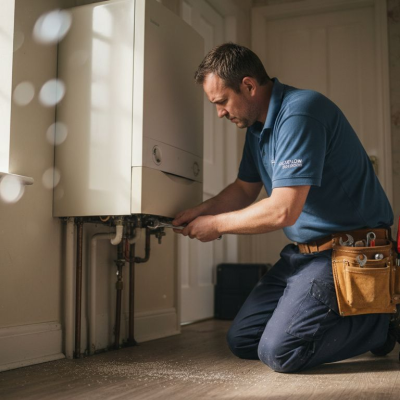
Bi-annual professional servicing is the single most impactful scheduled action you can take to prolong air conditioning unit life. Regular servicing adds 3 to 7 years to system lifespan and can reduce energy consumption by 10 to 30 percent. Those are not marginal gains. For a system that costs several thousand pounds to replace, that translates directly into deferred capital expenditure.
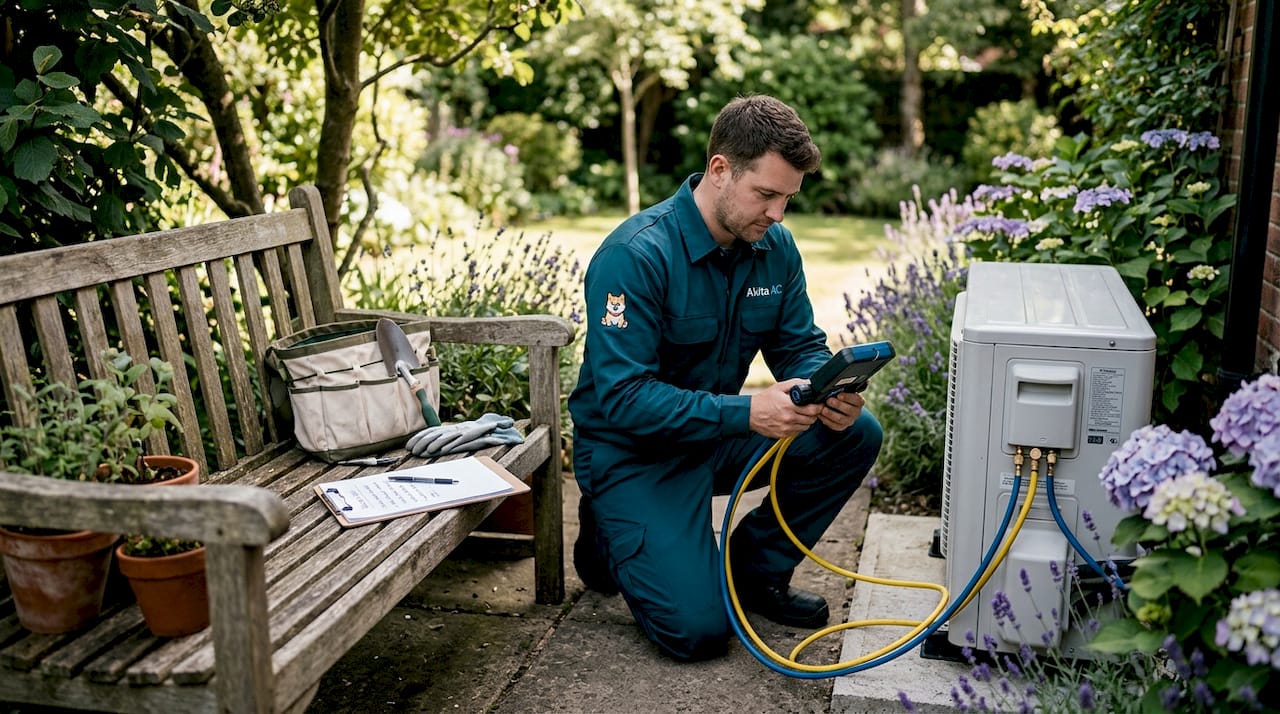
Heat pumps, which run year-round, require servicing twice yearly without exception. Each visit should cover a defined set of tasks that a qualified engineer completes systematically.
A professional spring service for air conditioning typically includes:
- Checking and topping up refrigerant levels if required
- Cleaning evaporator and condenser coils to restore heat transfer efficiency
- Inspecting and clearing the condensate drain to prevent blockages and microbial growth
- Testing electrical connections, capacitors, and contactors for wear
- Measuring airflow across the coil and comparing against manufacturer specification
- Calibrating the thermostat and testing all safety controls
An autumn service on a heat pump focuses on heating performance, the defrost cycle and the condition of the outdoor coil. The key principle is the same: a professional identifies minor issues, a worn capacitor, a slightly low refrigerant charge, a partially blocked drain, before they become component failures.
Pro Tip: Book your spring service in February or March, before the first warm spell. Engineers’ diaries fill quickly once temperatures rise, and scheduling before peak season means you choose the appointment time rather than accepting whatever slot remains.
How do common air conditioning problems reduce system longevity?
The most common air conditioning problems share a root cause: gradual efficiency loss that goes unaddressed until it becomes a failure. Dirty coils, worn parts, and poor calibration increase monthly energy bills and place sustained stress on components that were designed to operate within specific load parameters. Understanding these problems helps you spot them early.
Dirty evaporator and condenser coils are the most widespread issue in systems that receive infrequent servicing. A thin layer of dust on a coil surface acts as insulation, reducing the rate of heat transfer and forcing the compressor to run longer to achieve the same temperature change. Over a full cooling season, this compounds into significant compressor wear.
Blocked or leaking ductwork raises system static pressure, which has the same effect as a clogged filter. Airflow constraints from blocked vents and dirty coils increase static pressure, causing accelerated wear and energy waste. In older properties with flexible ductwork, sections can collapse or disconnect entirely, sending conditioned air into wall cavities rather than living spaces.
Drafty windows, unsealed loft hatches, and gaps around pipework penetrations force the air conditioning system to condition air that immediately escapes the building envelope. The system never reaches the set temperature, so it runs continuously. This is one of the most underestimated contributors to premature system wear, and it costs nothing to address with draught-proofing tape and expanding foam.
- Inspect ductwork annually for disconnected joints, collapsed sections, or visible gaps
- Seal window and door frames with draught-proofing strips to reduce the heating and cooling load
- Check the condensate drain line each spring, as blockages cause water damage and system shutdowns
- Listen for unusual sounds such as rattling, grinding, or high-pitched squealing, which signal worn bearings or loose components
- Monitor your energy bills month on month. A sudden increase without a change in usage pattern is a reliable early warning sign
For a broader view of how household maintenance connects to air conditioning performance, the annual home maintenance checklist from Fenelon Handyman Services offers a useful month-by-month framework that integrates air conditioning tasks with wider property upkeep.
What tools and tips help with effective DIY air conditioning maintenance?
Effective DIY maintenance does not require specialist equipment. The tools that cover the majority of homeowner tasks are inexpensive and widely available. What matters more than the tools is the discipline to use them on a consistent schedule.
| Task | Tool or material needed | Recommended frequency |
|---|---|---|
| Filter replacement | Replacement filter (correct ISO 16890 rating for your system) | Every 1 to 3 months |
| Outdoor unit clearance | Garden shears, brush, or vacuum | Monthly during growing season |
| Vent and grille cleaning | Vacuum with brush attachment, damp cloth | Every 3 months |
| Condensate drain flush | Distilled white vinegar, funnel | Every 6 months |
| Coil surface inspection | Torch, coil cleaner spray | Annually, before professional service |
One advanced technique worth adopting from commercial air conditioning practice is pressure differential monitoring. Rather than replacing filters on a fixed calendar schedule, filter replacement guided by pressure drop exceeding 1 cm of water gauge above the clean baseline gives a more accurate picture of actual filter loading. In practice, this means a simple differential pressure gauge fitted across the filter housing.
The Akita residential air conditioning maintenance checklist covers the seven key tasks in sequence, with guidance on timing and frequency that translates directly into a repeatable annual routine.
Pro Tip: Set a recurring calendar reminder on the first day of each month to check your filter. Pair it with a task you already do, such as checking smoke alarm batteries, and it becomes automatic rather than something you remember only when the system starts struggling.
How to troubleshoot and avoid common air conditioning maintenance mistakes
The most damaging mistake homeowners make is treating air conditioning maintenance as reactive rather than scheduled. A system that appears to be working is not necessarily working efficiently, and the gap between adequate and optimal performance is where lifespan is lost.
“The best time to service your air conditioning system is before you need it.
Recognising the early signs of inefficient operation protects both the system and your budget:
- Uneven heating or cooling across rooms suggests blocked ducts, a failing zone valve, or an undersized system running beyond its design capacity
- Higher energy bills without a change in usage pattern point to dirty coils, low refrigerant, or a failing compressor
- Short cycling, where the system switches on and off rapidly, indicates a refrigerant issue, an oversized unit, or a failing thermostat
- Excess humidity indoors during summer suggests the evaporator coil is not dehumidifying effectively, often due to low refrigerant or a dirty coil surface
- Unusual odours, particularly musty smells, indicate microbial growth in the condensate system or ductwork
Delaying a scheduled service by even one season creates a compounding problem. A minor refrigerant undercharge identified in spring costs a fraction of the compressor replacement it causes if left through a full summer of operation. The Air conditioning maintenance and energy savings relationship is direct: systems that receive consistent care consume less energy and fail less often.
Key takeaways
Consistent filter maintenance, bi-annual professional servicing, and proactive airflow management are the three practices that most reliably extend air conditioning lifespan and reduce operating costs.
| Point | Details |
|---|---|
| Filter replacement frequency | Replace filters every one to three months to prevent strain and efficiency loss. |
| Bi-annual professional servicing | Spring and autumn services add 3 to 7 years to system lifespan and cut energy use by up to 30 percent. |
| Outdoor unit clearance | Maintain 60 cm of clearance and clear snow promptly to protect heat exchange efficiency. |
| Early problem recognition | Monitor energy bills and listen for unusual sounds to catch issues before they become failures. |
| Seal the building envelope | Draught-proofing windows and doors reduces air conditioning workload and prevents premature wear. |
What we have learned from years of air conditioning maintenance in Suffolk
The homeowners who get the longest life from their systems share one habit: they treat air conditioning servicing like a car service. They book it before they need it, they do not skip it when the system seems fine, and they act on the engineer’s recommendations rather than deferring them to next year.
What surprises most people we work with is how much of the damage we see is self-inflicted, not through negligence but through a lack of information. Furniture blocking return vents, filters left unchanged for two years, outdoor units buried under overgrown hedging. None of these are deliberate choices. They are simply things that fall outside the average homeowner’s awareness until something goes wrong.
The other pattern we observe consistently is the cost of timing. Booking in February feels unnecessary when it is cold outside. By August, it feels obvious.
Our honest advice is this: set up a bi-annual reminder, book with a qualified engineer before the season changes, and do the filter checks yourself in between. That combination covers the vast majority of what determines how long your system lasts.
Akita
Let Akita protect your air conditioning investment
FAQ
How often should air conditioning filters be changed?
Change air conditioning filters every one to three months as a baseline. Households with pets, allergy sufferers, or high dust loads should check filters monthly and replace them as soon as they appear visibly grey or loaded.
What does bi-annual air conditioning servicing include?
A professional spring service covers refrigerant levels, coil cleaning, condensate drain inspection, electrical component testing, and airflow measurement. An autumn service focuses on heating components, heat exchanger integrity, and safety controls.
How many years can regular maintenance add to an air conditioning system?
Routine servicing adds 3 to 7 years to system lifespan. Well-maintained systems can operate reliably for 20 to 30 years, compared to under a decade for neglected units.
When is the best time to book an air conditioning service?
Book your cooling system service in late winter or early spring, before the first warm spell.
Can household draught-proofing genuinely extend air conditioning lifespan?
Yes. Sealing gaps around windows, doors, and pipe penetrations reduces the heating and cooling load on the system, which means shorter run cycles and less wear on the compressor and blower motor over time.
If the checks above don’t sort it, our F-gas certified engineers can find the fault. Akita is REFCOM registered (REF1023379) and works across Suffolk and Essex, and an annual service keeps the manufacturer warranty of up to 5 years valid on systems we install. If it is time for a replacement, book a free survey.
Recommended
Speak to Akita Air Conditioning
Find out more about our air conditioning servicing, or see how we work with homes and businesses in Suffolk and the surrounding area.
Ready to talk about your property? Book a free survey and one of our engineers will assess your space and recommend the right system for it.