A Commercial HVAC Maintenance Workflow That Works

Learn the complete commercial HVAC maintenance workflow that cuts energy costs 10-40% whilst ensuring UK F-Gas and TM44 compliance for Suffolk, Norfolk, Essex businesses.
What Is Split System Air Conditioning?
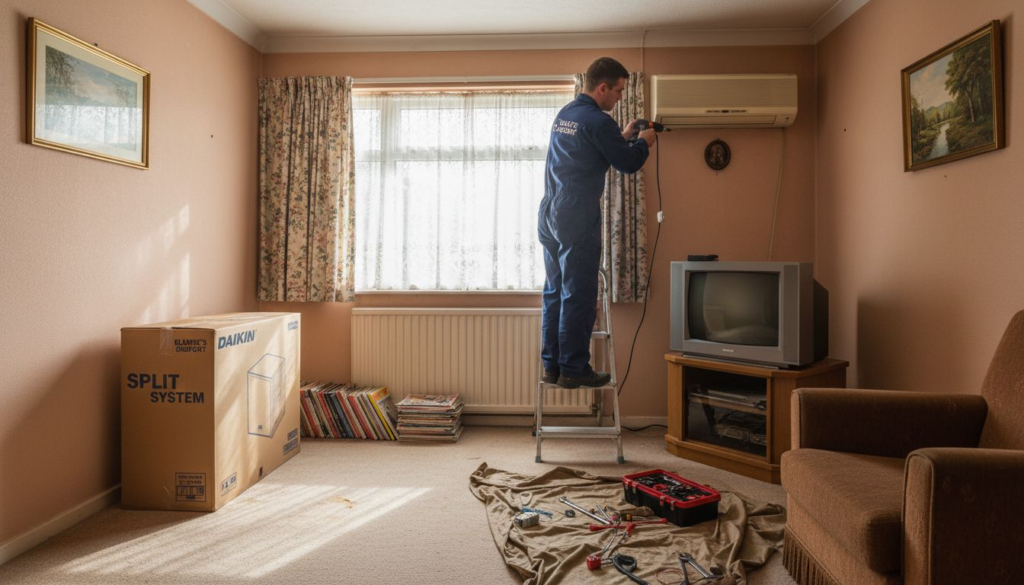
Discover how split system air conditioning delivers efficient heating and cooling for UK homes. Learn benefits, costs, and maintenance tips for East Anglia homeowners.
How Regular HVAC Maintenance Saves Energy
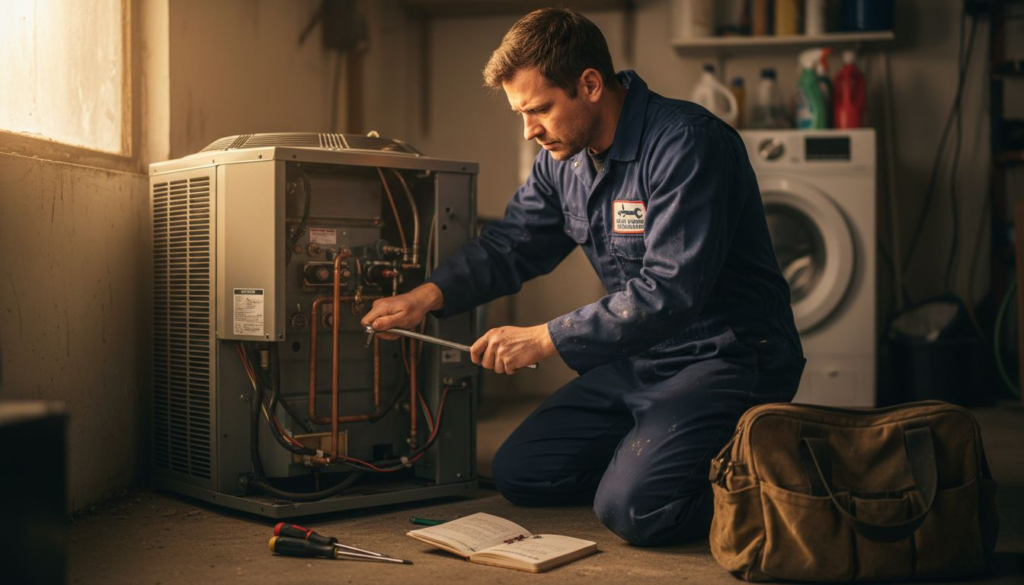
Discover how regular HVAC maintenance boosts efficiency by 15%, extends system life by 20-30%, and cuts energy costs for Suffolk, Norfolk, and Essex properties.
HVAC Servicing Best Practices 2026: Save 15% Energy Costs
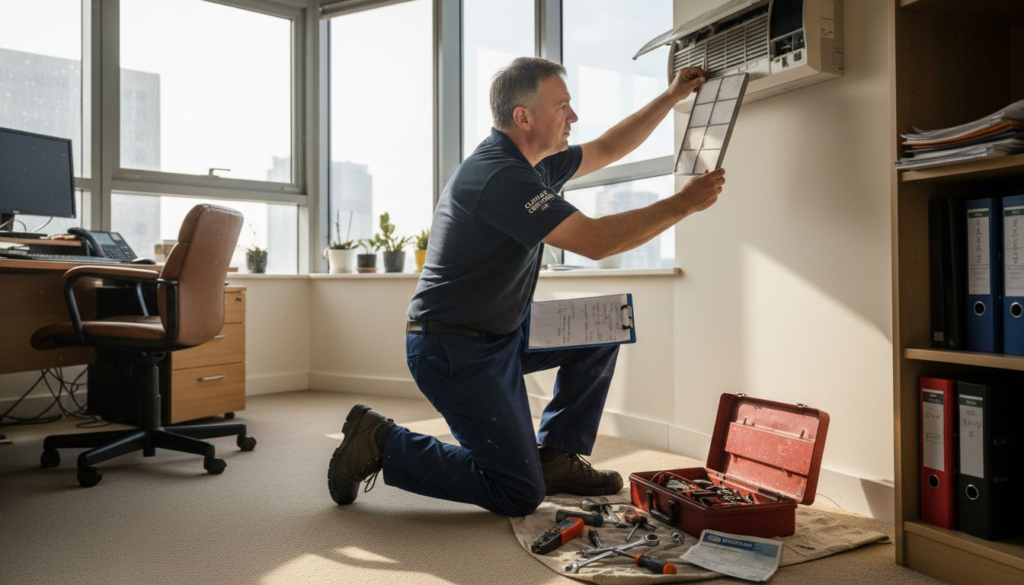
Discover expert HVAC servicing best practices for Suffolk, Norfolk, and Essex. Learn how to save 15% on energy costs with maintenance, smart controls, and eco-friendly upgrades.
Air Conditioning Installation in Suffolk & Essex

Learn how to install energy-efficient air conditioning in Suffolk and Essex. Expert guide covers costs, regulations, system selection, and how to save up to 30% on installation.
UK AC Maintenance Guide 2026: Cut Energy Use by 20%
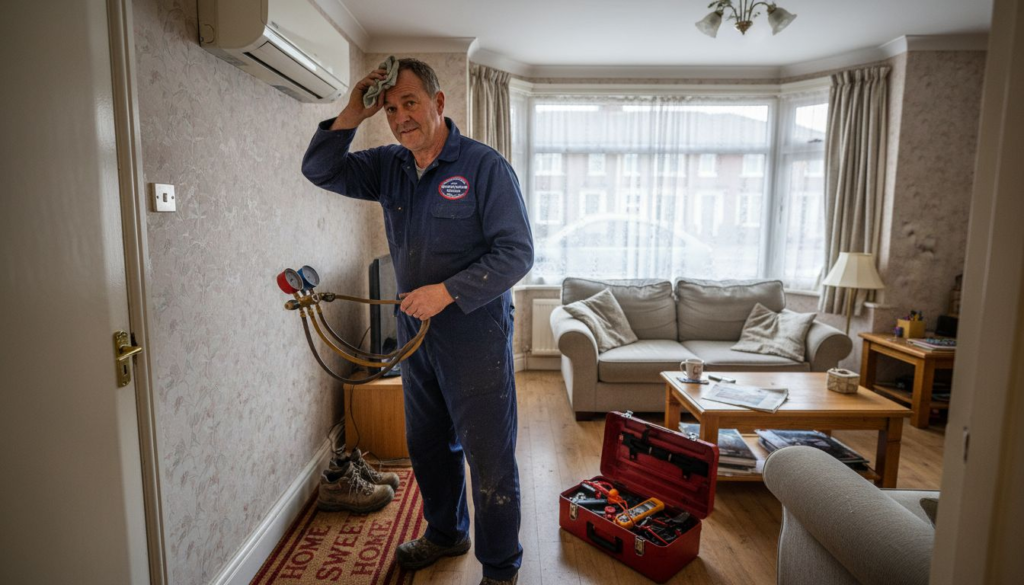
Discover how regular AC maintenance cuts energy use by 20% in UK homes. Learn compliance requirements, cost savings, and practical tips for Suffolk, Norfolk, and Essex properties.
Office AC Installation Guide: Save Up to 40% on Costs

Complete guide to installing energy-efficient office air conditioning in Suffolk, Norfolk, and Essex. Learn compliance requirements, avoid costly mistakes, and save up to 40% on operating costs.
Why Choose Energy Saving Aircon for UK Homes

Energy saving aircon reduces electricity bills, improves comfort, and supports sustainability. Learn how smart systems work and potential long-term savings.
Why Routine Air Conditioning Maintenance Matters Most
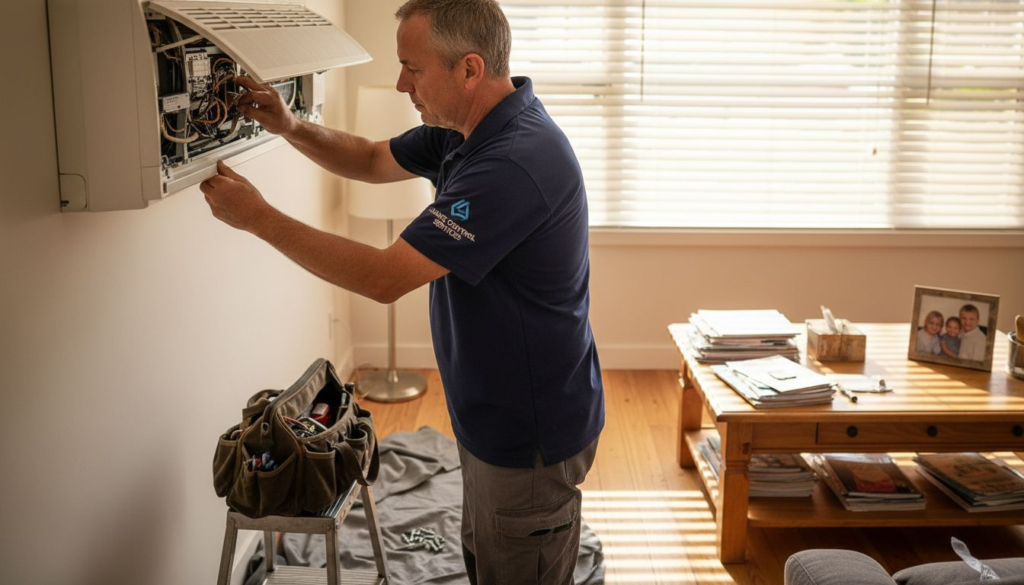
Discover why routine air conditioning maintenance boosts efficiency, extends lifespan, and improves air quality for Suffolk, Norfolk, and Essex homes.
Why Upgrade HVAC Systems – Greater Comfort, Lower Costs
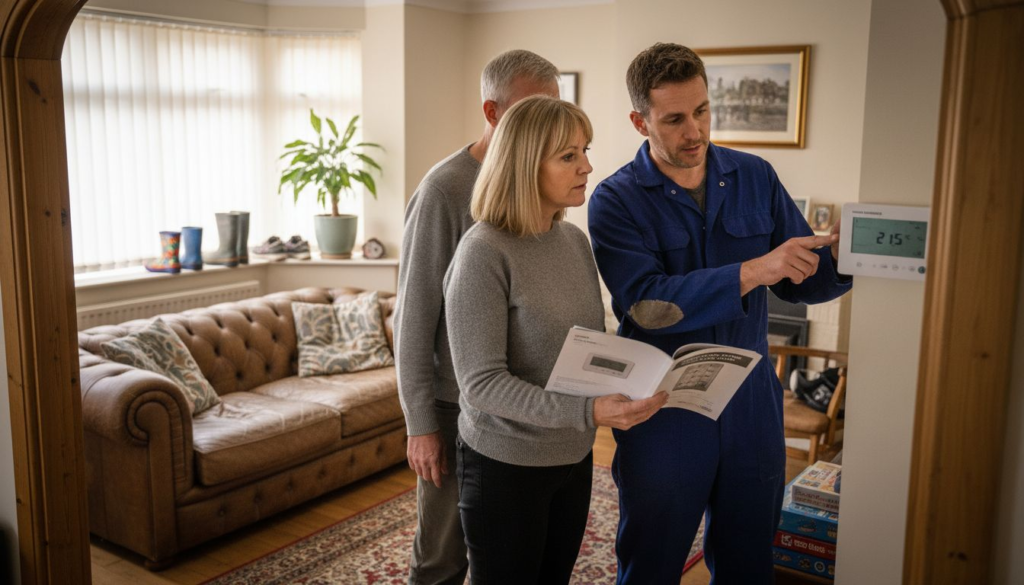
Old heating and cooling systems can leave homes in Suffolk and north Essex feeling draughty and expensive to run. As energy bills rise and comfort becomes a real concern, more homeowners are turning to energy-efficient HVAC upgrades that modernise their living spaces. With national focus on initiatives like the Warm Homes Plan, upgrading your system helps your property stay warm, reduces costs, and prepares you for future government support. Table of Contents Defining HVAC System Upgrades in UK Homes Modern System Types and Smart Controls Explained Energy Efficiency, Environmental Impact, and Savings Common Pitfalls and Choosing the Right Solution Key Takeaways Point Details System Upgrades Improve Efficiency Upgrading HVAC systems enhances comfort and energy efficiency, often aligning with government initiatives for lower carbon emissions. Smart Controls Enhance Management Integrating smart controls can lead to energy savings of 10-15% by automating heating and cooling based on your lifestyle. Professional Assessment Recommended Conducting a professional system assessment helps identify the most cost-effective upgrades and prevents unnecessary expenditures. Defining HVAC System Upgrades in UK Homes An HVAC system upgrade involves replacing or enhancing your home’s heating, ventilation, and air conditioning equipment to improve comfort and energy efficiency. Unlike basic repairs, upgrades modernise entire systems or key components to meet current performance standards. In the UK context, system upgrades align with government initiatives like the Warm Homes Plan, which focuses on transforming older homes into comfortable, low-carbon properties through modern heating technologies including heat pumps and improved ventilation. What Counts as an Upgrade? Not every repair qualifies as an upgrade. Here’s how to distinguish between them: Repairs fix broken parts or restore current performance to original levels Upgrades replace outdated equipment with newer, more efficient alternatives Replacements install entirely new systems when existing ones reach end of life Enhancements add new features like smart controls or zoning capabilities Your old boiler struggling to heat the bedroom? That’s a repair job. Swapping that boiler for a modern heat pump system? That’s an upgrade. Types of HVAC Upgrades for UK Homes Several upgrade pathways exist depending on your current setup and goals: Modernising components improves thermal comfort and energy efficiency whilst reducing your carbon footprint. You might upgrade just your boiler, add mechanical ventilation with heat recovery, or install a complete heat pump system. Smart controls represent another upgrade category. Adding thermostats, automated scheduling, or app-based management transforms how you interact with your heating and cooling without replacing physical equipment. Ventilation upgrades address indoor air quality issues. Many homes in Suffolk and north Essex lack proper air circulation. Installing extraction fans, heat recovery ventilation, or ducting systems brings fresh air whilst retaining warmth. Modern HVAC upgrades deliver measurable benefits: lower energy bills, improved comfort, and reduced environmental impact—all whilst maintaining or improving indoor air quality. Why Now Is the Right Time Older systems consume significantly more energy than modern alternatives. A boiler from the 1990s operates at roughly 78% efficiency; modern condensing boilers reach 92% or higher. That difference translates directly to your heating bills. Your current system’s age matters too. Equipment lasting 15–20 years eventually fails. Pro tip: Get a professional system assessment before committing to upgrades—specialists can identify which components need replacing versus which merely need servicing, potentially saving thousands on unnecessary replacements. Modern System Types and Smart Controls Explained Modern HVAC systems have evolved far beyond traditional boilers and radiators. Today’s options offer precision climate control, lower running costs, and integration with your home’s digital ecosystem. Understanding your choices helps you pick the right fit for your Suffolk, Norfolk, or Essex property. The shift toward efficient systems reflects UK government priorities and homeowner demand for better comfort with lower carbon emissions. Let’s explore what’s actually available and how smart controls transform the way you manage your home’s climate. Heat Pumps: The Modern Alternative Heat pumps represent the most significant innovation in residential heating. Instead of burning fuel, they extract warmth from the air, ground, or water and move it indoors—even in cold weather. This process uses far less energy than traditional boilers. Air source heat pumps draw warmth from outside air and work well in most UK homes. Ground source heat pumps tap into soil temperature, offering higher efficiency but requiring more space. Both types integrate seamlessly with underfloor heating or radiators. Heat pumps deliver approximately 3-4 units of heat for every 1 unit of electricity consumed. Compare that to a boiler’s 90% efficiency, and the advantage becomes clear: you’re not generating heat—you’re relocating it. Variable Refrigerant Flow (VRF) Systems VRF systems allow multiple indoor units to operate independently from a single outdoor unit. This means you heat the lounge whilst cooling the bedroom without wasting energy. Whilst traditionally used in commercial buildings, residential VRF installations are expanding across the UK. They’re particularly suited to larger homes or those with diverse heating and cooling demands across different rooms. Smart Controls Transform Your System Direct digital controls use sensors and programmable logic to regulate temperature automatically. Your system learns your routines and adjusts heating or cooling before you even notice a change. Modern smart thermostats offer: Remote access via smartphone or tablet Predictive heating based on weather forecasts Room-by-room temperature control (zoning) Integration with voice assistants Detailed energy consumption reports Automated scheduling tailored to your lifestyle These controls achieve energy savings of 10-15% compared to manual systems, simply by eliminating waste when nobody’s home or asleep. Smart controls don’t just save energy—they deliver comfort exactly when and where you need it, adapting to your daily patterns automatically. Building Automation Systems (BAS) For homes with multiple systems—heating, cooling, ventilation, lighting—BAS integrates everything into one platform. Your entire home becomes responsive, coordinating systems to maximise efficiency and comfort simultaneously. BAS systems provide centralised monitoring, meaning specialists can diagnose issues remotely before they become problems. This reduces maintenance costs and extends equipment lifespan. Pro tip: Start with a smart thermostat before committing to full system replacement—this reveals your actual heating patterns and helps engineers recommend the most cost-effective upgrade for your home. Energy Efficiency, Environmental Impact,